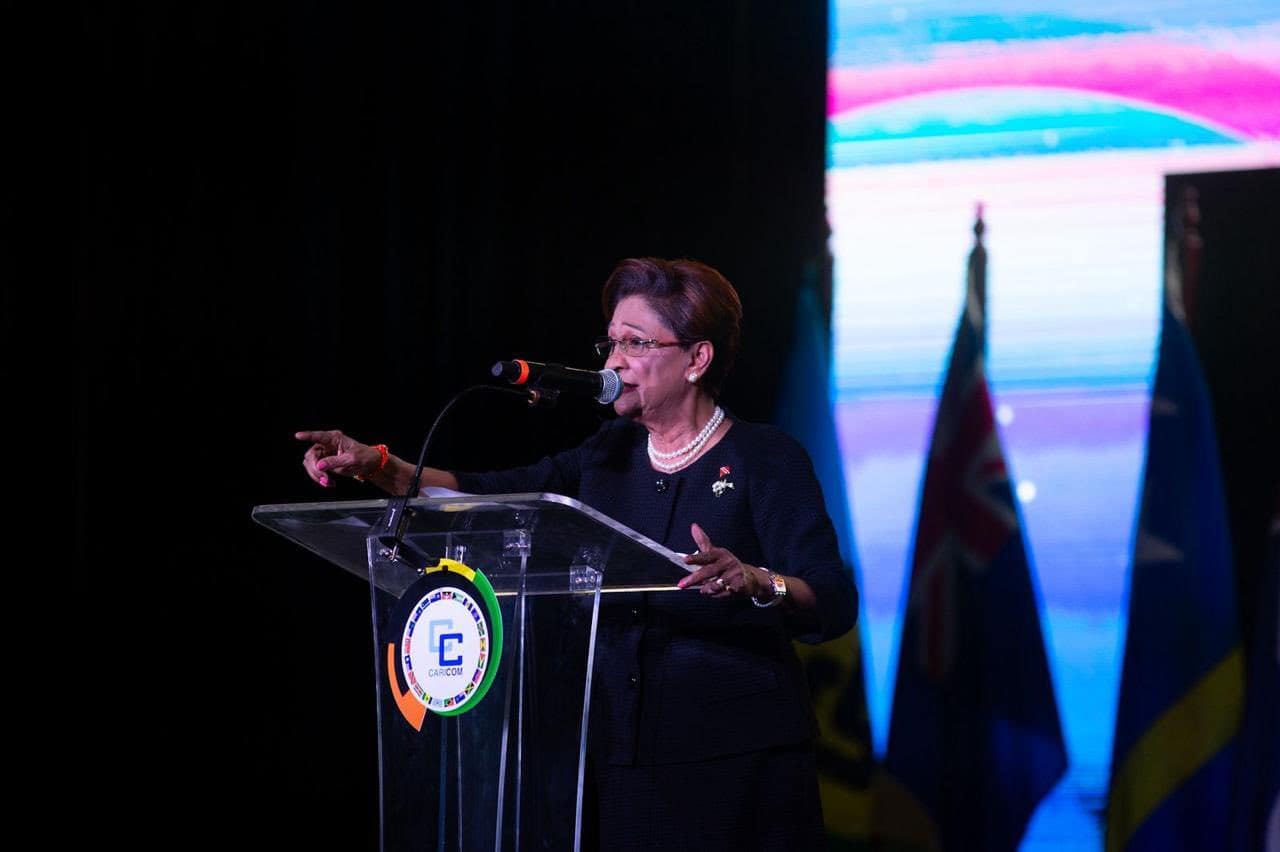
In a striking departure from regional consensus, Trinidad and Tobago’s Prime Minister Keith Rowley has publicly reinforced his nation’s strategic partnership with the United States while delivering pointed criticism toward CARICOM members regarding their positions on Venezuela and Cuba. The political leader’s defiant stance, captured in a viral video clip where he exclaimed “Who Vex Loss!” (a local expression meaning those who are upset will lose), signals a significant fracture within the Caribbean community’s traditionally unified diplomatic front.
The Prime Minister’s comments emerge amid escalating geopolitical tensions in the Caribbean basin, where Venezuela’s contested elections and ongoing political crisis have created diplomatic divisions throughout the Western Hemisphere. While many CARICOM members have maintained a more neutral or critical stance toward U.S. sanctions and policies regarding Venezuela, Trinidad has notably broken ranks to pursue closer alignment with Washington.
Rowley justified his position by emphasizing Trinidad and Tobago’s national interests, particularly regarding energy security and economic cooperation with the United States. His administration has argued that maintaining strong relations with the U.S. provides substantial benefits for the twin-island nation, including investment opportunities and security cooperation that might otherwise be jeopardized by adopting positions contrary to American foreign policy objectives.
The Prime Minister’s criticism specifically targeted CARICOM’s collective approach to Venezuela, suggesting that some member states prioritize ideological alignment over practical national interests. This unusual public rebuke of regional allies highlights the challenging balancing act Caribbean nations face as they navigate complex international relations between global powers and neighboring states.
Analysts suggest Trinidad’s position is particularly influenced by its maritime border with Venezuela and shared energy resources in the Gulf of Paria, creating unique economic and security considerations that differ from other Caribbean nations. The government’s stance has sparked domestic debate, with opposition figures and regional analysts questioning whether Trinidad’s alignment might undermine Caribbean unity and the region’s collective bargaining power on the international stage.