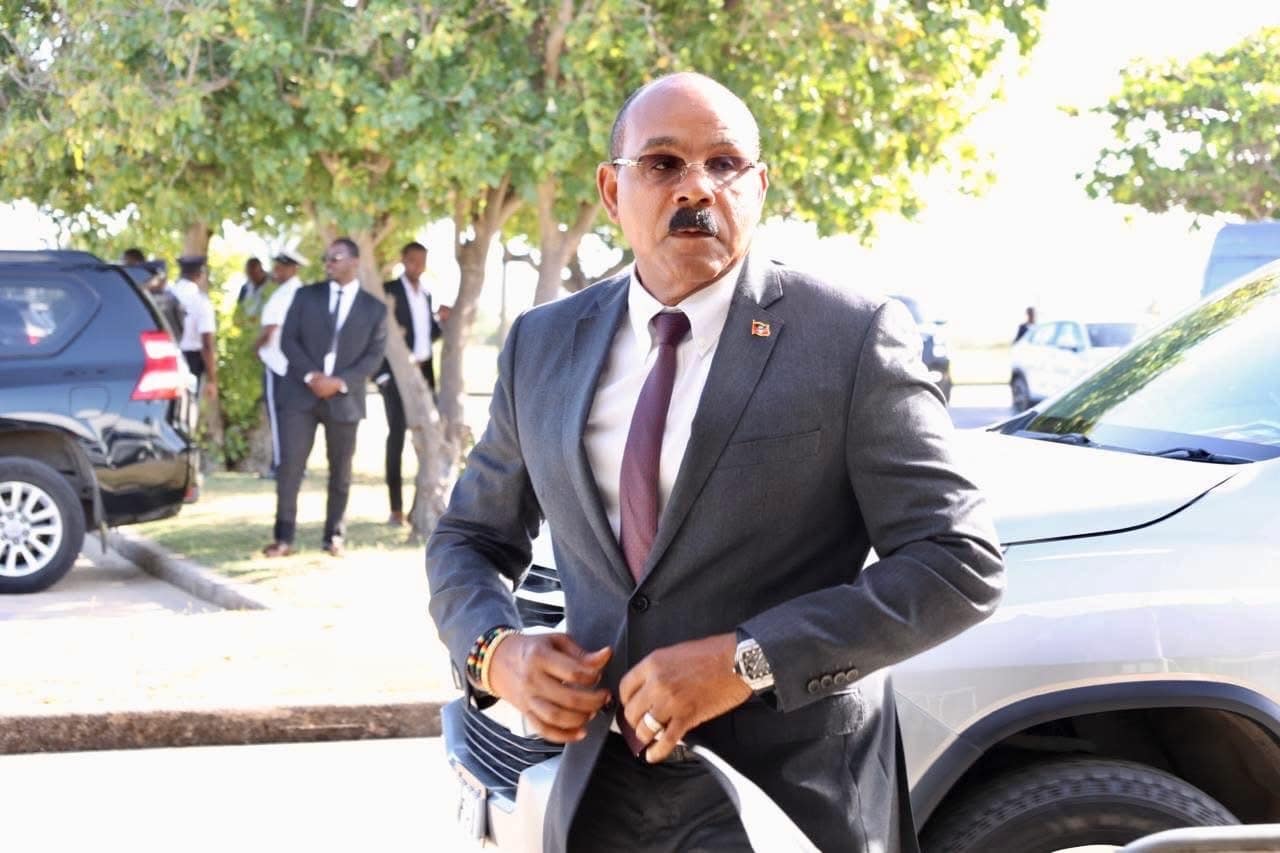
BASSETERRE, Saint Kitts and Nevis – Caribbean leaders gathered for a landmark regional summit this week, marking the 50th Regular Meeting of the CARICOM Conference of Heads of Government from February 24-27, 2026. The high-level assembly, chaired by Saint Kitts and Nevis Prime Minister Dr. Terrance Drew, brings together regional dignitaries including Antigua and Barbuda’s Prime Minister Gaston Browne and his delegation.
Prime Minister Browne’s contingent features Dr. Clarence Henry, Antigua and Barbuda’s Ambassador to CARICOM, alongside Senior Foreign Service Officer Kurt Williams. The conference occurs during a period of significant regional importance, with leaders addressing pressing economic, security, and geopolitical concerns affecting member states.
The Haitian crisis dominates summit discussions as the nation enters a critical governance phase. CARICOM leaders are receiving comprehensive briefings on stabilization efforts, including the implementation of a sustainable transitional governance framework. The Eminent Persons Group’s diplomatic initiatives to foster consensus among Haitian stakeholders feature prominently in deliberations. Security considerations, particularly the deployment of the UN-authorized Gang Suppression Force, form a crucial component of the strategy to restore order and create conditions conducive to credible elections.
Beyond immediate security concerns, the conference agenda encompasses broader regional development initiatives. Dr. George Elombi, President and Chairman of Afreximbank, is engaging with leaders to strengthen CARICOM-Africa partnerships. These discussions aim to enhance trade relationships, accelerate investment flows, and improve access to development financing mechanisms following the Second CARICOM-Africa Summit.
Additional priority areas include advancing the CARICOM Single Market and Economy (CSME) framework, addressing climate change financing challenges, improving regional transportation infrastructure, ensuring food security, managing external trade relations, pursuing reparations dialogues, and reforming the Community’s governance and financial architecture.