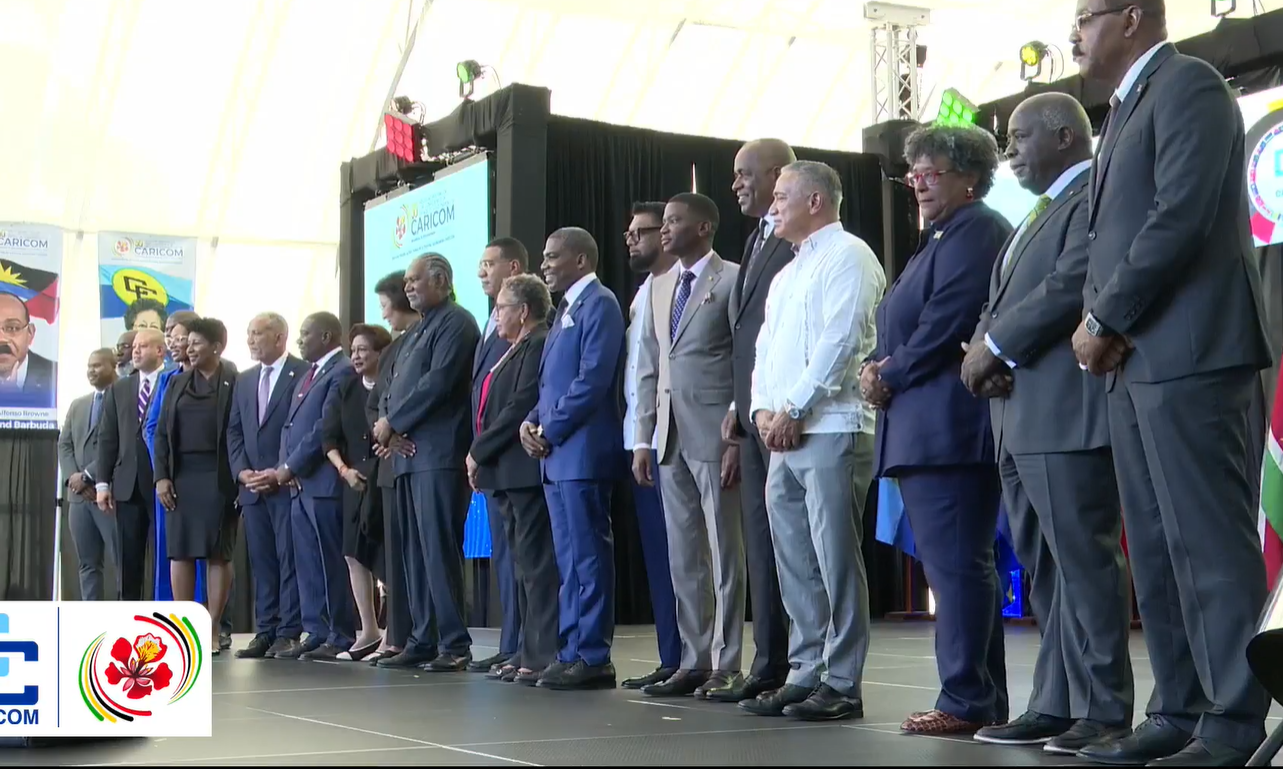
Caribbean Community (CARICOM) leaders have positioned the regional bloc as a potential diplomatic bridge between the United States and Cuba while urgently calling for humanitarian assistance to alleviate the island’s escalating crisis. The appeals were made during the opening session of the CARICOM mid-term summit in St. Kitts on January 24, 2026.
Jamaican Prime Minister Andrew Holness, former CARICOM chairman, emphasized the critical need for “responsible statecraft rather than rhetoric” in addressing Cuba’s severe economic hardships, energy shortages, and growing humanitarian strain. While acknowledging Jamaica’s status as a moderate U.S. ally, Holness asserted that “space exists, perhaps more than in years past, for pragmatic engagement that protects the Cuban people from further deterioration.”
Current CARICOM Chairman Dr. Terrance Drew, Prime Minister of St. Kitts and Nevis, echoed these sentiments, highlighting the community’s potential role as “a conduit to ensure communication and dialogue between the forces that be.” Drawing from his personal experience as a former student in Cuba, Drew expressed profound concern about the distressing messages he receives from Cuban contacts describing food shortages, electricity outages, and garbage accumulation.
Both leaders issued stark warnings about regional implications, with Holness cautioning that “a prolonged crisis in Cuba will not remain confined to Cuba” but would inevitably affect “migration, security, and economic stability across the Caribbean basin.” Drew reinforced this assessment, noting that a destabilized Cuba with its 9-12 million population would inevitably impact CARICOM nations whose combined population remains under 10 million.
The humanitarian advocacy emerged against a complex geopolitical backdrop. Several CARICOM members, including Guyana, have recently terminated decades-old Cuban Medical Brigade agreements under U.S. pressure regarding forced labor concerns. Meanwhile, the U.S. has further tightened its 64-year economic embargo following Venezuela’s political changes.
Not all CARICOM voices aligned with this approach. Trinidad and Tobago’s Prime Minister Kamla Persad-Bissessar, a self-declared U.S. ally, criticized fellow members for what she characterized as diplomatic hypocrisy. “We cannot advocate for others to live under communism and dictatorship while we want to live under democracy and capitalism,” she asserted, maintaining her government’s refusal to support “dictatorships in Cuba or anywhere else.”