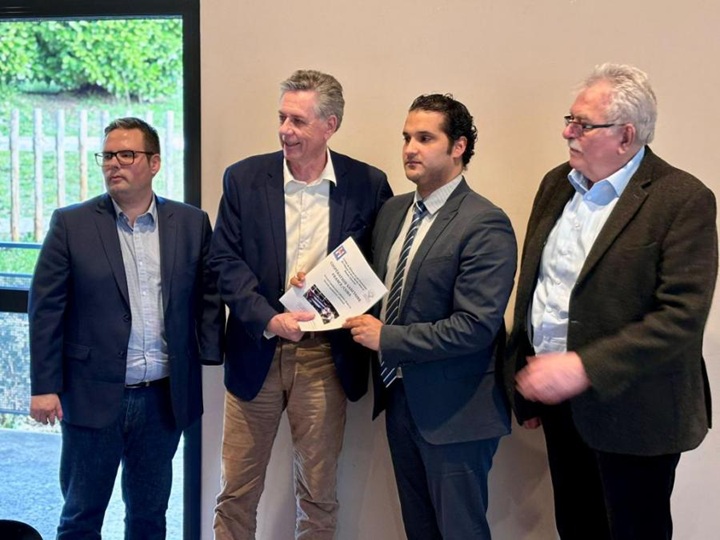
In a striking geopolitical divergence, a community hospital in France’s Cévennes region is pursuing medical cooperation with Cuba even as Caribbean nations sever ties with Havana’s medical program under US pressure. The Cuban Foreign Ministry announced that the Defense Committee of the Cévennes Hospital formally presented a cooperation proposal to Cuban embassy officials on Monday, seeking to bring Cuban doctors to serve multiple communes including Alès, Ardèche, and Lozère.
The diplomatic engagement occurred amid heightened tensions following the January 2026 capture of Venezuelan President Nicolás Maduro by US forces, which disrupted Cuba’s vital fuel supplies from Venezuela. The Trump administration has threatened severe tariffs against countries supplying fuel to Havana and visa revocations for officials involved in what the US State Department characterizes as ‘trafficking in persons’ through Cuba’s medical missions.
Cuban Second Chief of Mission Justo Rodríguez met with French officials including Sylvain André, mayor of Cendras, and Jean-Michel Suau representing the Hospital Defense Committee. According to Cuban authorities, Rodríguez expressed Cuba’s willingness to ‘respond positively’ once France establishes necessary legal and administrative frameworks. The proposal currently exists as a pilot program in selected municipalities.
The Cuban diplomat subsequently toured the Alès Cévennes Hospital Center with Director General Christian Cataldo to discuss practical implementation details. The visit concluded with expressions of political support from the French Communist Party’s Gard Federation and solidarity associations including Cuba Cooperation France.
This development contrasts sharply with recent actions by Guyana and other CARICOM members who have terminated medical agreements with Cuba following US allegations that Havana confiscates 75-95% of medical workers’ salaries, leaving them with inadequate compensation. The US maintains that Cuba’s program constitutes forced labor, while Cuba defends its international medical cooperation as humanitarian assistance.