February 25, 1980, marks a dark turning point in Suriname’s history when democratic foundations were violently uprooted by a military coup. Sergeant-led forces overthrew the democratically elected government of Prime Minister Henck Arron, dragging him and his National Party of Suriname (NPS) colleagues from power. The regime that followed installed a climate of fear, systematic human rights violations, and international isolation that left enduring scars on the nation.
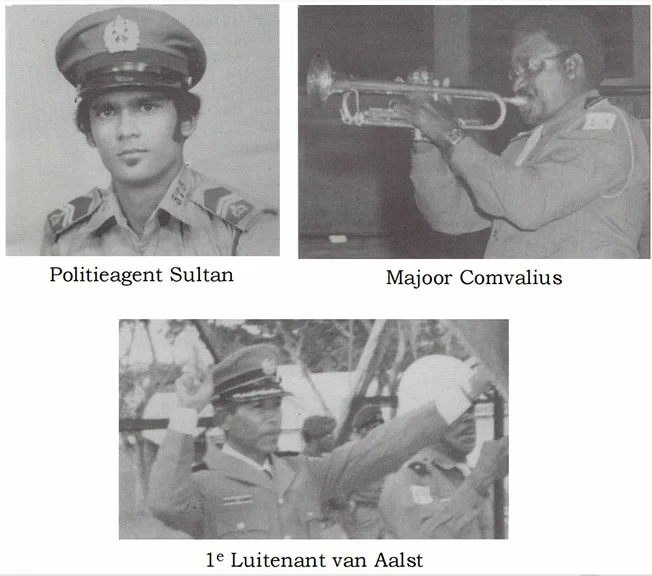
Among the earliest victims were Major Comvalius, First Lieutenant Van Aalst, and police officer Sultan—all executed on the day of the coup for remaining loyal to the constitution. These individuals, along with the fifteen intellectuals known as the December Murder victims of 1982, symbolize the high cost of defending democratic principles.
The coup dismantled judicial independence, suppressed free speech, and targeted journalists and union leaders. Suriname’s economy and international reputation suffered severely, transforming the once-promising nation into a pariah state plagued by oppression and mismanagement.
Yet the people’s resilience eventually prevailed. In November 1987, Surinamers rejected military rule and restored democracy through elections. Today, the legacy of the coup serves as a grim reminder: the violent overthrow of a elected government constitutes a fundamental betrayal of public will and an assault on democratic values.
A small faction continues to romanticize the events of February 1980, unaware—or indifferent—to the profound suffering it caused. Forty-six years later, it is clear that the coup plotters and their accomplices served not the people, but their own interests under the false pretense of working for the nation.