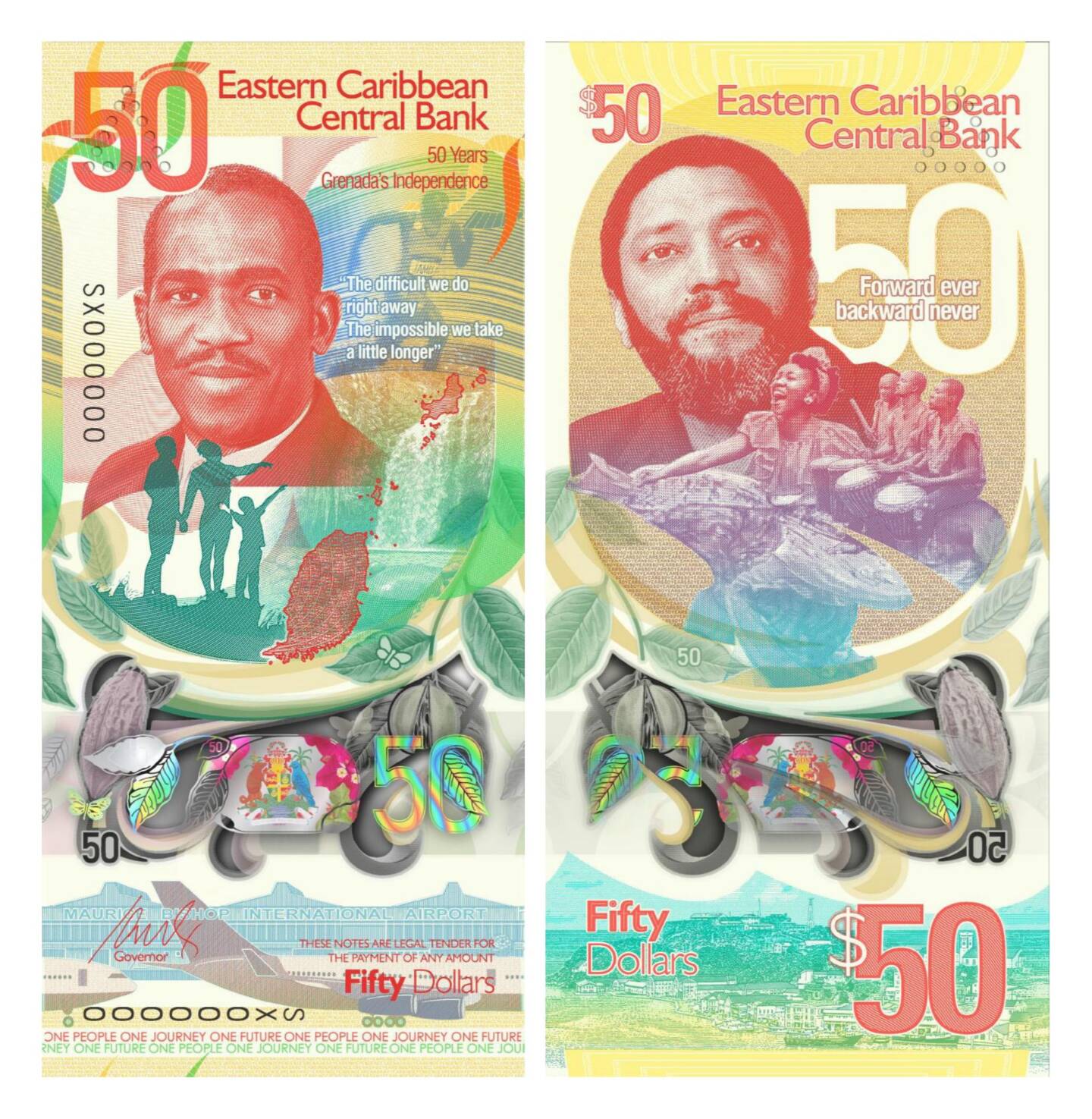
The Eastern Caribbean Central Bank (ECCB) has embarked on a transformative journey to redefine regional identity and financial modernization through two significant initiatives: a historic currency redesign and strategic financial policy adjustments.
In a landmark decision following its 112th Monetary Council meeting, the ECCB announced the gradual replacement of Queen Elizabeth II’s portrait on EC dollar banknotes with images of Caribbean national heroes. Governor Timothy Antoine characterized this move as “a historic step toward strengthening regional identity” that will commence circulation in 2027. The phased approach ensures economic prudence by allowing newer banknotes to remain in circulation until natural wear necessitates replacement.
Concurrently, the ECCB addressed monetary policy concerns regarding the region’s savings landscape. With excess liquidity reaching unprecedented levels—deposits across the Eastern Caribbean Currency Union (ECCU) have surpassed EC$28 billion and are growing faster than loans—the minimum savings rate remains anchored at 2%. Governor Antoine clarified that market liberalization would likely drive rates below 1%, stating definitively: “There should be no expectation that the minimum savings rate will go up.”
Rather than promoting traditional savings, the ECCB is championing investment diversification through newly introduced financial products. Recent innovations include mutual funds and retail bond programs that have already attracted nearly 350 new investors across the currency union. The bank’s ambitious goal aims to increase regional investment participation from the current 4% to 20% within the next decade.
These developments build upon the ECCB’s ongoing modernization efforts, including the 2024 commemorative EC$50 note celebrating Grenada’s independence anniversary and the recent EC$2 polymer banknote honoring cricket legend Sir Vivian Richards. The integration of cultural heritage with financial innovation represents a comprehensive strategy to strengthen both economic resilience and regional identity across the Eastern Caribbean.