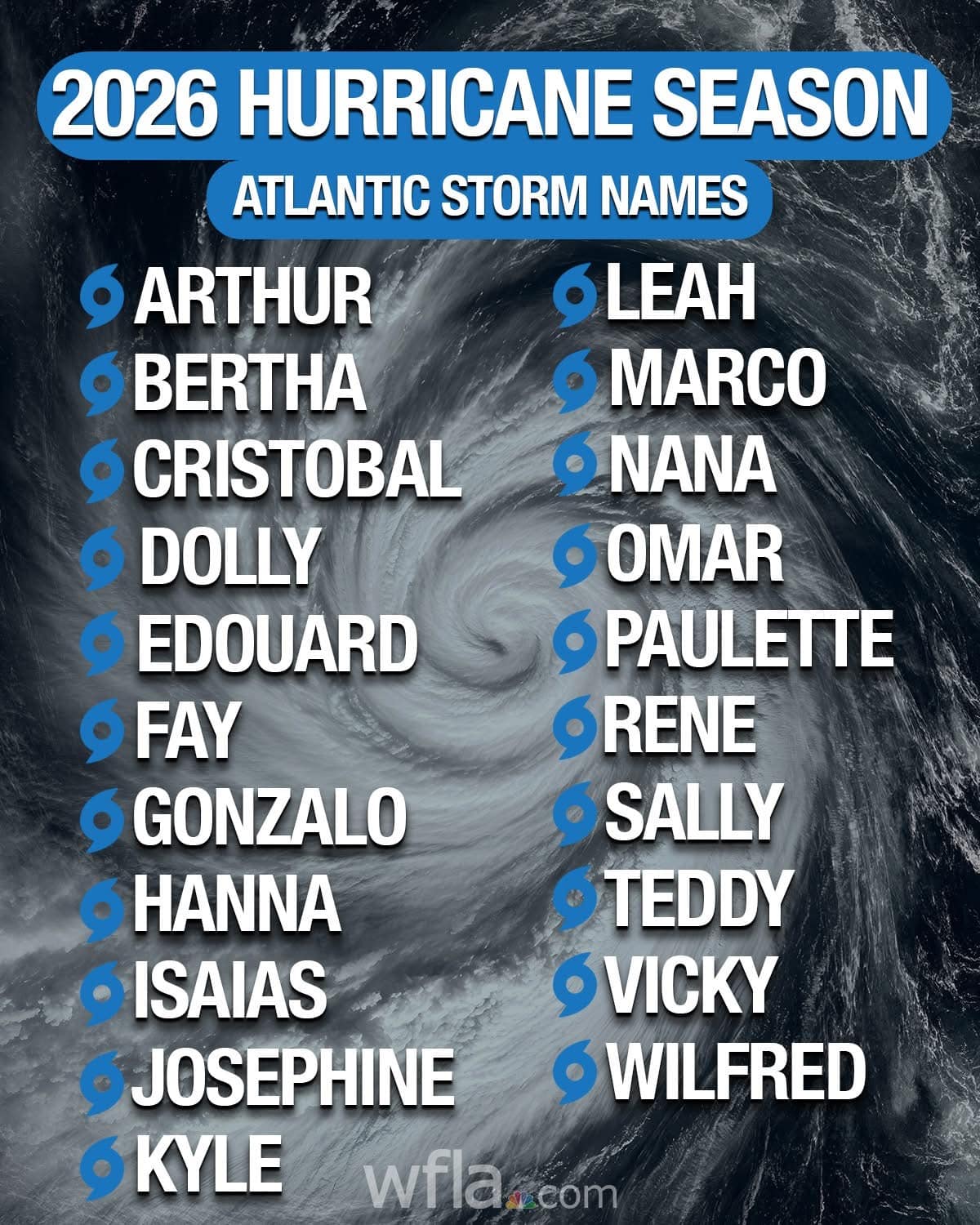
With the 2026 Atlantic hurricane season approaching within 100 days, meteorological authorities have already predetermined the names for potential storms, beginning with Arthur. This systematic approach to naming tropical cyclones represents a significant evolution from historical tracking methods that relied solely on chronological order.
The World Meteorological Organization (WMO) maintains a carefully curated list of 21 names that operate on a six-year rotational basis. The 2026 names will mirror those used during the 2020 season, creating a familiar pattern for tracking annual storm activity. The naming process activates when a tropical system achieves sustained wind speeds of 39 mph or greater, with names assigned sequentially from the alphabetical list.
The historical context of hurricane naming reveals substantial changes over decades. Before the 1950s, the National Oceanic and Atmospheric Administration (NOAA) tracked storms merely by their formation sequence, creating confusion during simultaneous Atlantic events. From 1953 through 1979, the system exclusively utilized female names before evolving to include both genders.
A significant aspect of the naming protocol involves the retirement of names associated with particularly devastating or deadly storms. The WMO committee conducts annual reviews and removes names “for reasons of sensitivity,” as noted by the National Hurricane Center. Following the 2024 season, names Beryl, Helene, and Milton joined the list of 99 retired names since 1953.
To address increasingly active seasons, the WMO implemented a supplemental naming list in 2021 after the unprecedented 2020 season exhausted both the primary list and the previous Greek alphabet backup system. The organization discontinued Greek字母 usage due to translation difficulties and the distraction from storm severity awareness. The committee subsequently retired names Eta and Iota from that season.
The alphabetical limitation stems from practical considerations—insufficient common names beginning with Q, U, X, Y, and Z across the required six rotations, compounded by linguistic accessibility challenges across international weather services.