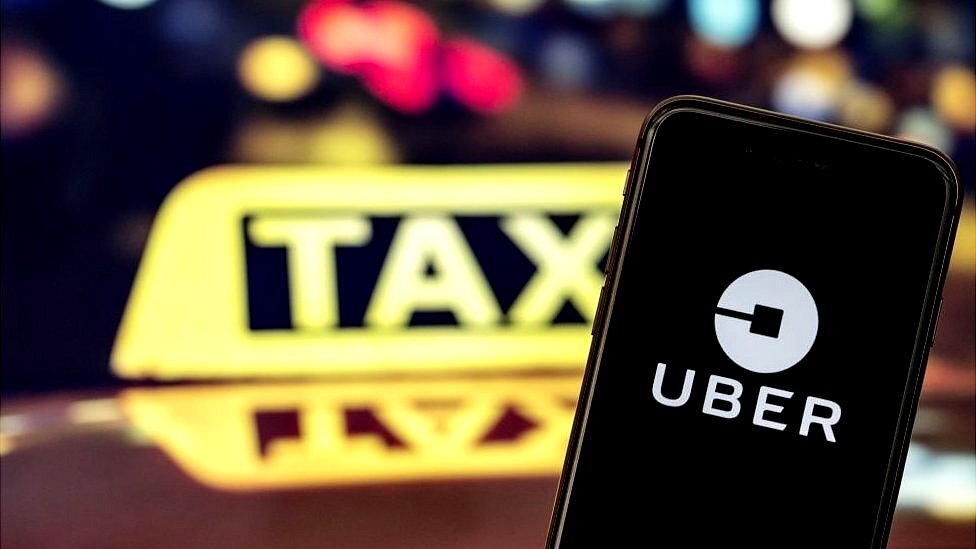
The global ride-hailing behemoth Uber has declared its intention to remain part of Saint Lucia’s future despite facing mounting regulatory challenges and government opposition. This Caribbean confrontation escalated when Deputy Prime Minister Ernest Hilaire publicly declared Uber’s operations illegal earlier this month, citing significant regulatory violations.
Despite direct questioning from St Lucia Times regarding its legal status and compliance intentions, Uber provided evasive responses, avoiding specific answers about its regulatory standing. Instead, the company reiterated its willingness to engage in “respectful dialogue with all stakeholders” while maintaining operations despite the government’s cease-and-desist order.
The core regulatory conflicts identified by Minister Hilaire encompass three critical areas: Uber’s failure to obtain a necessary trade license, non-registration with the Inland Revenue Department for tax purposes, and lack of certification under the Tourism Development Act. Compounding these official challenges, the National Taxi Union has warned its members that association with the Uber platform could jeopardize their union registration status.
Since its January 27 launch on the island, Uber has promoted its platform as a technological solution benefiting local drivers through enhanced connectivity with tourists, credit card payment options, and schedule flexibility. However, its arrival has ignited complex debates about transportation modernization versus regulatory compliance.
The controversy reflects deeper systemic issues within Saint Lucia’s transportation infrastructure. Residents report persistent challenges with limited routes, inconsistent service, and coverage gaps that complicate daily commutes for workers and students alike.
One Beausejour resident, familiar with international ride-hailing services, expressed cautious optimism tempered by practical concerns: “The idea of a dependable service is appealing but I’ve faced disappointing experiences with local platforms—unavailable drivers or unexpected fees eventually made me stop trying.”
This standoff transcends corporate-regulatory tensions, revealing fundamental questions about how Saint Lucia might develop more reliable, affordable, and accessible transportation systems. As the government and union maintain firm opposition, many citizens are weighing the potential benefits of technological innovation against the necessity of regulatory oversight and fair competition.