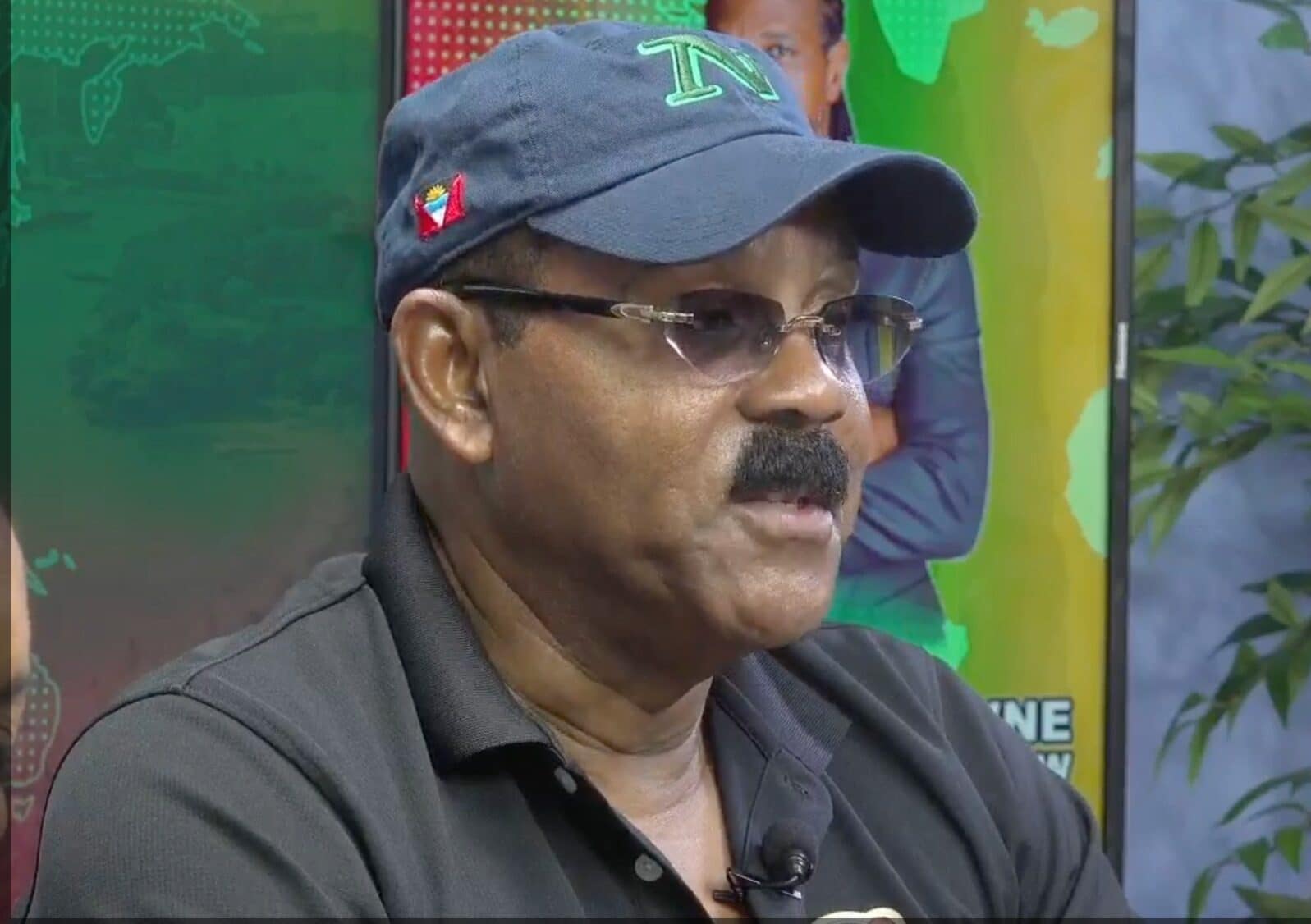
Prime Minister Gaston Browne has projected an unprecedented electoral victory for his ruling Antigua and Barbuda Labour Party (ABLP), forecasting a complete parliamentary takeover in upcoming elections—including the traditionally opposition-held Barbuda constituency. During his weekly radio address on Pointe FM’s Browne and Browne show, the leader articulated unwavering confidence in his party’s organizational strength while characterizing opposition forces as institutionally fractured.
The political commentary emerged alongside strategic preparations for the March 16 by-election in St. Philip’s North, necessitated by the retirement of veteran parliamentarian Sir Robin Yearwood after half-century of service. Browne confirmed formal procedures are underway with nomination day established for February 25 and polling scheduled for mid-March. Voters were urged to update their electoral identification cards promptly.
Browne dismissed the narrow 93-vote margin that preserved ABLP’s hold on St. Philip’s North in 2023 as anomalous, attributing the slender win to extraordinary circumstances including pandemic aftermath, Ukraine conflict-induced inflation, LIAT airline’s collapse, and aggressive opposition campaigning. ‘Presently, the government is settled and the country stable,’ Browne asserted, suggesting voters would reject exchanging stability for uncertainty.
The Prime Minister introduced customs official Randy Baltimore as ABLP’s candidate, framing his selection as part of deliberate succession planning developed through decades of collaboration with Yearwood. Browne further intensified political rhetoric by labeling Barbuda’s incumbent representative Trevor Walker as ‘non-performing’ and suggesting his constituency could fall to Labour Party advancement.
Describing the main opposition United Progressive Party as an ‘imploding institution’ grappling with leadership crises, Browne contended they stand ‘in no position to win anything.’ The St. Philip’s North by-election represents the first electoral measurement since Yearwood’s departure and serves as a crucial barometer for national political sentiment ahead of general elections.