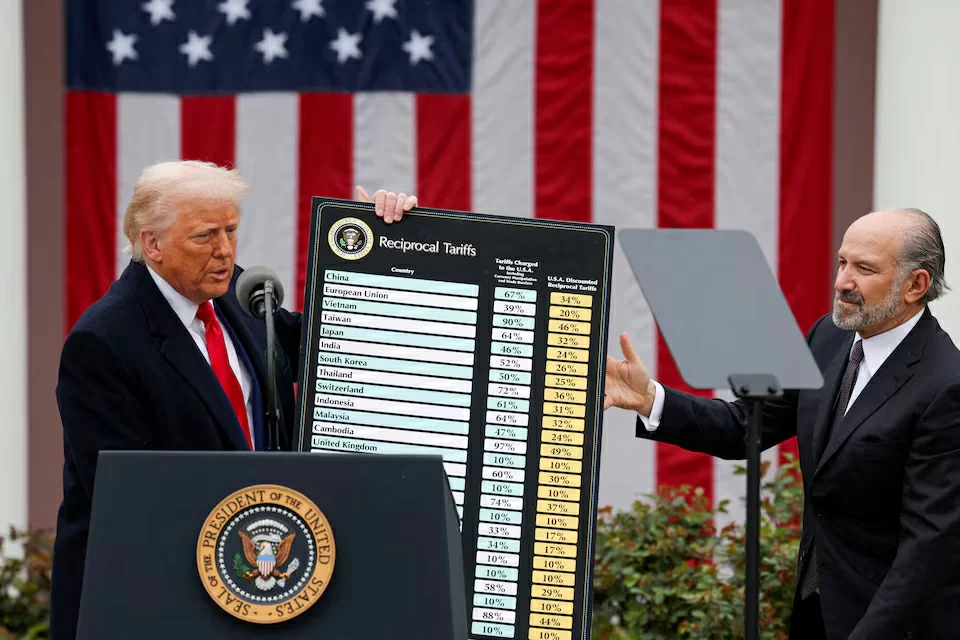
In a dramatic confrontation with the judicial branch, former President Donald Trump has openly defied a landmark Supreme Court decision that struck down his unilateral authority to impose import tariffs. The 6-3 ruling, delivered on Friday, represents a significant constitutional check on presidential powers regarding international trade policy.
The Supreme Court’s majority opinion determined that Trump had overstepped his executive authority by claiming extraordinary powers to impose tariffs of “unlimited magnitude, duration, and scope” under the International Emergency Economic Powers Act (IEEPA). The court emphasized that tariffs constitute taxes that must be established by Congress under constitutional provisions.
Responding with fury during a White House press conference, Trump expressed shame toward certain justices, suggesting without evidence that foreign interests and corruption influenced the majority opinion led by Chief Justice John Roberts. “They lack the courage to do what’s right for our country,” Trump stated, calling the decision “ridiculous” and characterizing the justices as “unpatriotic and disloyal to our Constitution.”
Within hours of the ruling, Trump announced his intention to bypass the judicial setback by invoking Section 122 of the Trade Act of 1974, which allows a president to impose temporary tariffs of up to 15% for 150 days to address “fundamental international payment problems.” He immediately implemented a 10% across-the-board tariff on imports from all countries, layered atop existing duties.
Additionally, Trump signaled plans to reactivate Section 301 of the Trade Act, the same legal instrument he previously used to levy tariffs between 7.5% and 25% on approximately $370 billion worth of Chinese imports during his first term. These measures, while providing alternative legal pathways, will likely face further judicial challenges and require congressional approval for any extensions.
The court’s decision nullifies the leverage Trump and his trade envoys had wielded globally to force trade agreements under the threat of tariffs. It also leaves uncertain the status of approximately $175 billion already collected from U.S. importers through the now-invalidated tariffs.
Financial markets initially rallied on the ruling but quickly grew volatile as uncertainty mounted regarding Trump’s next moves. The escalation threatens to reignite global trade tensions, with markets and trading partners anxiously awaiting further developments in what appears to be an ongoing constitutional and economic showdown.