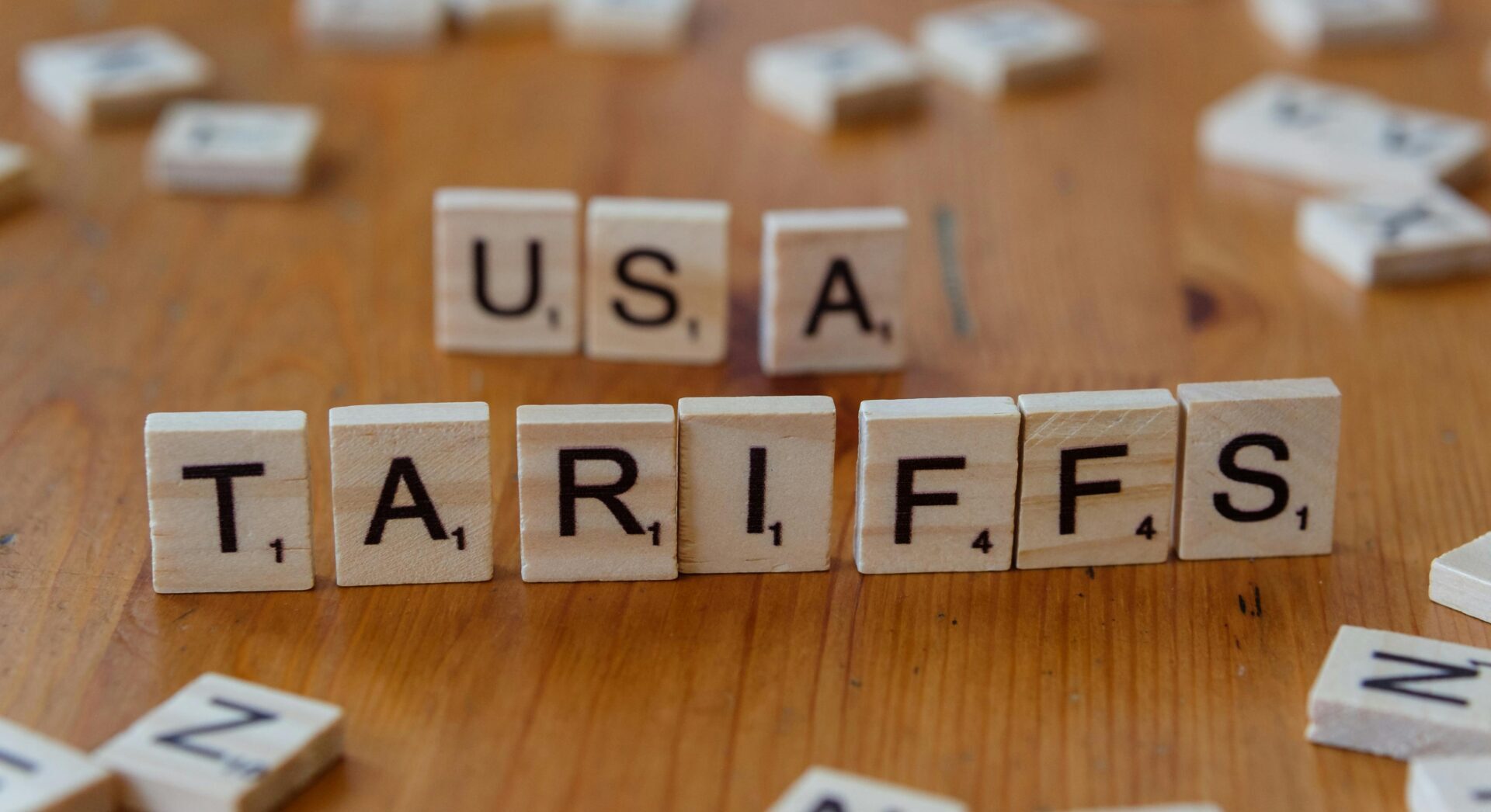
In a landmark constitutional ruling, the U.S. Supreme Court has declared that former President Donald Trump’s expansive global tariff regime exceeds presidential authority and requires Congressional approval. The 6-3 decision represents the most significant judicial rebuke of Trump’s executive actions during his presidency.
Justice Neil M. Gorsuch, a Trump appointee, authored a comprehensive 46-page concurring opinion emphasizing that “the Constitution lodges the Nation’s lawmaking powers in Congress alone.” The ruling specifically addressed Trump’s use of the 1977 International Emergency Economic Powers Act (IEEPA), which the Court found never explicitly granted tariff-imposing authority to the executive branch.
The decision invalidates two major categories of tariffs: country-specific “reciprocal” tariffs ranging from 34% for China to a 10% baseline for other nations, and a separate 25% levy on certain imports from Canada, China, and Mexico allegedly related to fentanyl control failures. However, tariffs imposed under different legal authorities, including those on steel and aluminum, remain unaffected.
Economic data reveals these contested tariffs generated approximately $130 billion in revenue through mid-December, according to U.S. Customs and Border Protection. Trump had controversially claimed the figure reached $3 trillion when including trade deal arrangements negotiated during his administration.
The ruling culminates legal challenges from small business owners who argued the tariffs caused severe economic harm, increased consumer prices, and damaged manufacturing employment through higher imported component costs. Lower courts had previously ruled against the administration’s legal position, maintaining tariffs only during appeal proceedings.
Responding to the decision, Trump promised to pursue alternative mechanisms to maintain trade pressures, stating: “Other alternatives will now be used to replace the ones that the court incorrectly rejected. We have alternatives. Great alternatives. Could be more money.”