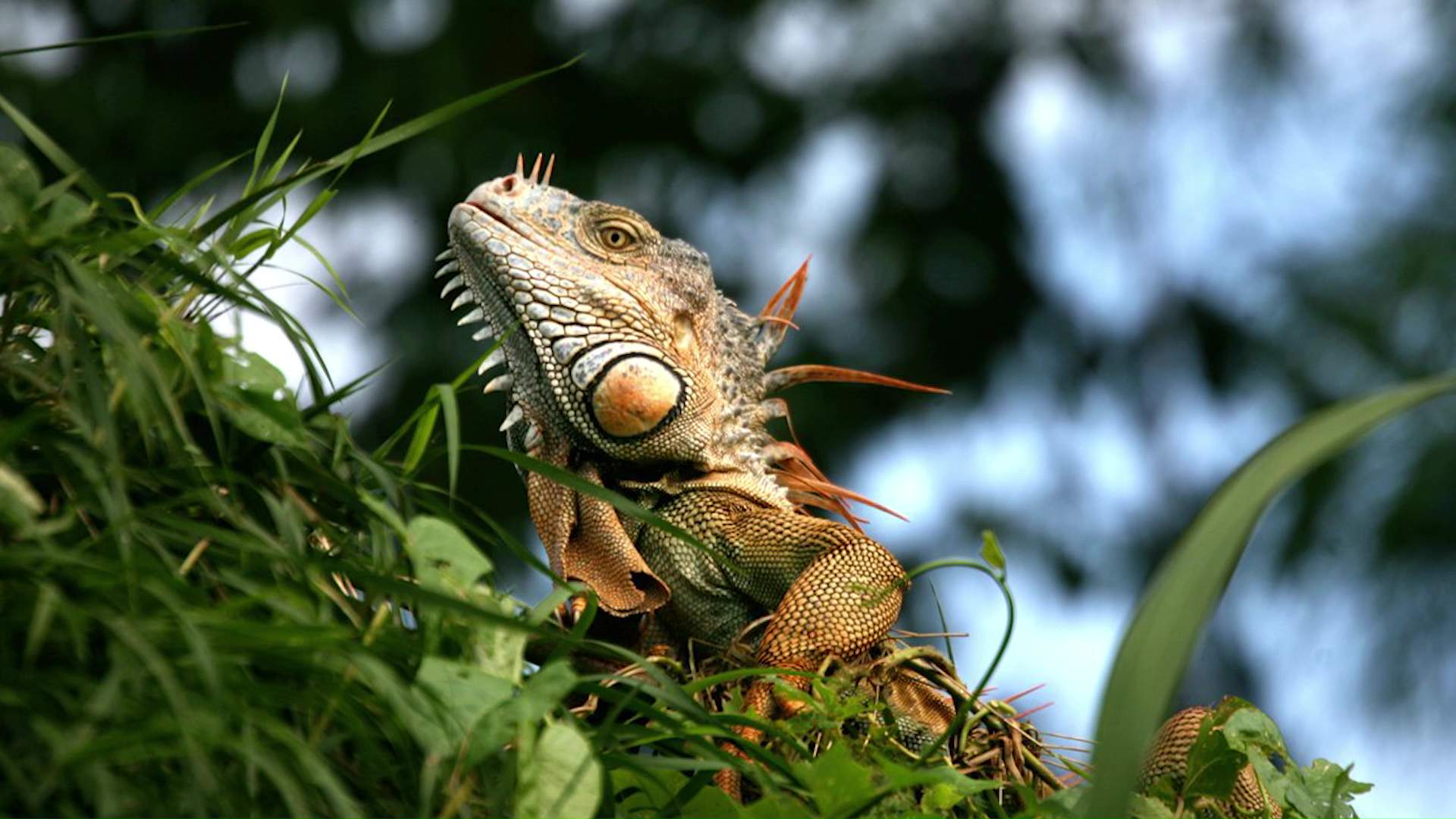
Belize has officially implemented its annual iguana protection ban, establishing a crucial conservation window from February through June. Wildlife authorities emphasize the critical timing of this measure as green iguanas enter their most vulnerable reproductive period.
The seasonal prohibition coincides with peak nesting activity when female iguanas carry eggs, traditionally a period of increased hunting demand. Conservation teams are urgently appealing to citizens to cease hunting activities during this sensitive biological cycle, noting that population recovery depends heavily on this protected nesting and hatching phase.
Parallel to these protective measures, Belize’s singular iguana breeding initiative operates behind the scenes to bolster wild populations. The program systematically collects eggs, rears young reptiles in controlled environments, and strategically releases them into natural habitats. This collaborative effort with the Forest Department represents a proactive approach to species reinforcement, despite the absence of formal population monitoring systems.
Wildlife officers confirm that the breeding program’s ongoing partnership with governmental agencies continues to strengthen iguana conservation outcomes, creating a multifaceted defense against population decline during the species’ most vulnerable lifecycle stages.