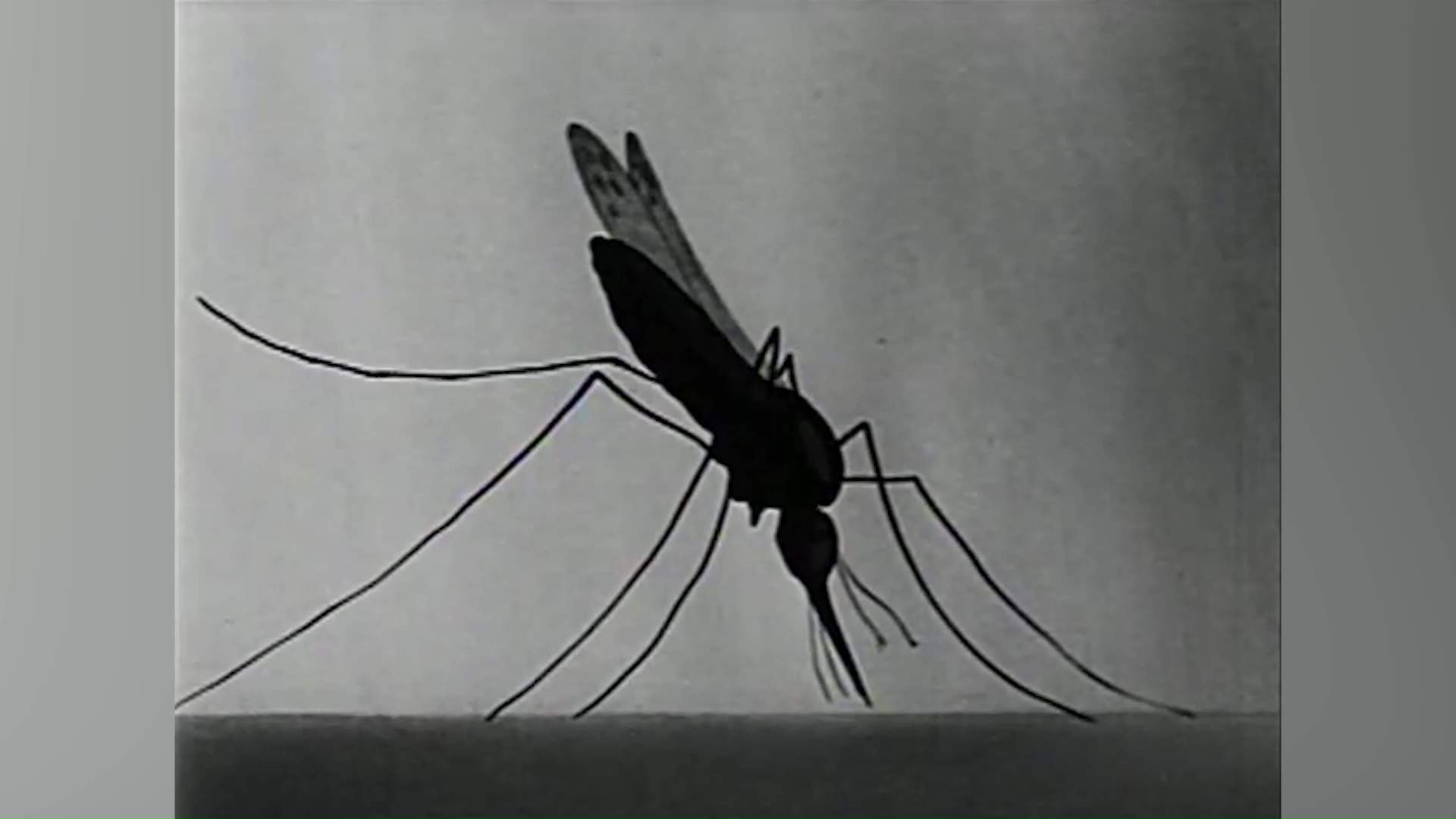
Health authorities in Belize have confirmed two imported malaria cases in Crique Sarco Village, Toledo District, while emphasizing the nation’s hard-earned malaria-free certification remains intact. The Ministry of Health and Wellness reported both infections originated from foreign travel to endemic regions, highlighting persistent transmission risks through international mobility.
Chief Vector Control Officer Kim Bautista clarified that imported cases don’t constitute local reestablishment of the disease, explaining that WHO revocation requirements involve three consecutive years of domestic transmission. “These cases demonstrate patterns of travelers returning from endemic areas positive,” Bautista stated, “which creates risks for malaria reestablishment in vulnerable communities.”
The ministry has intensified surveillance measures and public awareness campaigns, offering free testing and treatment services. Health officials specifically warned travelers visiting rural, forested, or border communities to implement enhanced mosquito bite prevention measures. Bautista emphasized that prompt detection and reporting remain crucial, particularly since local populations might lack familiarity with malaria symptoms after years without domestic cases.
The World Health Organization officially certified Belize as malaria-free in 2023, marking a significant public health achievement for the Central American nation. Current protocols require continuous monitoring and rapid response systems to maintain this status amid global travel patterns that frequently introduce disease vectors across borders.