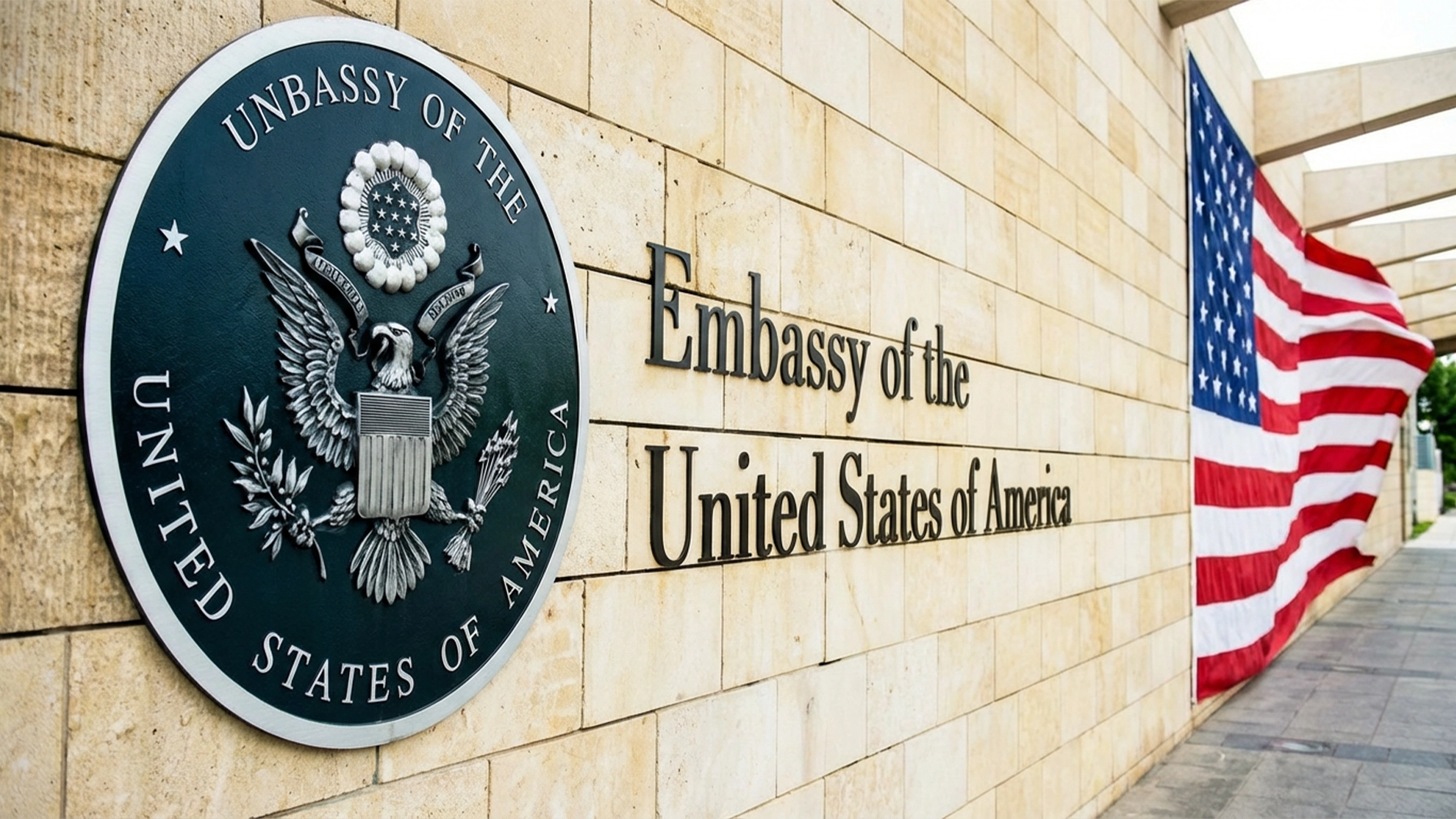
A significant diplomatic controversy has emerged in Saint Lucia following Prime Minister Philip J. Pierre’s remarks concerning potential changes to the Cuban Medical Programme and educational exchanges. The situation escalated when the US Embassy promptly denied making any formal requests regarding these bilateral arrangements, triggering widespread public skepticism toward the Prime Minister’s statements.
This incident reveals deeper psychological patterns within Caribbean societies, where external powers are often granted automatic credibility while local leadership faces immediate suspicion. The phenomenon reflects what scholars identify as a persistent colonial mindset—the tendency to validate Northern narratives while doubting regional voices despite elected legitimacy.
Historical context demonstrates this pattern across multiple policy areas including banana trade disputes, financial blacklisting, citizenship investment programmes, and reparations discussions. Regional adjustments to Cuban cooperation programmes in Jamaica and Antigua and Barbuda under US pressure further substantiate the plausibility of such diplomatic exchanges occurring.
Contemporary geopolitical analysis suggests that powerful nations frequently advance economic interests under the guise of benevolent policies. The United States’ historical interventions in Iran, Guatemala, Congo and Chile exemplify the dissonance between rhetorical principles and practical implementation. Similarly, China’s expansion through trade dominance and unconditional loans creates alternative but comparable dependency dynamics.
The structural inequities perpetuating Caribbean vulnerability include IMF austerity measures, WTO rulings that dismantled preferential trade agreements, and financial regulations triggering correspondent banking withdrawals. Governance architectures within international institutions systematically marginalize small states through quota-based voting systems that effectively grant Western powers veto authority.
This diplomatic episode underscores the urgent need for what intellectuals term ‘decolonial reflection’—not merely as political rhetoric but as fundamental psychological recalibration. True sovereignty requires developing epistemic confidence in regional institutions and critically examining power dynamics even when presented as partnership frameworks. The path forward involves rejecting automatic deference to external narratives while cultivating intellectual independence that honors both self-criticism and legitimate resistance to hegemonic overreach.