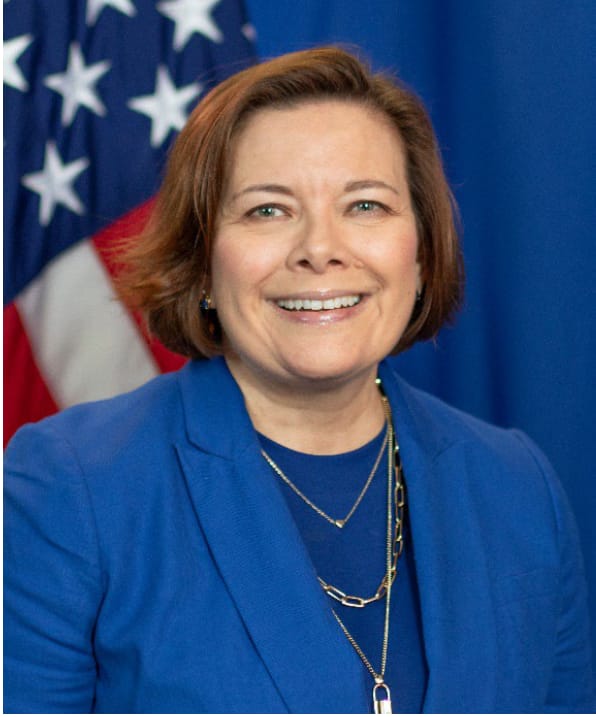
In a stark diplomatic condemnation, Chargé d’Affaires Karin Sullivan of the U.S. Embassy to Barbados, the Eastern Caribbean, and the OECS has characterized Cuba’s international medical missions as a systematic forced labor operation rather than humanitarian assistance. The detailed critique reveals how Havana’s program generates approximately $5 billion annually in foreign currency—representing the regime’s largest revenue stream—while subjecting medical professionals to coercive conditions.
According to the analysis, Cuban medical workers face severe restrictions including confiscated credentials and passports, drastically limited wages, and punitive measures such as eight-year exile for non-compliance. While these medical brigades are publicly marketed as symbols of global solidarity, the U.S. official asserts they primarily serve to fund a corrupt regime while creating medical shortages within Cuba itself.
The Trump Administration has responded with concrete measures, implementing visa restrictions against individuals facilitating Cuba’s labor export program and engaging with over 50 host countries to address systemic flaws. This policy approach frames the issue not as opposition to healthcare delivery but as a fundamental labor and human rights concern. The administration emphasizes that ethical medical cooperation cannot coexist with forced labor practices that exploit professionals and divert earnings from workers to the regime.
Regional partnerships involving Cuban medical personnel are often rationalized as addressing staffing shortages rather than indicating political alignment. However, the U.S. position maintains that addressing healthcare gaps cannot justify participation in exploitative systems that raise serious ethical and legal questions. The administration advocates for building sustainable healthcare systems through transparent, equitable arrangements that respect workers’ rights while meeting medical needs.
The fundamental contention positions human dignity and opposition to forced labor as prerequisites rather than obstacles to genuine international health cooperation, urging accountability for governments and individuals enabling exploitation while advocating for reformed practices that would benefit both Cuban medical professionals and Cuba’s domestic healthcare system.