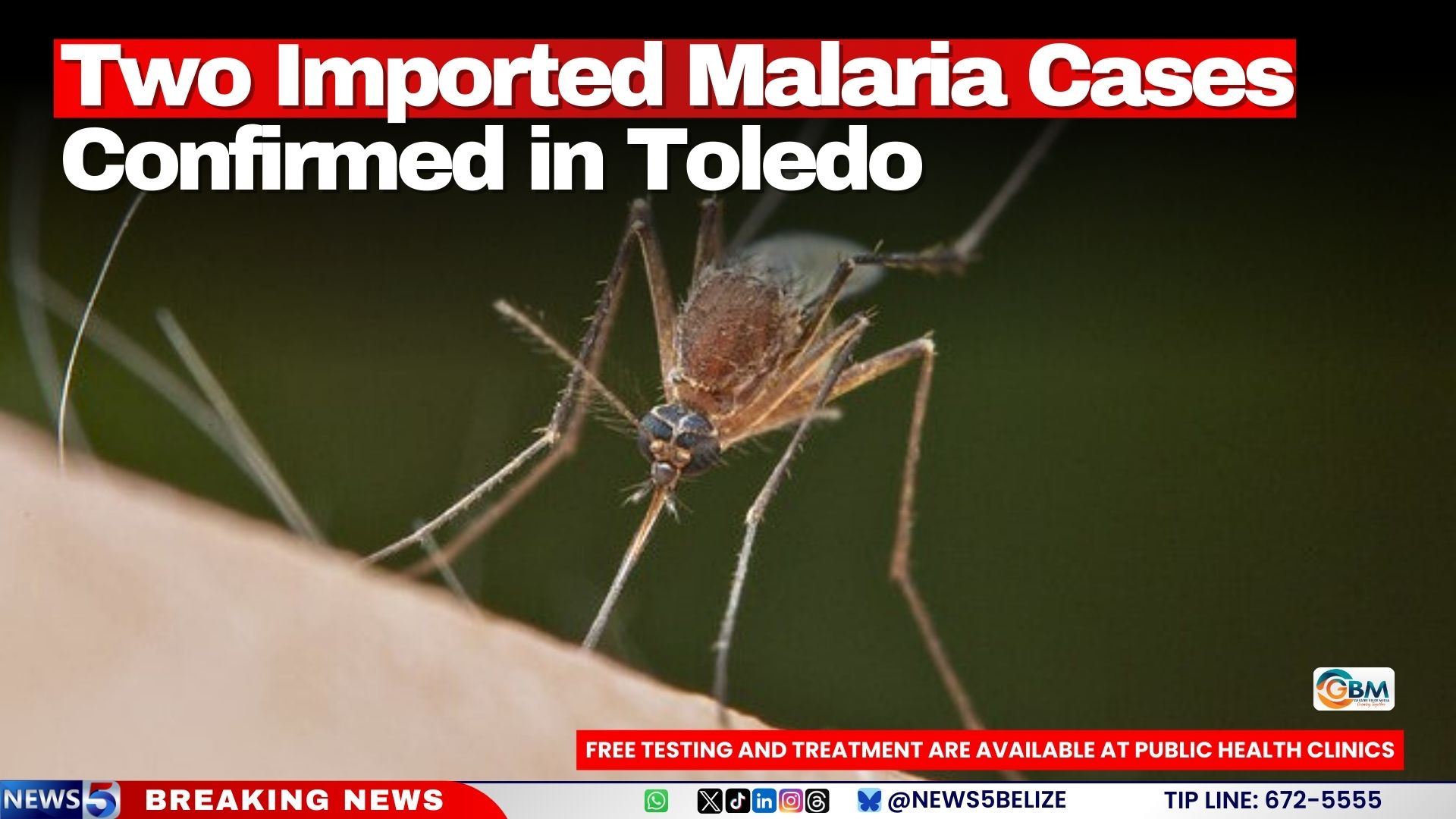
Health authorities in Belize have reported two confirmed cases of imported malaria within the Toledo District, specifically in Crique Sarco Village. The Ministry of Health and Wellness (MOHW) has classified these infections as imported, confirming the virus was contracted outside the country’s borders.
This development does not affect Belize’s official malaria-free certification, which was formally awarded by the World Health Organization in 2023. The designation confirms that local mosquito populations within Belize are not transmitting malaria between humans, establishing that the domestic chain of transmission remains broken.
These imported cases highlight ongoing concerns about the potential reintroduction of malaria through international travel from regions where the disease remains endemic. Health officials emphasize that vigilant monitoring and rapid response systems are crucial for maintaining the nation’s malaria-free status.
The MOHW has reminded the public about malaria’s clinical presentation, which typically includes high fever, severe chills, profound headaches, muscle aches, excessive sweating, fatigue, and nausea. Symptoms generally manifest between 7 to 30 days following initial infection. The ministry guarantees complimentary diagnostic testing and treatment accessible at all public health clinics, through community health workers, and via dedicated malaria volunteers.
In a related update, the ministry confirmed Belize’s continued diagnostic capability for other mosquito-borne illnesses, including Chikungunya and Zika viruses. Health surveillance data indicates no local transmission of Chikungunya since 2016, and no cases of Zika have been reported since 2017, underscoring the effectiveness of the nation’s vector-borne disease control programs.