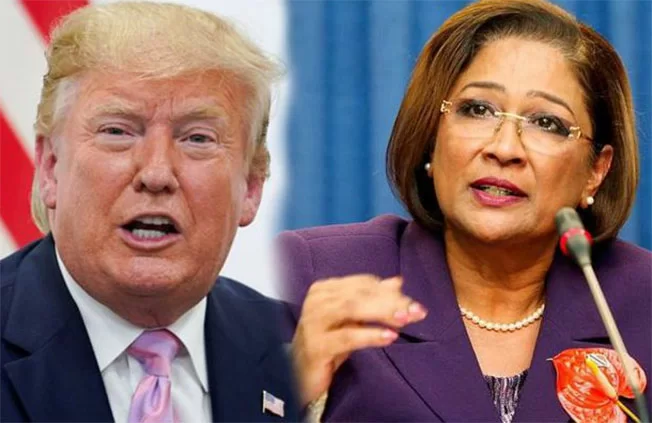
The United States has issued two General Licenses to Trinidad and Tobago, enabling the Caribbean nation to legally conduct specific oil and gas activities in Venezuela and within their shared maritime border region. This development marks a significant shift in hemispheric energy cooperation following previous sanction-related disruptions.
Prime Minister Kamla Persad-Bissessar announced the licenses via social media, characterizing them as a crucial advancement for regional energy security. She emphasized that this U.S. authorization not only strengthens diplomatic ties with Washington but also positions Trinidad and Tobago as a “reliable energy hub” in the Caribbean basin.
“We remain optimistic about enhancing our role in regional energy markets, supporting domestic industry, securing employment opportunities, and contributing to stable supply chains that benefit the broader region,” the Prime Minister stated. She further committed that all activities would adhere to applicable legal and regulatory frameworks with strong emphasis on transparency and governance.
The licenses contain specific financial provisions requiring all payments from oil and gas ventures—including taxes or royalties to Venezuela’s government, state oil company PdVSA, or its entities—to be deposited into special accounts designated by the U.S. Department of the Treasury. The regulations explicitly exclude commercially unreasonable payments, debt swaps, or transactions involving gold or digital currencies.
This authorization follows broader U.S. sanctions easing that has enabled major energy corporations including Shell, BP, Chevron, Eni, and Repsol to consider or expand operations in Venezuela. The move reverses the April 2025 revocation of previous licenses that had suspended development of the Dragon and Cocuina-Manakin gas fields, projects with substantial economic implications for Trinidad and Tobago.
Energy analysts view the development as both an opportunity for regional energy security and a challenge due to Venezuela’s complex geopolitical landscape. Persistent sanctions, political volatility, and international tensions continue to influence the operating environment. While the new licenses potentially pave the way for future investments and collaborations, experts caution that strict adherence to international regulations and ongoing diplomatic coordination will be essential for long-term success.