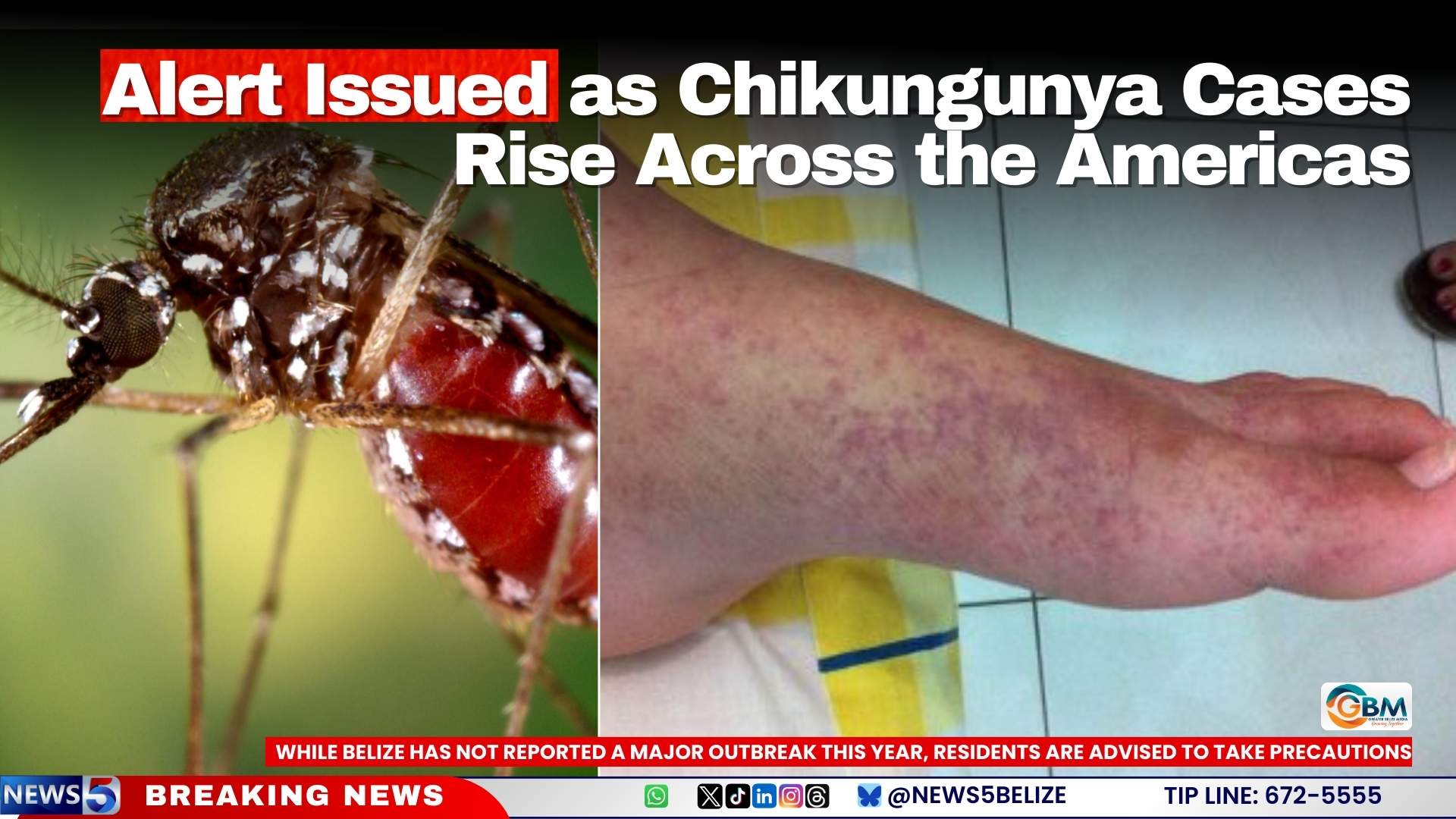
The Pan American Health Organization (PAHO) has escalated its regional health advisory in response to a concerning surge in chikungunya infections throughout the Americas. Notably, the mosquito-borne disease has reemerged in territories that had remained free from reported cases for several years.
Epidemiologists attribute this viral proliferation to favorable environmental conditions, with elevated temperatures creating optimal breeding environments for Aedes aegypti mosquitoes—the primary vectors responsible for transmission.
Dr. Sylvain Aldighieri, PAHO’s Director of Communicable Diseases, emphasized the strategic objective behind the alert: “This advisory aims to enhance preparedness among healthcare providers and government entities for potential outbreak scenarios while facilitating coordinated public awareness initiatives.”
Chikungunya virus manifests through clinical symptoms including high-grade fever, debilitating joint pain, cephalgia, profound fatigue, myalgia, cutaneous eruptions, and nausea. A significant proportion of patients experience persistent arthralgia that may continue for several months post-infection. Current management remains supportive, focusing on analgesic and antipyretic medications due to the absence of targeted antiviral therapies.
Vulnerable demographics demonstrating heightened susceptibility to severe complications include infants under twelve months, elderly populations, pregnant individuals, and immunocompromised patients.
PAHO’s updated guidelines urge healthcare facilities to implement enhanced surveillance protocols for febrile patients presenting with dermatological manifestations and ensure adequate clinical readiness. Public health recommendations emphasize preventive measures: application of EPA-registered insect repellents, wearing protective clothing, utilizing insecticide-treated bed nets, and eliminating stagnant water reservoirs.
Surveillance data from 2025 documented over 313,000 confirmed infections and 170 fatalities across the region. The virus has demonstrated particular resilience in Guyana, French Guiana, and Suriname—jurisdictions now reporting renewed transmission after extended disease-free periods.
While Belize maintains no active outbreak declarations, health authorities advocate for proactive personal protection measures to mitigate transmission risks and contain potential viral spread.