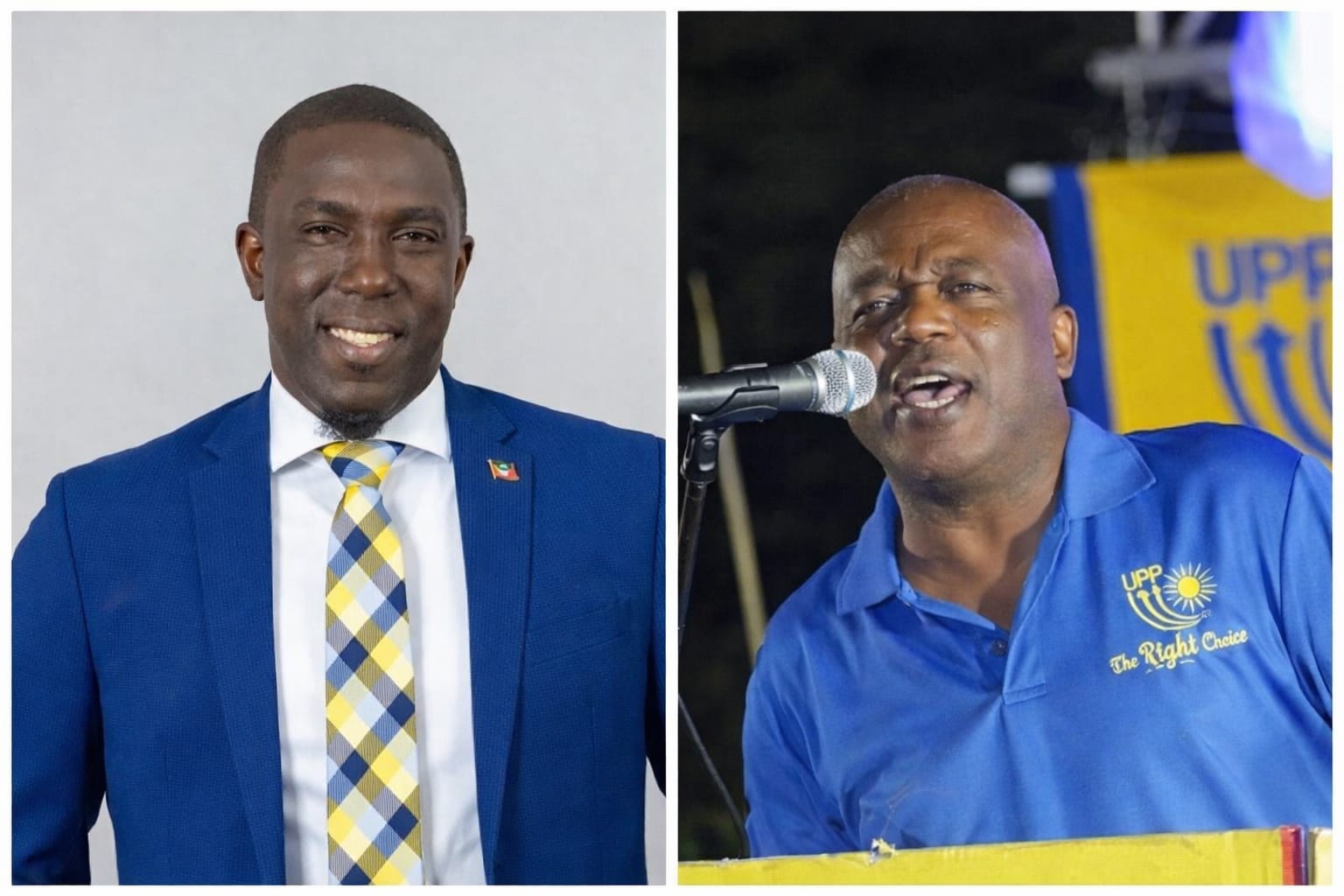
In a significant parliamentary maneuver, Opposition Leader Jamale Pringle and MP Sherfield Bowen have introduced three Private Members’ Bills, marking a concerted effort to enhance governmental accountability. The submissions represent a direct challenge to the current administration’s oversight mechanisms.
Pringle, representing All Saints East and St. Luke, put forward two substantive motions. The first advocates for the creation of a Public Works and National Housing Joint Select Committee, while the second calls for establishing a Public Health and Social Transformation Joint Select Committee. These initiatives stem from concerning findings within recent budget estimates, where the Ministry of Public Works reported persistent procurement issues, road rehabilitation challenges, and government building maintenance deficiencies—particularly troubling in the aftermath of the ‘vehicle-gate’ controversy. Simultaneously, the Ministry of Health highlighted critical funding shortfalls, inadequate backup power systems at medical facilities, and insufficient basic medical equipment.
Pringle emphasized Parliament’s constitutional role in executive oversight, stating, ‘Parliamentarians cannot remain passive while cabinet ministers boast of surplus funds when essential ministries operate in dire conditions. Our proposals aim to address root causes through enhanced transparency and accountability.’
Concurrently, MP Bowen (St. Phillip South) submitted legislation requiring the Finance Minister to disclose all audited financial statements, actuarial reports, and investment statements for the Social Security Fund—documents Prime Minister Gaston Browne has acknowledged possessing. Bowen cited clear violations of Sections 17 and 18 of the Social Security Act 1972, questioning how informed parliamentary decisions can occur without these critical documents.
This legislative action follows the recent precedent set by MP Trevor Walker’s Private Member’s Bill regarding the Oath of Allegiance, which was initially rejected by government but later adopted and credited to the Attorney-General. As defined by Standing Order 30(3), these bills enable non-ministerial parliamentarians to propose legislation directly.
Pringle concluded by affirming the opposition’s commitment to democratic principles: ‘Parliament must transcend debate to actively legislate, oversee, and serve public interest. Further Private Members’ Bills will be forthcoming in subsequent sessions.’