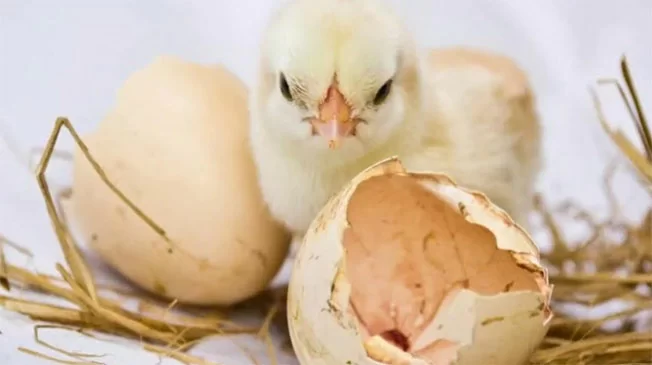
The Ministry of Agriculture, Livestock, and Fisheries (LVV) of Suriname will initiate a comprehensive nationwide training program in March, targeting young and aspiring entrepreneurs interested in entering the poultry sector. This strategic move aims to significantly increase domestic chicken production and reduce the country’s heavy reliance on imported poultry products.
Currently, Suriname imports approximately 65% of its consumed chicken, with only 35% originating from local production—a balance the government is determined to change. “Increased domestic production directly translates to reduced imports. This is our focused objective,” stated Minister Mike Noersalim, emphasizing the ministry’s ongoing dialogue with industry stakeholders.
The training program will commence in the Saramacca district, with plans for gradual expansion across all districts nationwide. While no participant cap has been established, applicants will undergo a screening process to ensure commitment. “We must avoid training individuals who may not utilize the acquired knowledge,” Minister Noersalim emphasized.
The ministry identifies poultry farming as a low-barrier entry point for young entrepreneurs, requiring comparatively lower investment than sectors like cattle ranching. “Many already have coops or previous experience. Our responsibility is to provide proper knowledge and guidance, which are crucial for success,” Noersalim added.
Beyond training, LVV is enhancing access to financing through the National Agribusiness Development Fund (NOFA) and a specialized youth fund at the National Development Bank (NOB). Simultaneously, the ministry encourages optimal land utilization, noting that many available terrains remain underutilized.
This production expansion supports broader agro-projects, including a planned passion fruit processing facility at the Milk Center complex, requiring substantial fruit supply. LVV has engaged with large-scale passion fruit growers in Saramacca and residents capable of backyard cultivation. This initiative receives support from the Inter-American Development Bank (IDB).
Additionally, the ministry has established partnerships with Granman Aboikoni of the Saramaccaners for two collaborative projects: raising local chickens (oso fowru) and cultivating highland rice, a staple crop in the Upper Suriname region.
Minister Noersalim confirms this approach aligns with a broader district-specific strategy that leverages unique regional strengths. “We are systematically building a more productive agricultural sector and enhancing food security for Suriname,” he concluded.