Global Ports Holding (GPH), the world’s largest independent cruise port operator, is executing a multifaceted global expansion strategy under the leadership of Chairman and CEO Mehmet Kutman. The company’s ambitious vision encompasses geographic growth, luxury service innovation, and community-focused development.
Caribbean Expansion: Establishing Home Porting Hubs
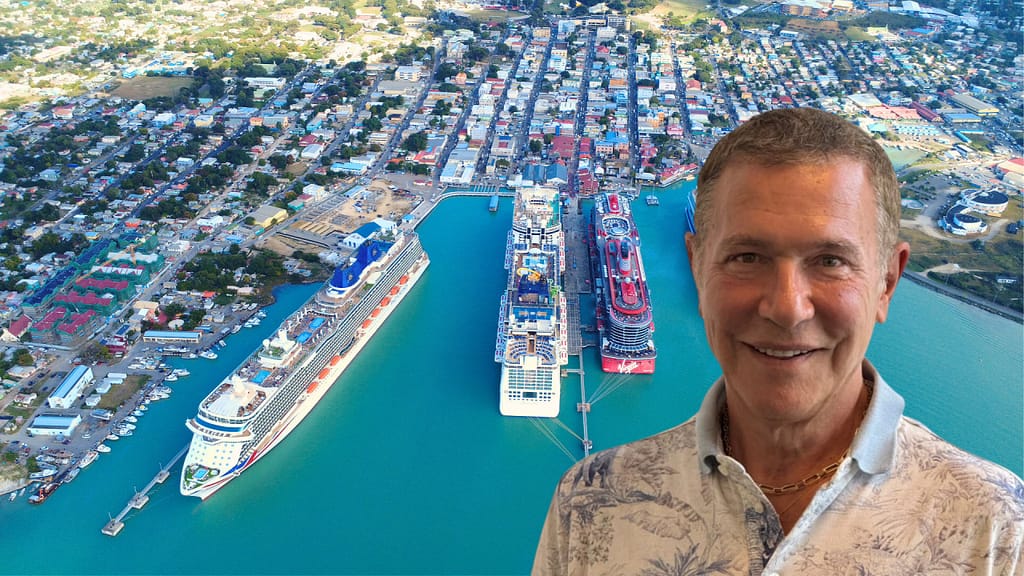
GPH’s Caribbean strategy centers on developing major home porting facilities, with Antigua serving as the flagship transformation. Since acquiring the port in 2019, the company has revolutionized operations from zero home porting passengers to an anticipated 60,000-70,000 passengers this year. Kutman projects this will reach 250,000 within three years following the November completion of a dedicated home port terminal.
The expansion extends beyond Antigua to St. Lucia, where construction is underway for completion by late 2024, and Puerto Rico, which already accommodates cruise vessels. This Caribbean network primarily targets European passengers, leveraging strong air connectivity particularly between Antigua and the United Kingdom.
European Infrastructure Milestone
In the Canary Islands, GPH is achieving a significant infrastructure milestone with Las Palmas set to become Europe’s largest single cruise terminal at 16,000 square meters. The facility will handle an estimated 1.5-1.7 million passengers annually with 50% home porting capacity. The development emphasizes environmental sustainability through solar panels, recycled materials, and eco-conscious construction methods.
Latin American Frontier
GPH is strategically targeting Latin America as the next growth frontier, with Colombia identified as the primary focus in Central America. The company’s carefully calibrated approach views Mexico’s ports as ‘very, very relevant,’ while Brazil, Honduras, and emerging markets represent promising new territories where innovative port management can transform local economies and passenger experiences.
Luxury Market Innovation
Recognizing the luxury cruise segment’s projected growth to 15-25 million passengers by 2028, Kutman is personally leading development of a white glove concierge service targeting ultra-high-end passengers. He notes that despite ships’ luxury amenities, passengers paying $15,000-30,000 for seven-day cruises currently receive inadequate port services.
Community Integration Philosophy
Central to GPH’s operational ethos is community integration. The company invests significantly in local scholarships, social programs, and training, preferentially working with local businesses over international chains. GPH maintains a globally diverse yet locally rooted workforce, drawing talent from 18-20 nationalities while prioritizing local leadership and limiting expatriate experts to initial transition periods.
Technological Solutions
Kutman’s technological vision focuses on intelligent solutions that enhance passenger experience while managing overtourism challenges. The company employs sophisticated software for real-time vessel tracking and AI-driven crowd management systems that include innovative approaches like replacing traditional tour group flags with discreet earphones to reduce visual pollution in destinations.
Strategic Acquisition Approach
GPH’s expansion strategy remains selective rather than ubiquitous. The Mediterranean represents their stronghold with 35-40% of cruise passengers, while Caribbean expansion continues with potential for two or three strategic acquisitions. The Far East and Mexican Riviera emerge as next strategic priorities, with Kutman emphasizing that the company’s success is measured by tangible community improvements rather than mere portfolio growth.
Kutman’s investment philosophy is straightforward: ‘If we don’t bring value to the destination, there’s no need for us to be there.’ This reflects his worldview that successful port operations must balance operational efficiency, technological innovation, and genuine commitment to both passenger experience and local communities, creating symbiotic relationships where ‘their benefit is our benefit.’