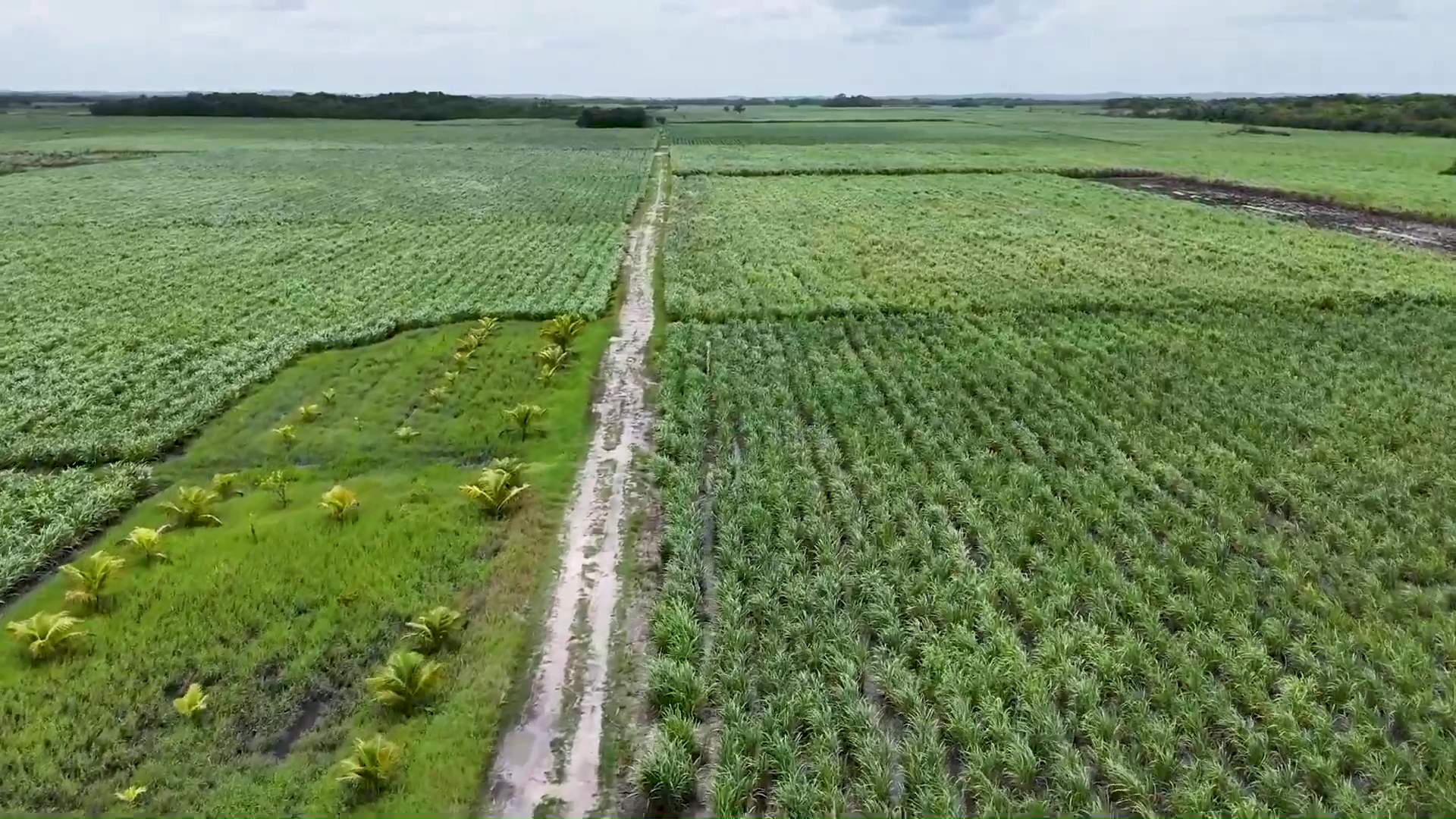
BELIZE CITY – A transformative $50 million climate resilience initiative is now underway to safeguard Northern Belize’s critically important sugar industry against escalating climate threats. The comprehensive intervention comes as prolonged droughts and increasingly erratic rainfall patterns devastate cane farming operations, threatening both livelihoods and national economic stability.
Dr. Colin Young, Executive Director of the CARICOM Climate Change Center, outlined the strategic components of this groundbreaking project during a recent briefing. “The effects of climate change are having a devastating impact on this industry, which serves as a lifeblood of the Belizean economy,” Young emphasized. “Our investment through the Green Climate Fund represents a comprehensive approach to building long-term resilience.”
The multifaceted program includes the introduction of climate-resistant sugarcane varieties, advanced land management techniques, and direct grants to support approximately 5,000 farming families. The initiative also focuses on capacity building and providing essential seed cane for replanting operations across affected regions.
Dr. Osmond Martinez, Belize’s Minister of State for Economic Transformation, highlighted the significance of the grant-based financing. “This demonstrates Belize’s growing capacity to mobilize critical climate finance,” Martinez stated. “The funding will enable field rejuvenation, transition toward mechanized systems, and implementation of modern irrigation infrastructure to move beyond traditional harvesting methods.”
With climate projections indicating increasingly dry conditions and unpredictable precipitation patterns, officials describe the investment as essential preparation for future environmental challenges. The program aims to construct robust systems that can minimize economic shocks to Belize’s agricultural sector while ensuring the long-term viability of sugar production in the region.