PANAMA CITY – Caribbean development priorities dominated the agenda at CAF’s International Economic Forum 2026, where regional leaders convened to address critical challenges facing small island economies. The Development Bank of Latin America and the Caribbean hosted its second annual forum, creating a strategic platform for high-level dialogue on sustainable growth frameworks.
The gathering featured significant participation from Caribbean nations, with over fifty delegates engaging in comprehensive discussions on climate resilience, infrastructure development, and innovative financing mechanisms. Jamaican Prime Minister Andrew Holness delivered a pivotal keynote address, emphasizing the necessity for Latin America and the Caribbean to actively shape their positions within the global economic architecture. Drawing from Jamaica’s recent experience with Hurricane Melissa, Holness underscored the critical importance of robust institutional frameworks and coordinated regional strategies to navigate international uncertainties.
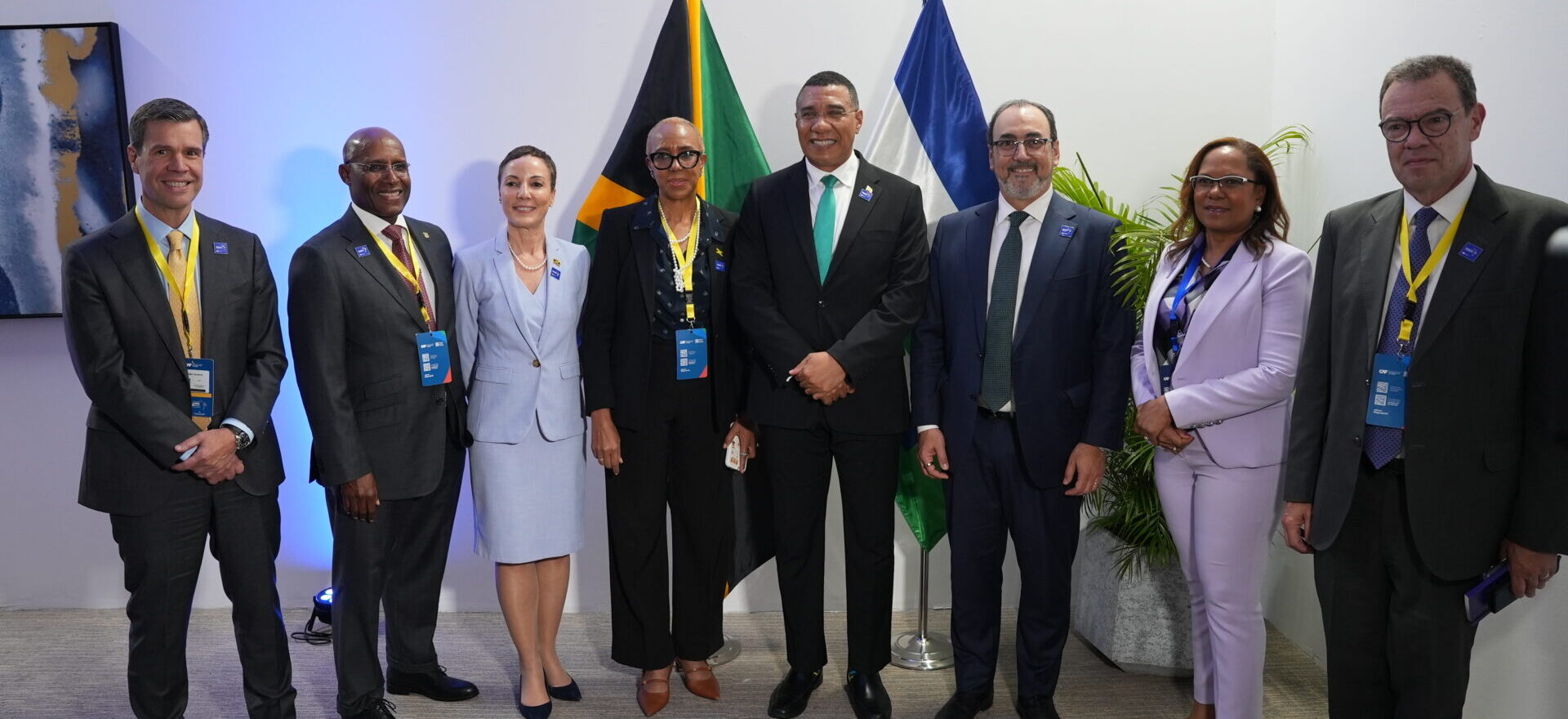
A landmark bilateral meeting occurred between Prime Minister Holness, senior Jamaican cabinet members, and CAF Executive President Sergio Díaz-Granados. This unprecedented dialogue focused on post-hurricane reconstruction coordination and the vital role of development finance in building sustainable economic recovery. The discussions marked the first such high-level engagement between Jamaican leadership and CAF administration.
The forum hosted a private Caribbean Ministerial Dialogue, bringing together finance and economic development ministers from across the region. This closed-door session facilitated alignment between CAF’s adaptable financing solutions and national development priorities, with particular emphasis on innovative funding mechanisms for Small Island Developing States (SIDS).
Parallel technical sessions addressed pressing regional issues including economic outlook analyses, blue economy potential, Africa-Caribbean relations, and tourism investment strategies. These discussions were complemented by confidential technical exchanges aimed at developing practical, actionable solutions for Caribbean development challenges.
A dedicated investment forum focused specifically on Jamaica’s recovery efforts, aiming to mobilize private sector capital for reconstruction projects. The session explored Public-Private Partnership models as catalysts for investment in priority sectors, with CAF committing USD 1 billion alongside international partners to support Jamaica’s long-term recovery.
Dr. Stacy Richards-Kennedy, CAF’s Regional Manager for the Caribbean, emphasized the organization’s commitment to amplifying Caribbean voices in global discussions. ‘The Caribbean faces unique challenges that must not be overshadowed by broader geopolitical concerns,’ she stated. ‘This forum provides essential space for meaningful dialogue addressing the multidimensional challenges confronting vulnerable small states.’
The 2026 edition attracted over 6,500 participants from 70 countries, including government officials, private sector leaders, academics, and development experts, making it one of the most significant gatherings for Latin American and Caribbean economic development discourse.