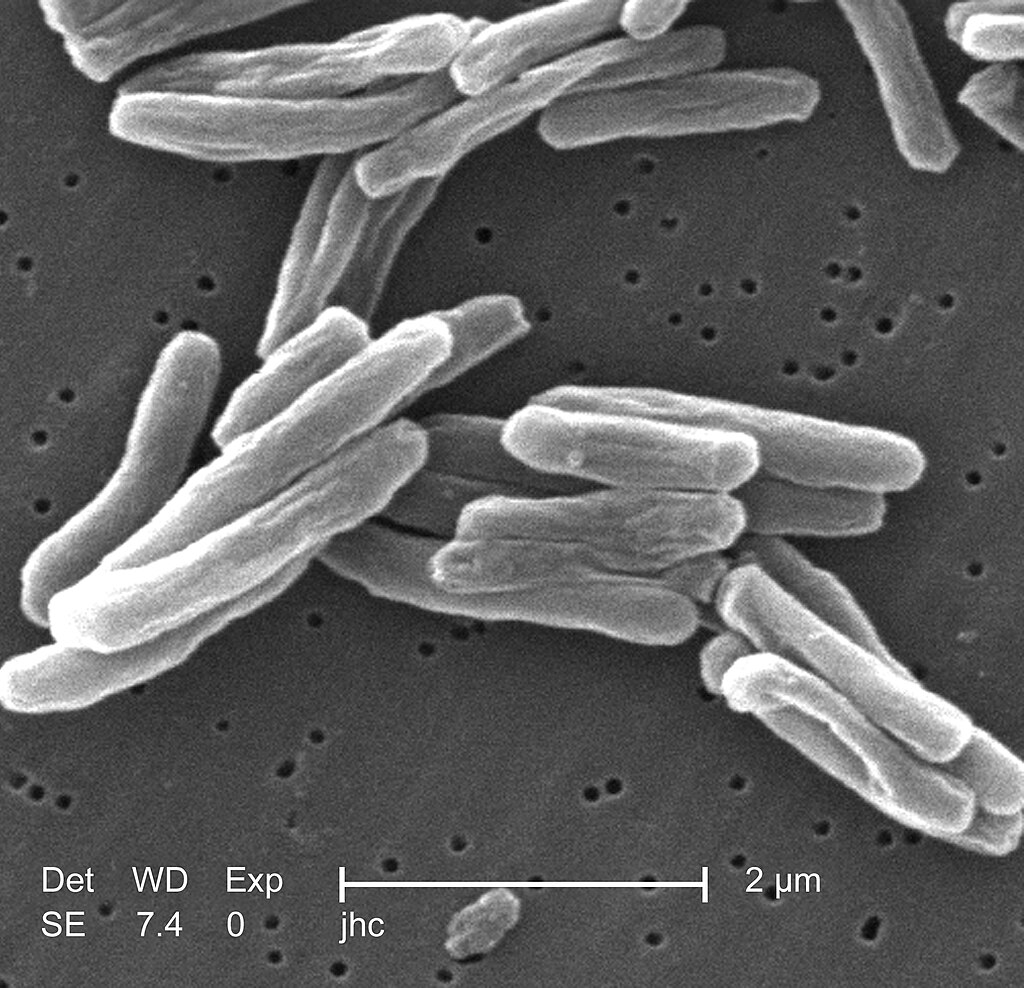
Health authorities in Grenada have launched a comprehensive investigation into multiple tuberculosis cases, with particular concern over pediatric infections. The Caribbean nation, which typically records just 2-3 annual TB cases, has already confirmed three active infections this year, signaling a potential public health anomaly.
Medical officials confirm all diagnosed patients are currently in isolation receiving specialized antibiotic treatment. Tuberculosis, a chronic bacterial infection primarily targeting the lungs, transmits through airborne respiratory droplets when infected individuals cough or sneeze. Transmission typically requires prolonged close contact, making household and close community interactions particularly significant for disease spread.
The Ministry of Health emphasizes the critical distinction between latent and active TB infections. Latent TB infection (LTBI) occurs when bacteria remain dormant without causing symptoms or contagiousness. Active disease emerges when compromised immune systems—often due to other illnesses or malnutrition—allow bacterial multiplication. Symptomatic active TB manifests through persistent productive cough, fever, fatigue, and unexplained weight loss.
Standard treatment involves a six-month antibiotic regimen that achieves full cure when completed. Left untreated, tuberculosis can prove fatal. The ministry’s protocol mandates thorough contact tracing for every diagnosed case, with exposed individuals receiving testing and preventive treatment for latent infections to dramatically reduce activation risks.
Health officials are urging full public cooperation with contact investigations as they work to contain transmission. The ministry’s response highlights the ongoing challenges of managing communicable diseases in small population centers, where each case represents a significant epidemiological event.