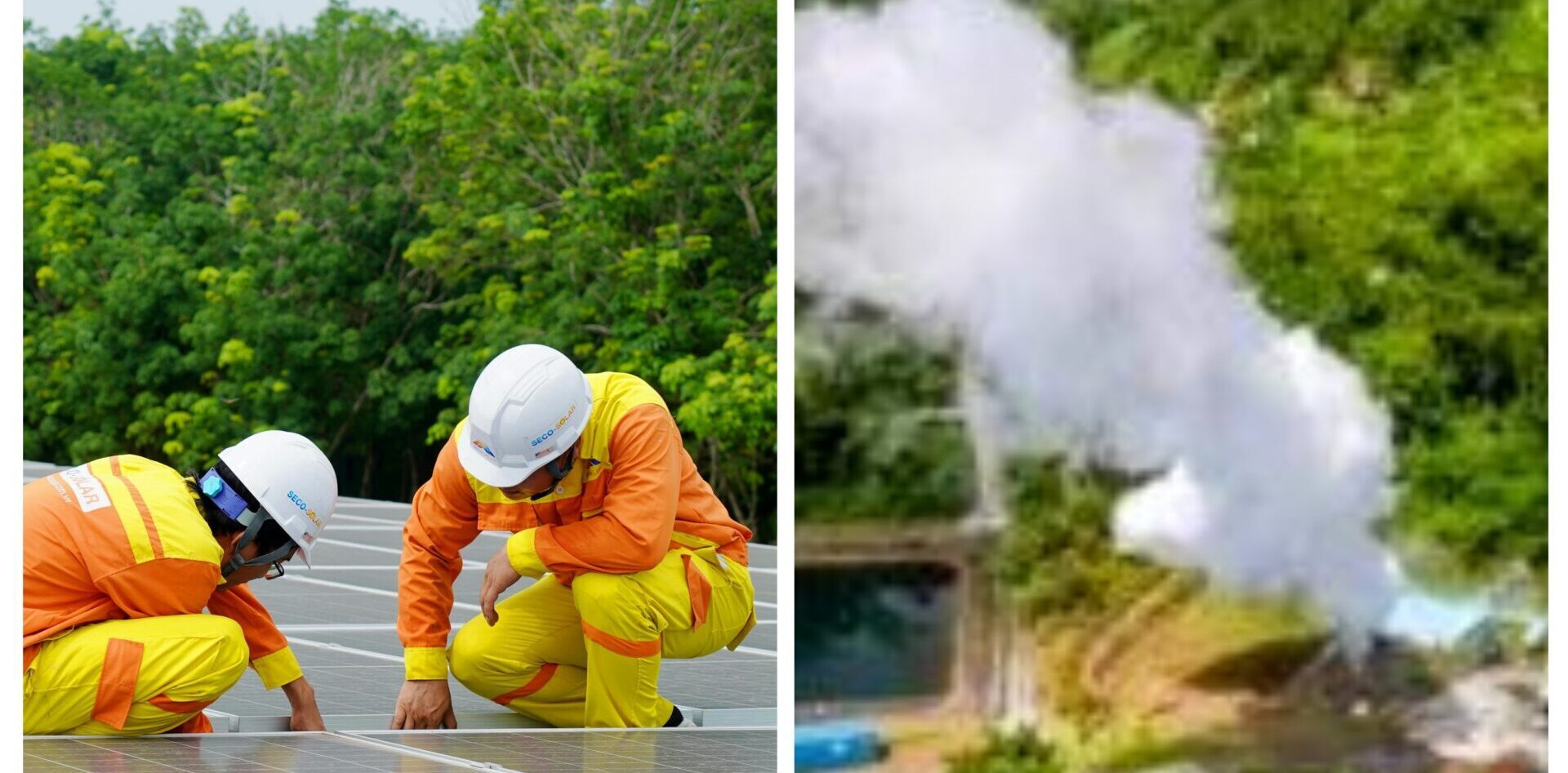
Nestled in the heart of the Lesser Antilles, the Commonwealth of Dominica lives up to its ‘Nature Island’ moniker. This volcanic territory, blessed with near-year-round sunshine, abundant rainfall, and powerful rivers, possesses a natural profile almost perfectly suited for renewable energy generation. For decades, this potential simmered quietly, with early adoption seen in household solar water heaters—objects of childhood curiosity for many Dominicans that symbolized a nascent green consciousness.
The narrative of energy in Dominica is now rapidly evolving, moving from individual households to the core of its small business sector. A cohort of local manufacturers, celebrated for their regional award-winning products, is grappling with the dual pressures of expansion and escalating energy costs. These enterprises, including producers of tropical snacks, pepper sauce, rum, and natural cosmetics, form the backbone of a local economy formalized by the 2018 Small and Micro Business Act.
Despite operating on a modest scale with fluctuating energy demands, growth is driving a critical reassessment of power sources. Interviews with business owners reveal a common trajectory: as production capacity expands with the addition of mixers, blenders, and refrigeration units, electricity consumption and costs rise in lockstep. This is not a sign of inefficiency but a direct correlation to increased output and operational frequency.
Currently, most rely on the national grid, operated by the Dominica Electricity Services (DOMLEC), which has harnessed hydro power since 1952. However, one standout example points to a viable alternative. Sea Cliff Eco Cottages and its on-site gin distillery operate entirely on solar energy, supported by battery storage. The distillery recently invested in a larger solar array to accommodate its growing energy needs, demonstrating a proactive commitment to energy independence.
The high initial investment for renewable technology remains a significant barrier for many. Yet, the long-term calculus is shifting. Businesses like Big G’s Pepper Pot view solar adoption as an essential cost-saving measure for future growth, stating, ‘Where there is growth, there is going to be expenses, and so the move towards renewable solar energy is to save even if it is a dollar.’ Others, like Bonnit Enterprises, are looking beyond solar to future opportunities in biogas, utilizing by-products from their food manufacturing.
The island’s looming energy solution casts a long shadow over these decisions: geothermal power. With a plant in the volcanic community of Laudat expected to be commissioned in 2026, a cautious optimism prevails. Business owners express hope that geothermal energy will deliver not only cleaner power but also the reliability and lower costs needed for competitiveness. For manufacturers like Jaydees Naturals, this promises an end to the disruptive outages and diesel shortages that crippled operations in 2022-2023, allowing for smoother production and reduced operational stress.
The journey from the solar water heater on a neighbor’s roof to a future-powered geothermal grid encapsulates Dominica’s energy transition. The ambition and innovation of its small business owners are clear. The extent to which the nation’s renewable energy infrastructure can keep pace with their growing demands will ultimately determine the sustainability and resilience of this vital economic sector.