In a significant expansion of Guyana’s social welfare program, Prime Minister Mark Phillips announced Monday that approximately 14,000 additional citizens who recently turned 18 years old will become eligible for the GY$100,000 (approximately US$480) cash grant initiative. The declaration came during parliamentary proceedings examining the proposed GY$1.558 trillion national budget for 2026.
The Prime Minister revealed that while over 600,000 individuals had previously registered for the initial cash distribution more than a year ago, government databases require updating to remove deceased beneficiaries while simultaneously incorporating the new cohort of young adults. This adjustment would bring the total number of eligible recipients to approximately 716,000 Guyanese citizens aged 18 and above, with disbursements expected to commence shortly after budget approval.
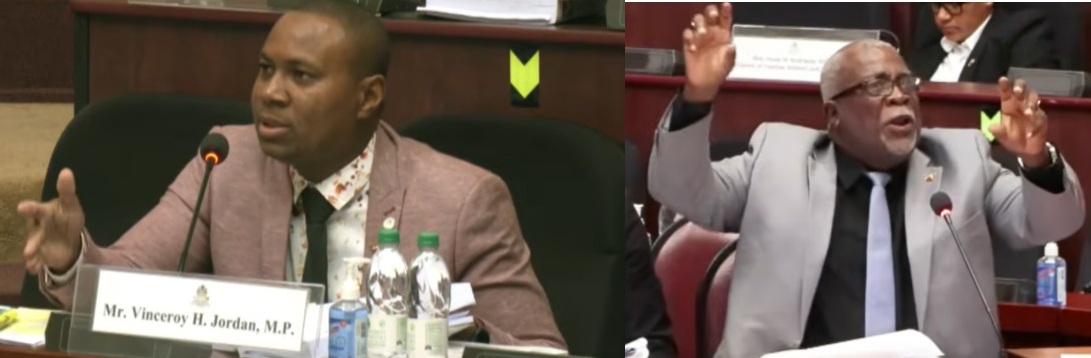
The announcement faced rigorous questioning from opposition parliamentarian Vinceroy Jordan of A Partnership for National Unity (APNU), who challenged the government’s methodology in determining the grant amount. Jordan specifically inquired about what economic analysis justified maintaining the GY$100,000 per person figure given the country’s elevated cost of living and poverty indicators in 2026.
Prime Minister Phillips notably avoided providing specific analytical details in response, instead directing attention to Finance Minister Dr. Ashni Singh’s extensive budget presentation that lasted over six hours. Phillips characterized the cash grant as merely one component of a broader “shared prosperity” strategy embedded within the budget, asserting that numerous other relief measures collectively addressed sufficiency concerns beyond the standalone cash transfer.
When Jordan persistently reiterated his inquiry for the third time, Phillips ultimately responded: “He talks about sufficiency. The simple answer here is sufficiency is $100,000 plus all the other measures in the budget,” effectively concluding the exchange without substantive economic justification.