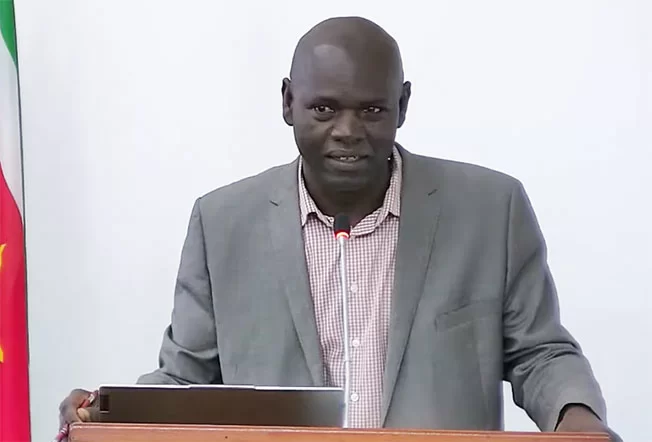
In a significant address to the National Assembly on Friday, Ronny Asabina, co-initiator of Suriname’s judicial reform package and BEP representative, emphatically defended the proposed legislative changes as essential measures to reinforce the nation’s rule of law rather than undermine individuals or institutions. Asabina revealed that the preparatory phase left “nothing to chance,” involving extensive consultations with stakeholders, experts, and civil society actors.
The parliamentarian expressed strong disapproval of what he characterized as a climate rife with “political games” and “false perceptions” surrounding the legislative debate. He specifically countered claims that the proposals aimed to relinquish “power over the Public Prosecutor’s Office and judiciary” or diminish the authority of the Attorney General. Despite the contentious atmosphere, Asabina acknowledged the process remained productive, with meaningful contributions emerging from multiple factions including opposition members.
Central to Asabina’s argument was addressing societal concerns about damaged legal perception and unequal application of justice. He emphasized institutional strengthening as crucial for restoring public trust, particularly referencing whistleblowers and citizen expectations that justice should be tangibly experienced by all. The need for expedited processing times and clear resolution deadlines within the criminal justice system emerged as recurring discussion points, with Asabina warning against perceived differential treatment between theft and corruption cases.
The proposed constitutional amendment recognizing indigenous peoples as original inhabitants held particular significance for Asabina, who shared personal experiences from interior communities questioning their Surinamese identity. He framed constitutional recognition as a matter of principle, noting Suriname’s international treaty obligations make such provisions legally defensible.
Regarding the introduction of cassation jurisprudence, Asabina highlighted broad support for this additional legal review mechanism, noting Suriname lags behind other nations in judicial modernization. He clarified that while the constitutional provision is currently debated, the specific model selection remains open for discussion.
The proposed College of Attorney General primarily aims to strengthen and restructure the Public Prosecutor’s Office through modernization, with expected benefits including efficiency, legal certainty, and improved checks and balances. Asabina stressed the importance of maintaining prosecutorial independence while acknowledging parliamentary support remains varied across proposal components.
Addressing criticism about changing his position on the retirement age reduction from 70 to 65, Asabina defended the possibility of correction based on new insights, noting judicial willingness to discuss age limits.
Concluding his address, Asabina emphasized that the process involves creating enabling conditions for improved legal protection rather than rushing to produce “ideal laws.” The initiators plan to pause after this round for further consultation with relevant actors, inviting all National Assembly members to share insights for developing a more broadly supported final product.