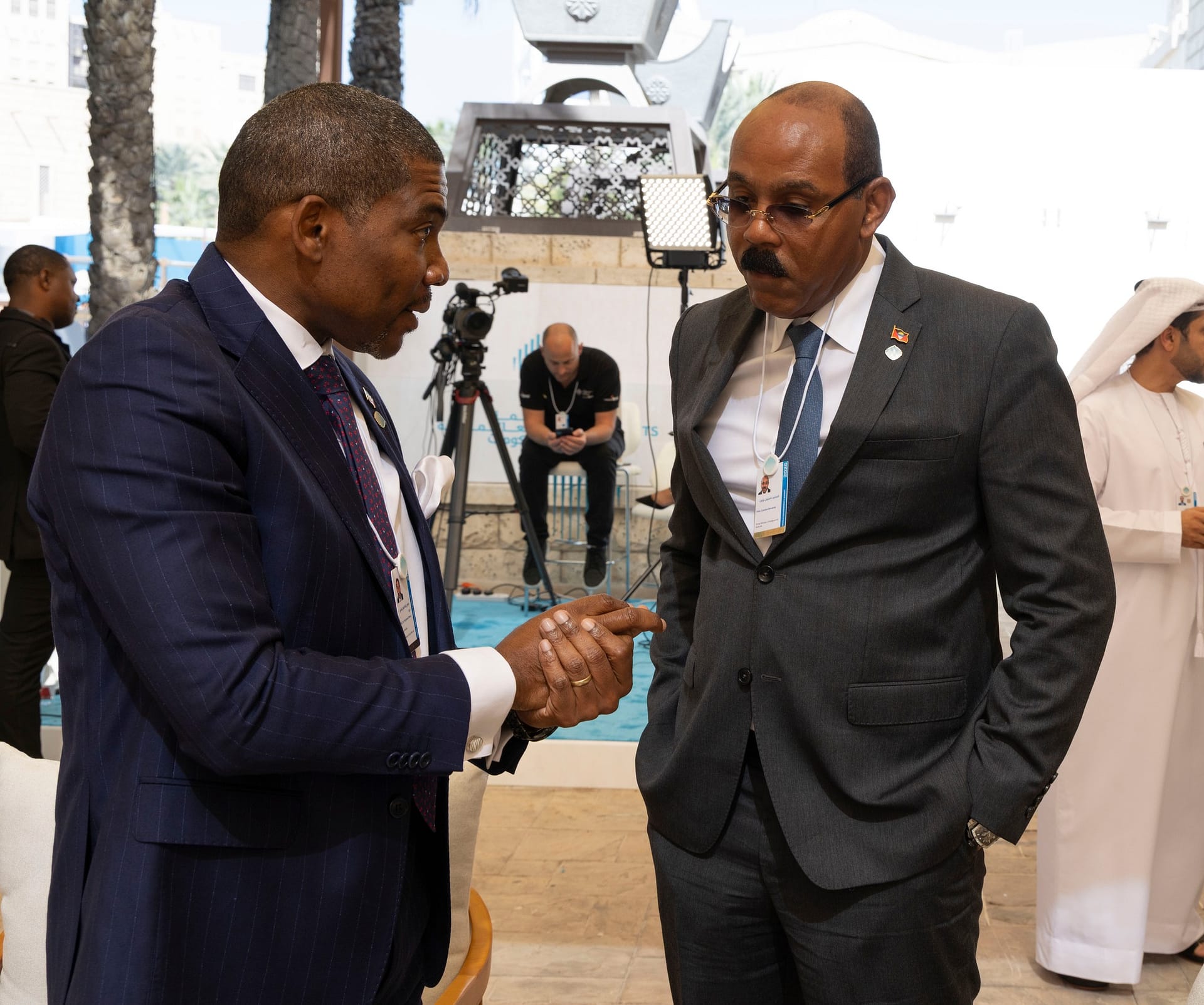
In a significant policy address at the World Government Summit in Dubai, Prime Minister Gaston Browne unveiled a transformative national strategy to fundamentally reposition Antigua and Barbuda’s tourism industry. Moving beyond traditional metrics of success, the government is implementing a comprehensive overhaul designed to convert tourism into a powerful engine for inclusive economic development.
Browne critically assessed the historical shortcomings of the tourism sector, describing it as operating too long as an ‘enclave industry’—successful in generating visitor arrivals and revenue but remaining critically disconnected from the broader national economy. This approach, while profitable for some, failed to deliver widespread benefits to the population.
The new vision centers on creating a high-value tourism model with intentional linkages across multiple economic sectors. Strategic connections to construction, agriculture, creative industries, transportation, financial services, and small business development form the cornerstone of this initiative. This integrated approach aims to ensure that more Antiguans and Barbudans can participate meaningfully and benefit substantially from the tourism economy.
Success indicators will be radically redefined under this new framework. Rather than focusing primarily on arrival numbers, the government will prioritize outcomes including increased domestic ownership, expanded entrepreneurship opportunities, livable wages for workers, higher visitor spending patterns, enhanced foreign exchange earnings, and more equitable tax revenue distribution.
As part of this strategic pivot, the administration is actively courting luxury tourism investments while simultaneously encouraging existing all-inclusive properties to upgrade their offerings. This dual approach seeks to establish Antigua and Barbuda as a premier high-end destination while elevating standards across the entire industry.
Browne emphasized that these transformative benefits will not materialize automatically. They require what he termed a ‘national reset’ of the tourism sector, supported by deliberate policy choices, targeted infrastructure investment, and comprehensive human capital development programs. The Prime Minister framed tourism not merely as an economic activity but as an overarching national development strategy touching all aspects of society—from physical infrastructure and cultural preservation to environmental stewardship and skills development.
This strategic repositioning addresses what Browne identified as the central challenge facing small island states: designing tourism-driven economies capable of delivering resilient growth, shared prosperity, and long-term sustainability amid ongoing global economic, environmental, and technological changes.