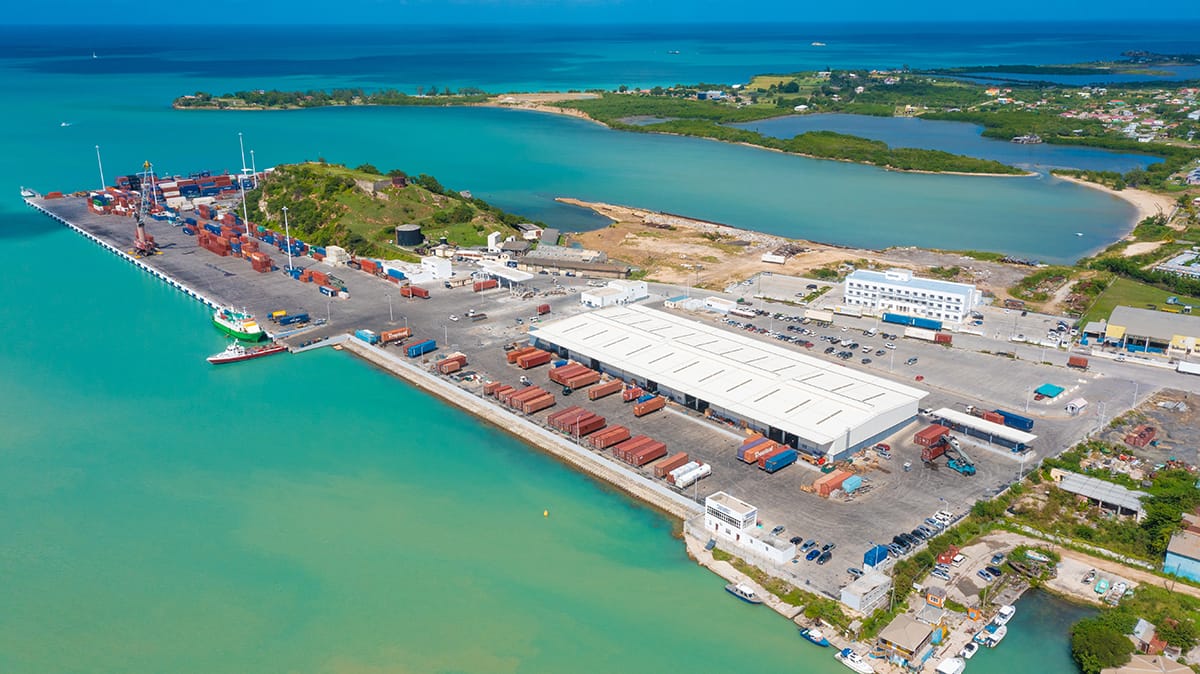
A comprehensive assessment by the International Monetary Fund (IMF) has identified inadequate air and maritime connectivity as critical impediments to Antigua and Barbuda’s economic competitiveness. The evaluation, conducted during an Article IV consultation mission to St. John’s in January, reveals that these infrastructure deficiencies severely constrain trade performance and diminish the nation’s capacity to withstand external economic disruptions.
The IMF’s concluding statement emphasized that enhanced transportation links are fundamental to improving Caribbean trade dynamics, fostering economic resilience, and achieving sustainable growth. The report specifically categorized shipping and air transport services as ‘binding constraints’ that adversely affect both trade operations and tourism potential—a vital sector for the dual-island nation.
In response to these findings, the IMF acknowledged ongoing and prospective upgrades to port and airport facilities as positive steps toward alleviating these bottlenecks. The institution recommended prioritizing the modernization of port infrastructure alongside digital transformation initiatives to create a more efficient trade ecosystem.
Beyond physical infrastructure, the assessment highlighted significant administrative challenges within customs procedures. IMF staff advocated for substantial reductions in bureaucratic obstacles, proposing the implementation of a unified electronic window for trade facilitation. This digital solution would potentially streamline processing protocols, enhance operational transparency, and significantly reduce administrative expenditures.
While projecting that strengthened connectivity and improved competitiveness could elevate potential economic growth and fortify resilience against external shocks, the IMF concurrently issued cautions regarding major infrastructure investments. The Fund advised that any substantial new projects should be preceded by rigorous cost-benefit analyses that thoroughly account for fiscal constraints and public debt implications.