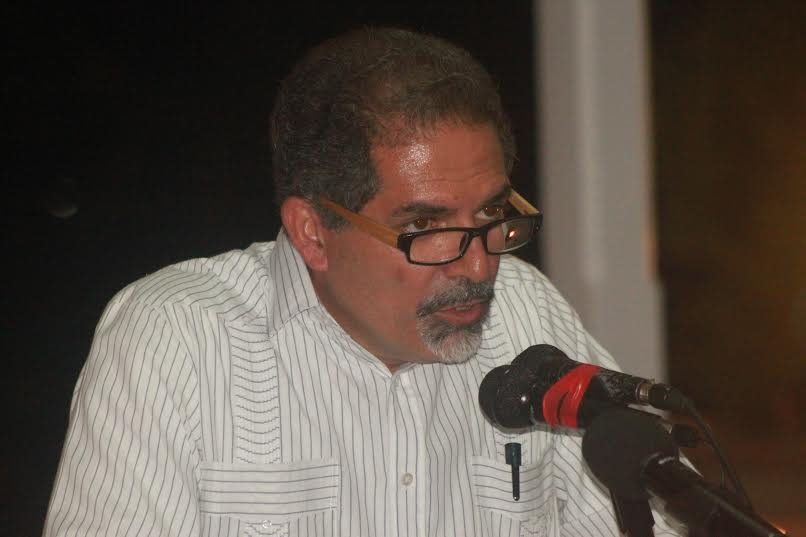
Dominica’s democratic foundations are facing unprecedented strain as the nation enters its eleventh month of suspended voter registration, prompting grave concerns from business leaders and political opposition alike. Prominent entrepreneur Gregor Nassief has sounded the alarm through a powerful public appeal published February 3rd on Dominica News Online, characterizing the ongoing registration freeze as a fundamental threat to electoral integrity.
The crisis stems from the Electoral Commission’s November announcement that voter registration would be temporarily halted pending implementation of a new technological system. Despite this lengthy suspension, Nassief notes that prospective registrants continue to be turned away with officials citing unprepared technology. This administrative paralysis particularly affects young first-time voters seeking to exercise their constitutional rights.
Nassief contextualizes this development within Dominica’s broader electoral reform process, noting that while reforms were passed in March 2025 to strengthen democratic institutions, critical recommendations from Sir Denis Byron remain unaddressed. These include campaign finance regulations, residency requirements, anti-bribery safeguards, equitable media access, and limitations on state resource utilization during campaigns.
The business leader has called for a nationwide, cross-party campaign involving civil society to ensure all eligible voters can register, demanding prompt remediation of what he terms an ‘eleven-month breach of law.’ He issued a stark warning that calling snap elections during this registration suspension would constitute ‘an abomination of our democratic institutions.’
Echoing these concerns, the United Progressive Party (UPP) under Joshua Francis’ leadership released a February 4th statement condemning the suspension as a clear violation of electoral law. The party specifically referenced Section 17(1) of the Registration of Electors Act (2025), which mandates continuous registration of qualified electors.
The UPP highlighted a January 12, 2026 incident where a citizen was denied registration due to unready software, arguing such administrative failures not only disenfranchise voters but expose the government and Electoral Commission to serious legal consequences including constitutional challenges and judicial review.
Both Nassief and the UPP emphasize that the Prime Minister’s constitutional authority to call elections at any moment creates particular urgency, as suspended registration could lead to widespread disenfranchisement. They have called for immediate registration resumption, public explanation from the Electoral Commission, government accountability, and independent review of the electoral reform process.
Civil society organizations, legal professionals, and international observers are being urged to monitor the situation closely, with stakeholders emphasizing that true electoral reform must not only be fair but must be perceived as fair while maintaining full legal compliance.