Bangladesh stands at a critical geopolitical crossroads as it approaches its first national elections since the 2024 ousting of Prime Minister Sheikh Hasina and her Awami League party. The political transition has triggered significant realignments in the nation’s foreign relations, with neighboring powers India, Pakistan, and China closely monitoring developments that could alter regional power dynamics.
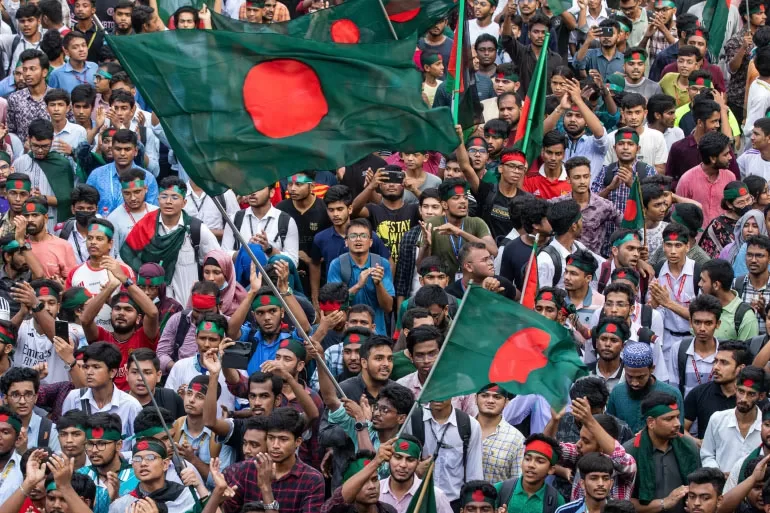
Currently governed by an interim administration led by Nobel laureate Muhammad Yunus, Bangladesh’s electoral landscape is dominated by the Bangladesh Nationalist Party (BNP) and Jamaat-e-Islami (JIB), both of which launched their campaigns in late January. The Awami League, historically maintaining strong ties with India, remains excluded from participation due to its role in the violent suppression of student protests in 2024 that resulted in 1,400 casualties.
The 78-year-old Hasina, now residing in exile in India, was convicted in absentia by Bangladesh’s International Crimes Tribunal last November and sentenced to death. India’s continued refusal to extradite the former leader has significantly strained bilateral relations, with Hasina herself condemning the upcoming elections as “a government born of exclusion that cannot unite a divided nation.”
Political analysts observe a dramatic paradigm shift in Bangladesh’s geopolitical orientation since Hasina’s removal. Relations with India have deteriorated to historical lows amid growing anti-India sentiments and trade restrictions, while connections with Pakistan have noticeably improved and strategic ties with China have substantially deepened.
India’s strategic concerns center on maintaining a cooperative government in Dhaka that won’t threaten its interests. Despite tensions, Prime Minister Narendra Modi and interim leader Yunus met in Bangkok last April, reaffirming commitments to a stable and peaceful Bangladesh.
Pakistan has actively capitalized on the political transition, with Prime Minister Shehbaz Sharif and Minister Ishaq Dar visiting to strengthen military and diplomatic ties. The restoration of direct trade and aviation links after years of interruption signals warming relations, with Pakistan particularly favoring a JIB-led government but accepting BNP leadership provided it doesn’t restore ties with India.
China has emerged as a pragmatically engaged power, maintaining consistent relations with Dhaka since 1975 regardless of governing parties. The Yunus administration has already secured over $2 billion in Chinese investments and loans, with discussions ongoing about combat aircraft acquisitions and cooperation on Rohingya refugee management.
Beijing views political stability in Bangladesh as crucial for protecting its substantial investments and has maintained communications with multiple parties since last year. China’s neutral stance supports any government that preserves its interests, reflecting its growing influence across South Asia.
The election outcomes will significantly impact regional dynamics: India seeks cooperative partnership, Pakistan prefers Islamist leadership but accepts alternatives, while China maintains pragmatic neutrality. Analysts emphasize that despite campaign rhetoric, any new government must ultimately prioritize pragmatic cooperation with regional powers and global stakeholders.