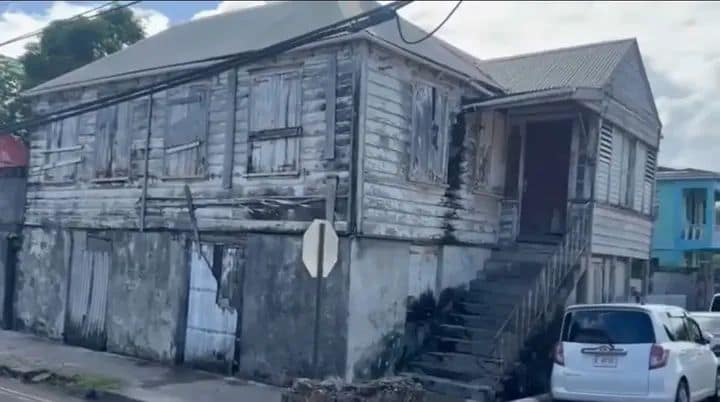
The decaying state of St. John’s has sparked intense debate over responsibility, with evidence pointing to systemic government failure rather than solely private citizen neglect. For over three decades, the St. John’s Development Corporation—the government agency specifically tasked with urban development—has presided over the city’s dramatic infrastructure decline while officials publicly deflect blame onto property owners.
A walking tour through the city reveals extensive deterioration: dangerously uneven roads and sidewalks, corroded sidewalk grills, non-functional drainage systems creating public health concerns, and tattered road markings. The urban environment suffers from inadequate parking, irrational traffic flows, and visibly neglected public spaces that deter investment.
This infrastructure collapse has created a self-perpetuating cycle where property owners see little value in reinvesting. The evidence appears in the exodus of businesses from the city center and the absence of new private construction projects. Notably abandoned government buildings—including the Social Security building, Ministry of Agriculture building, and former parliament structure—stand as monuments to institutional neglect.
Critics question the timing of recent cleanup initiatives, suggesting they coincide with the upcoming Commonwealth Heads of Government Meeting rather than genuine civic concern. The pattern indicates government attention primarily emerges when international observers are involved.
The core issue remains accountability: until government acknowledges its role in creating this deterioration through the St. John’s Development Corporation’s failures, sustainable solutions remain unlikely. The city’s challenges represent 44 years of accumulated neglect that cannot be resolved through short-term measures motivated by diplomatic appearances.