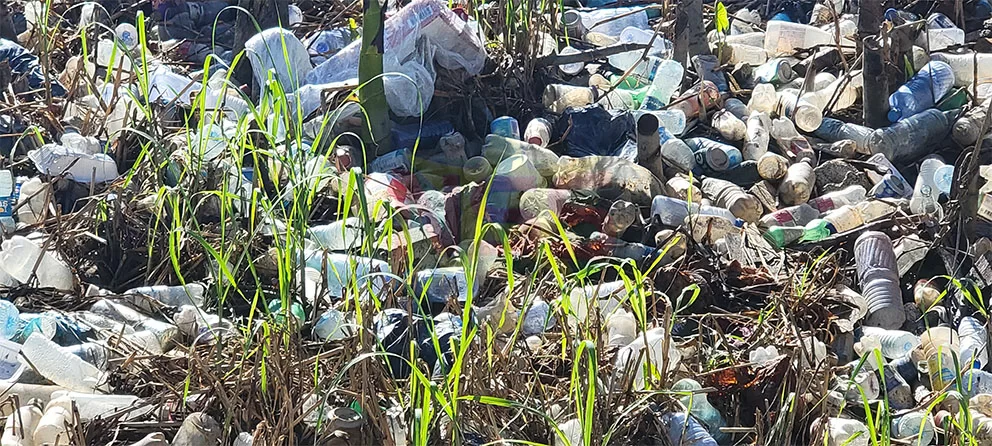
Suriname faces a mounting public health crisis as chikungunya virus resurges after more than a decade, exposing critical failures in environmental management and community responsibility. The Aedes aegypti mosquito—known vector for multiple diseases—is thriving in urban areas due to widespread accumulation of discarded containers and stagnant water sources.
Health authorities have launched emergency response measures, including targeted waste collection in neighborhoods reporting the highest infection rates. This intervention comes as citizens experience characteristic symptoms including high fever and severe joint pain, creating significant healthcare pressures.
Historical context reveals a concerning regression: previously effective environmental inspection systems that methodically documented household compliance with sanitation standards have gradually eroded. While the environmental service department remains operational, its enforcement capabilities have diminished over time despite the growing threat.
The current outbreak underscores a painful reality that environmental cleanliness constitutes the first line of defense against vector-borne diseases. Each improperly discarded plastic bottle and abandoned container serves as potential breeding ground for mosquitoes, which require minimal water for reproduction.
Public health experts emphasize that government action alone cannot resolve the crisis. Community participation is essential—from reporting illegal dumping to maintaining clean residential surroundings. The article calls for renewed social accountability, urging citizens to confront neighbors whose negligent practices endanger collective wellbeing.
This health emergency demonstrates the inseparable connection between environmental stewardship and disease prevention. Sustainable solutions require cultural shift toward recognizing that public health begins with individual responsibility for maintaining clean streets, yards, and communities.