Global financial markets experienced broad-based gains on Thursday, propelled by robust corporate earnings optimism while gold prices shattered records for the ninth consecutive session, breaching the $5,500 per ounce threshold. The simultaneous surge in oil prices, driven by escalating geopolitical tensions between the United States and Iran, further fueled market momentum.
European equities demonstrated strength with the Euro STOXX 600 index advancing 0.5%, primarily driven by rising oil and precious metal prices. Major European exchanges in the United Kingdom, Spain, and France posted gains, while Germany’s DAX index declined 0.9% following disappointing economic data releases.
Market participants continue to rely on strong corporate earnings to maintain equity attractiveness amid diminishing expectations for Federal Reserve rate cuts before summer. The Federal Reserve maintained current interest rates during Wednesday’s meeting, emphasizing a “clearly improving” economic outlook. Chairman Jerome Powell remained silent regarding his future as Fed governor following his scheduled departure as chair in May.
Deutsche Bank analysts suggest the Powell-led Fed may have implemented its final rate cut, with increasing balance between risks regarding additional reductions this year.
Wall Street’s attention centered on Apple, with JPMorgan anticipating quarterly results exceeding expectations due to strong iPhone 17 demand and moderating cost increases. S&P 500 and Nasdaq futures edged higher despite Microsoft’s disappointing figures, offset by Meta’s upgraded revenue and investment projections for 2026.
Gold surged 2.2% to approximately $5,594 per ounce, achieving nearly 28% monthly gains. Silver similarly benefited, climbing above $120 per ounce. This precious metal rally contributed to a 3% increase in European basic materials indexes, reaching levels unseen since May 2008.
Oil prices reached four-month highs following President Trump’s warnings to Iran regarding potential attacks absent nuclear agreement progress. Brent crude advanced 2.5% to $70.11 per barrel, while U.S. crude rose 2.6% to $64.83 per barrel.
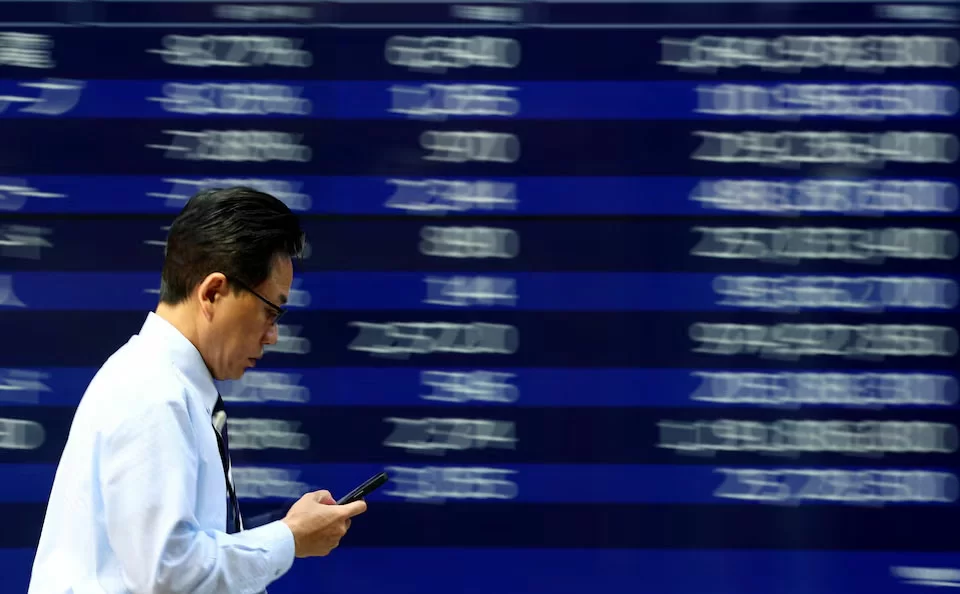
Asian markets remained largely stable, with exceptions including South Korea’s 0.6% gain, bringing monthly advances to an impressive 23%. Taiwan’s technology exchange has climbed nearly 13% since January’s commencement.
Microsoft shares declined 6.5% amid investment profitability concerns, while Meta’s after-hours trading surged 8% following raised 2026 revenue and investment guidance.
The U.S. dollar faced continued pressure due to policy uncertainty and expanding national debt. The dollar index registered 96.36 against currency baskets, nearing Tuesday’s four-year low of 95.57. Despite U.S. officials advocating for dollar strength, European leaders expressed concern over the decline, with the European Central Bank suggesting a strong euro might justify rate reductions. The euro gained 0.2% to $1.1979, while the dollar weakened against the Swiss franc and Japanese yen.