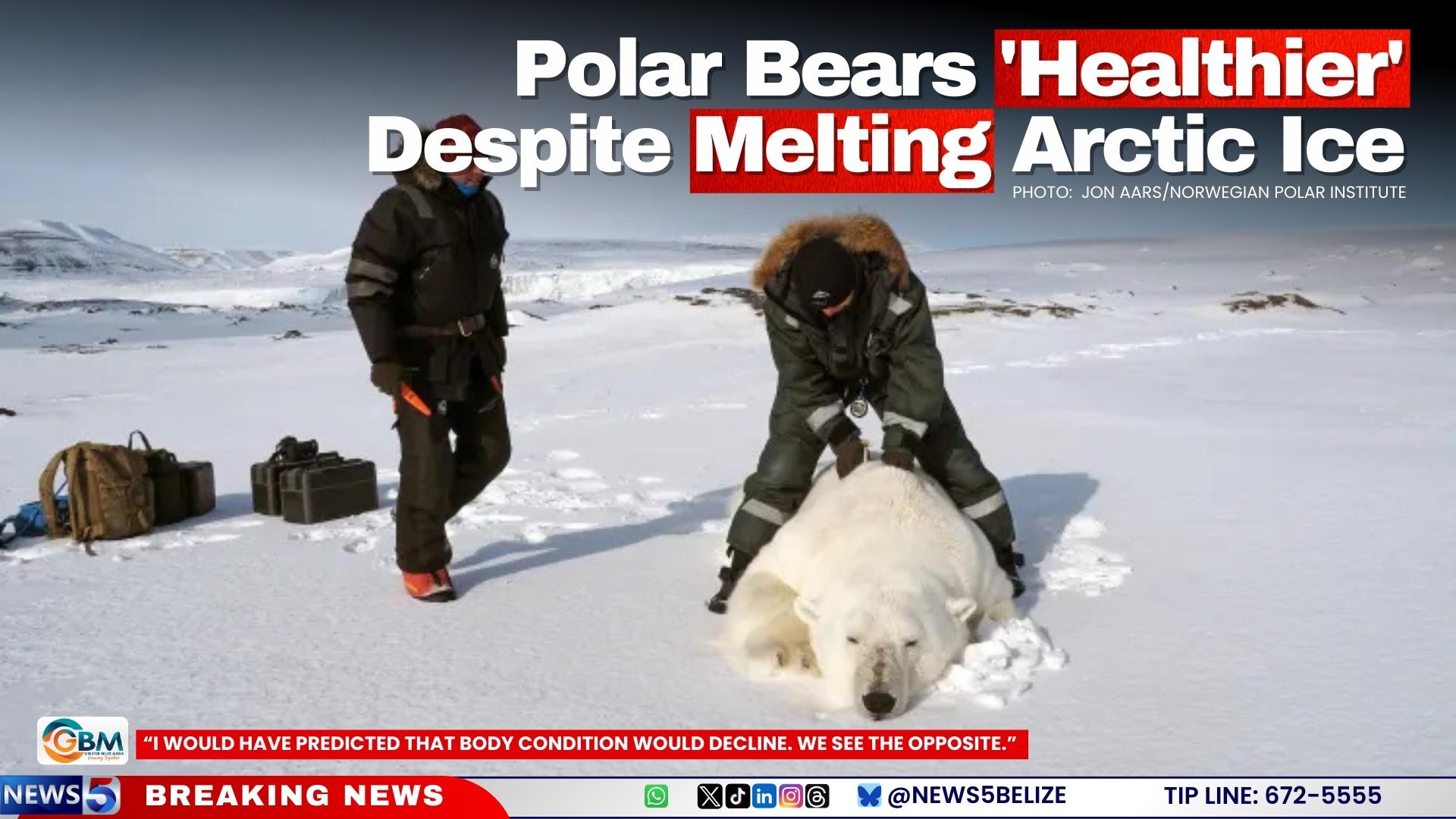
In a surprising ecological development, polar bears inhabiting Norway’s Svalbard archipelago demonstrate significantly improved physical condition compared to two decades ago, according to groundbreaking research published in Scientific Reports. The comprehensive study, tracking hundreds of bears between 1992 and 2019, reveals that body condition metrics began improving from the year 2000 onward—a period during which the region lost approximately 100 days of sea ice coverage.
Lead author Jon Aars of the Norwegian Polar Institute expressed astonishment at the findings: “I would have predicted that body condition would decline. We observe precisely the opposite phenomenon.” The research indicates the Svalbard population remains stable or potentially growing, challenging conventional assumptions about polar bear vulnerability.
The study suggests these Arctic predators have adapted their feeding strategies, supplementing traditional seal hunting with terrestrial food sources including reindeer and scavenged walrus remains. This behavioral flexibility appears to have compensated for reduced hunting opportunities on diminishing sea ice.
University of Washington polar researcher Kristin Laidre notes the findings complicate simplistic narratives: “People often receive a message of total doom regarding polar bears. This research demonstrates significant regional variability in how bear populations are responding to environmental changes.”
While climate change continues to pose the most substantial threat to Arctic species worldwide, this research reveals unexpected resilience in certain polar bear populations, suggesting their survival mechanisms are more complex and adaptable than previously understood.