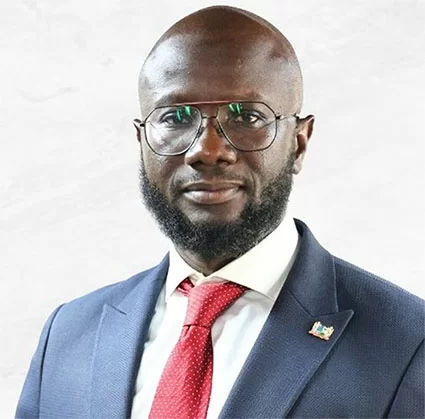
Surinamese lawmakers leading a comprehensive judicial reform initiative remain steadfast in their position following recent public discussions and expert lectures on modernizing the nation’s legal system. Parliamentarian Ebu Jones, speaking with Starnieuws, confirmed that the necessity for overhauling the Public Prosecutor’s Office and establishing a third judicial instance remains undiminished despite varied opinions expressed during public debates.
Jones, alongside five coalition colleagues, submitted four legislative initiatives last month to enact constitutional amendments enabling these transformative changes. The proposed reforms include creating a cassation court as a third judicial tier and restructuring the Public Prosecutor’s Office into a collective leadership model. According to Jones, international comparative studies presented during expert sessions demonstrated that Suriname faces similar institutional challenges as other nations undergoing judicial modernization.
Regarding the third judicial instance, Jones reported achieving broad consensus about its necessity, though the specific model remains under discussion. Suriname must decide between developing a unique national system or adopting a regional framework such as the Caribbean Court of Justice. The proposed constitutional amendments would strategically preserve both options for future governmental consideration.
The initiative has garnered unexpected support from within the judicial establishment itself. Jones revealed that the current Attorney General has explicitly acknowledged the imperative for systemic modernization, recognizing that the Public Prosecutor’s Office cannot continue operating under its existing structure. This institutional endorsement aligns perfectly with the reformers’ objective of strengthening the system rather than targeting individual officials.
The proposed transition to a collective prosecutorial authority—a College of Attorneys-General—faced no fundamental objections during expert examinations. While discussions thoroughly examined both the advantages and challenges of various systems, critics failed to present substantive arguments against the reform’s compatibility with Suriname’s legal framework. Conversely, participants widely agreed that the current system requires substantial renewal.
Lawmakers vehemently dismissed allegations that the reforms conceal political retaliation or ethnic agendas, characterizing such claims as unfounded and unprofessional. Jones emphasized that the initiative specifically aims to diminish individual influence while enhancing institutional trust through distributed decision-making among multiple qualified officials.
The constitutional nature of appointing attorneys-general further safeguards against politicization, as the process involves the head of state following strict expertise requirements and judicial advisory input. The parliamentary committee preparing today’s public hearing has maintained the original proposals without modifications, though new insights may be incorporated through amendments during legislative debate.
Constitutional changes require a two-thirds majority (34 votes), which Jones believes is achievable within the coalition, though parliamentary discussions may evolve unpredictably. Implementation timing remains uncertain, dependent on legislative proceedings intensity within the National Assembly. Following constitutional amendments, supplementary implementation laws must be enacted before reforms take practical effect.