The Grenadian government is currently evaluating a potential memorandum of understanding with the United States that would involve receiving third-country nationals deported from American territory. This strategic consideration emerges as the Caribbean nation confronts persistent workforce deficiencies across critical sectors including construction, agriculture, and hospitality services.
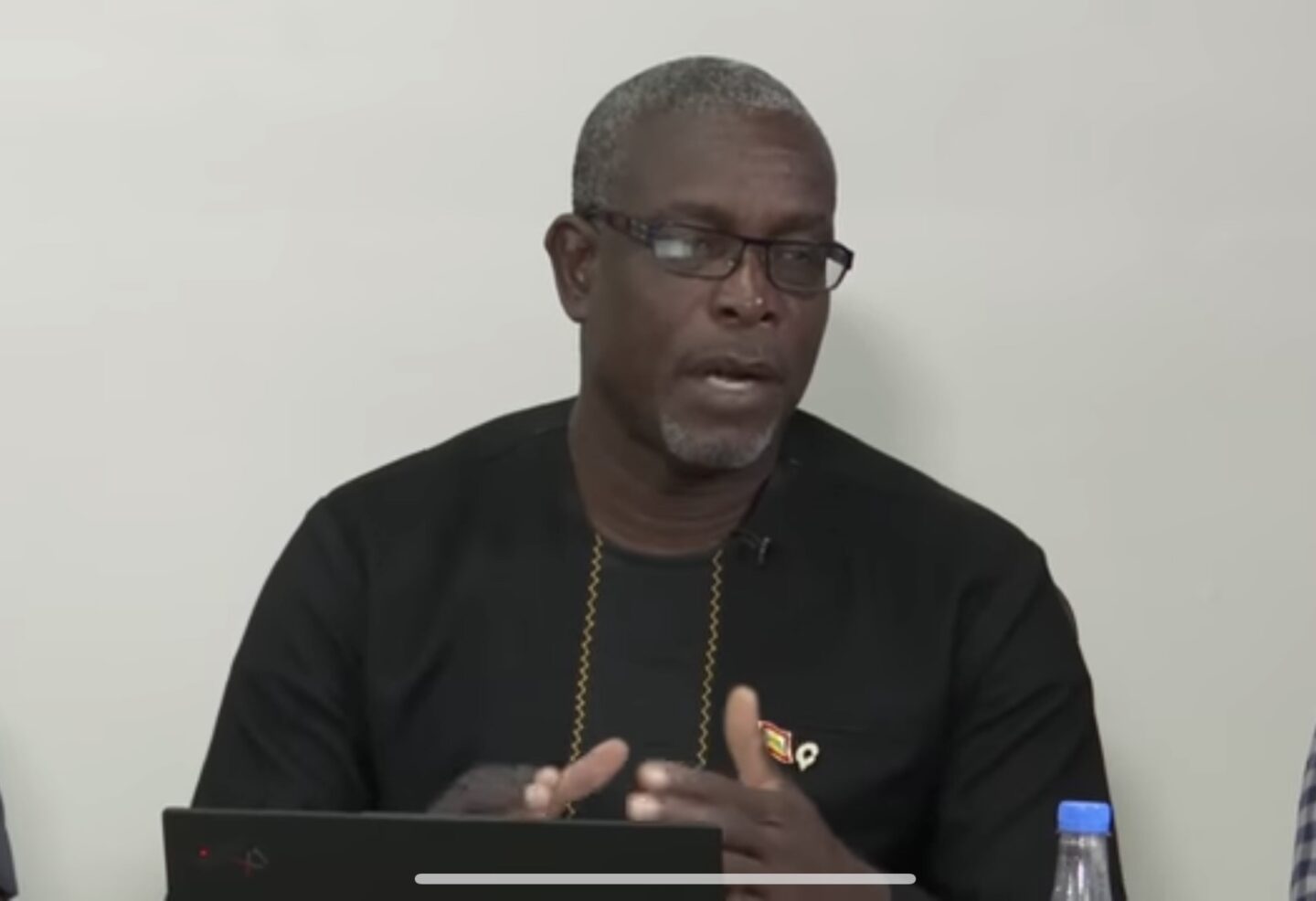
Prime Minister Dickon Mitchell confirmed during a recent post-Cabinet briefing in St. George’s that his administration has formally expressed interest in accessing workers through the ‘third-country nationals transferee’ framework. This initiative forms part of a broader United States program to relocate individuals who cannot be readily repatriated to their countries of origin.
Mitchell articulated specific conditions for participation, stating that Grenada would only welcome individuals who are physically capable, possess relevant skills, and maintain clean criminal records—excluding violations of US immigration statutes. The Prime Minister emphatically noted that financial responsibility for transportation and resettlement must rest entirely with the United States government, with Grenada retaining full discretionary authority over final participation decisions.
Foreign Affairs Minister Joseph Andall further elaborated that any acceptance of transferees would be strictly conditional and grounded in international legal standards. The government insists that all individuals must receive comprehensive protections under international human rights conventions, including safeguards against torture, arbitrary treatment, and discrimination based on race, religion, or other status indicators.
This development occurs within a broader regional context where Caribbean nations have adopted varied approaches to similar US proposals. While Dominica has established agreements for accepting third-country refugees subject to security vetting, and Antigua and Barbuda have engaged in framework discussions emphasizing stringent controls, Grenada’s cautious deliberation reflects both humanitarian concerns and practical labor market needs.
The government maintains optimism that carefully vetted skilled workers could alleviate mounting labor pressures, though officials acknowledge the complex humanitarian dimensions involved, particularly for individuals facing potentially dangerous conditions in their home countries.