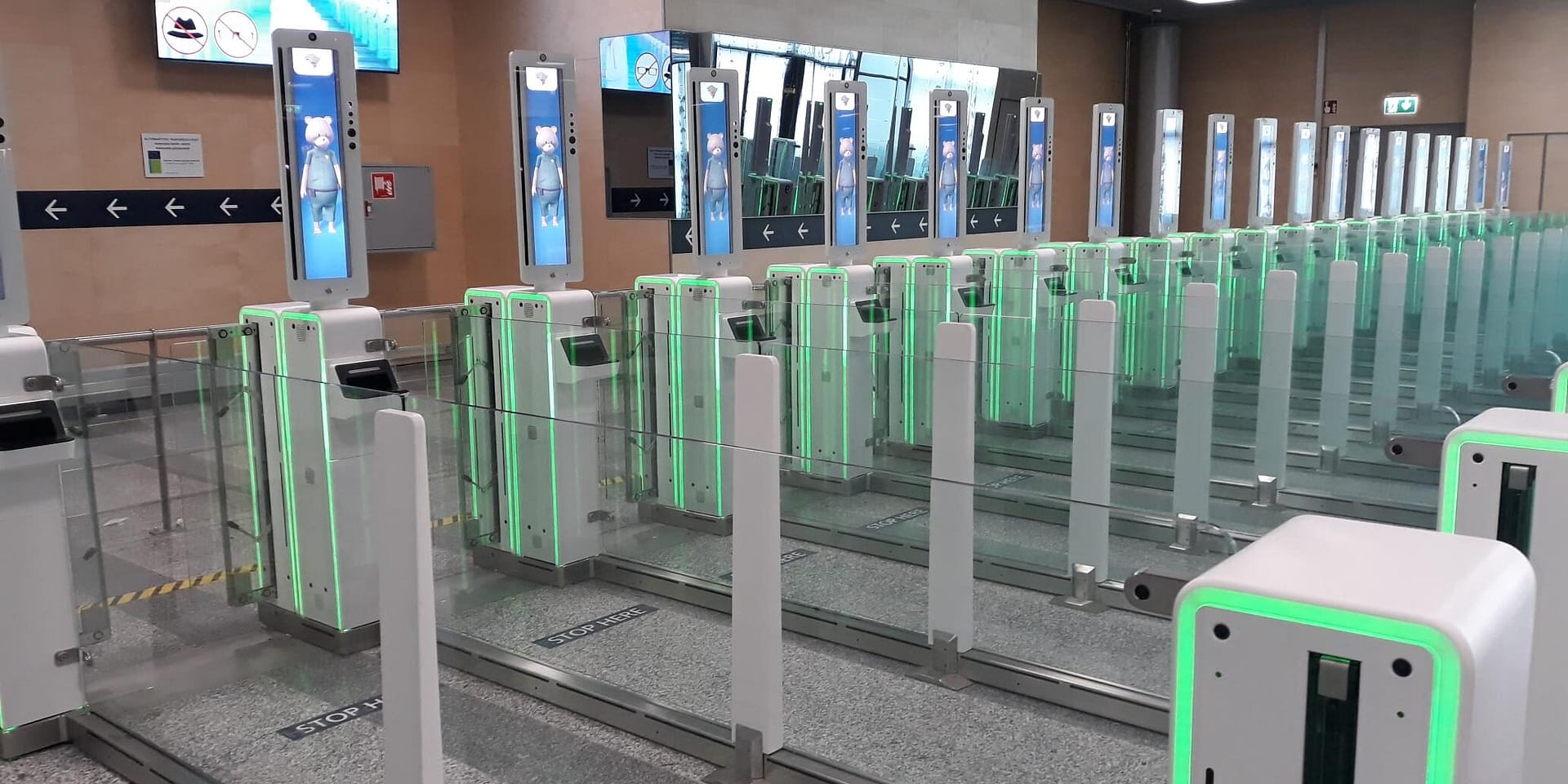
The Caribbean nation of Antigua and Barbuda has embarked on a transformative digital overhaul of its immigration infrastructure following cabinet approval for automated electronic gates (e-gates) at all aerial and maritime ports. This strategic modernization initiative represents a fundamental shift from manual processing to a fully automated border management ecosystem.
Communications Director General Maurice Merchant characterized the technological upgrade as a necessary response to evolving efficiency demands at ports of entry. The new infrastructure will enable travelers to self-process arrivals through electronic passport scanning at high-speed kiosks, effectively eliminating traditional manual checkpoints.
The sophisticated system incorporates enhanced passenger screening mechanisms with automated data processing capabilities, creating operational consistency across both air and sea ports. Merchant emphasized that beyond processing efficiency, the government is implementing advanced biometric integration to strengthen national security protocols.
Critical security enhancements include expanded fingerprint databases, real-time watchlist synchronization with international law enforcement networks, and upgraded reporting tools. The system maintains full compliance with International Civil Aviation Organization standards while accommodating future technological developments including next-generation e-passports.
Merchant underscored the dual-purpose nature of the initiative: “This transcends mere processing acceleration—it concerns border integrity. Through real-time biometric verification, we’re establishing a hostile environment for unlawful entry while maintaining welcoming access for legitimate travelers.”
The technology deployment ensures uniform security protocols whether arriving at V.C. Bird International Airport or through maritime heritage quays. Designed with future-proof capabilities, the system positions Antigua and Barbuda at the forefront of global travel innovation while providing comprehensive coverage across both islands.
Implementation is scheduled to commence imminently, with government officials anticipating a seamless transition that minimizes disruption to existing travel schedules.