The agricultural landscape across the Caribbean, with a focused lens on Antigua and Barbuda, represents a dynamic fusion of historical tradition and technological innovation. This sector demonstrates remarkable resilience in confronting persistent challenges such as climate volatility, land constraints, and food import dependency. The evolution from colonial-era sugarcane monoculture to today’s diversified and tech-integrated approaches illustrates a significant regional transformation.
Historical agricultural methods continue to form the foundational layer of Caribbean farming. Generational knowledge sustains practices such as intercropping—where cassava, maize, and pulses are cultivated together—to enhance soil health and ensure crop variety. Livestock rearing remains integral to rural livelihoods, though mindful management is essential to prevent overgrazing and land degradation.
In response to increasing climate disruptions, including intensified hurricanes and irregular precipitation, farmers are adopting climate-smart methodologies. These strategies encompass the cultivation of drought-resistant crop varieties, advanced water conservation through rainwater harvesting and drip irrigation, and soil preservation techniques like contour farming and mulching.
Sustainability is now a central pillar of modern agricultural development. Agroforestry systems, which incorporate fruit trees into farming plots, not only improve biodiversity but also act as natural windbreaks during storms. There is a growing shift toward agroecology, emphasizing organic alternatives such as biofertilizers and biopesticides to minimize ecological footprints.
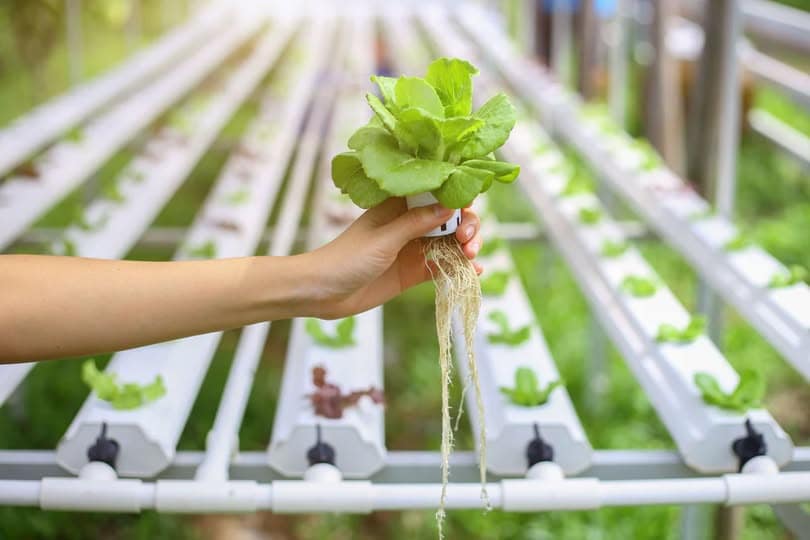
Innovative integrated systems are gaining traction to optimize limited land resources. Aquaponics and hydroponics enable efficient, soil-less cultivation of vegetables, particularly advantageous in urban and arid zones of Antigua and Barbuda. These closed-loop systems maximize output while conserving water—a critical consideration for island nations.
The most groundbreaking advancement is the incorporation of drone technology. Unmanned aerial vehicles provide farmers with precise, real-time data for crop monitoring, early detection of pests or diseases, and targeted application of inputs. This precision agriculture reduces waste, lowers costs, and enhances productivity on small-scale farms, making it a powerful tool for post-hurricane recovery and yield forecasting.
Despite promising innovations, barriers to widespread adoption persist. These include the need for comprehensive farmer training, accessible financing for technology acquisition, and supportive policy frameworks that incentivize sustainable practices. Effective collaboration between governments, research institutions, and farming communities is crucial for long-term success.
Ultimately, Caribbean agriculture is navigating a path toward greater sustainability and self-sufficiency. By harmonizing time-tested traditions with cutting-edge technologies, the region is building a resilient food system capable of withstanding environmental and economic pressures, ensuring food security for future generations.