The Caribbean aviation sector faces mounting pressure as airlines and industry leaders decry exorbitant taxation rates that threaten regional connectivity. Windward Islands Airways International NV (Winair) has launched cautious twice-weekly service between Trinidad and Sint Maarten, with CEO Hans van de Velde acknowledging the challenging economic landscape. ‘Operating an airline in this region is inherently expensive,’ van de Velde stated, revealing that approximately 50% of their introductory $200 one-way fare consists of government taxes.
This taxation crisis isn’t new. Since at least 2018, when CaribSKY alliance members first raised concerns, regional carriers have struggled with escalating fees. LIAT 1974 documented a startling 56% increase in taxes between 2009-2016 while base fares rose merely 3%. The consequences are stark: annual passenger numbers plummeted from one million to 750,000, with taxes identified as the primary deterrent.
The International Air Transport Association (IATA) has issued stern warnings, noting Caribbean destinations risk pricing themselves out of the global market. While global taxes average 15% of ticket prices, Caribbean routes endure 30-50% taxation—significantly higher than competing destinations like Cancun (23%). IATA’s Peter Cerdá emphasized that modern travelers prioritize total cost, making the Caribbean increasingly uncompetitive.
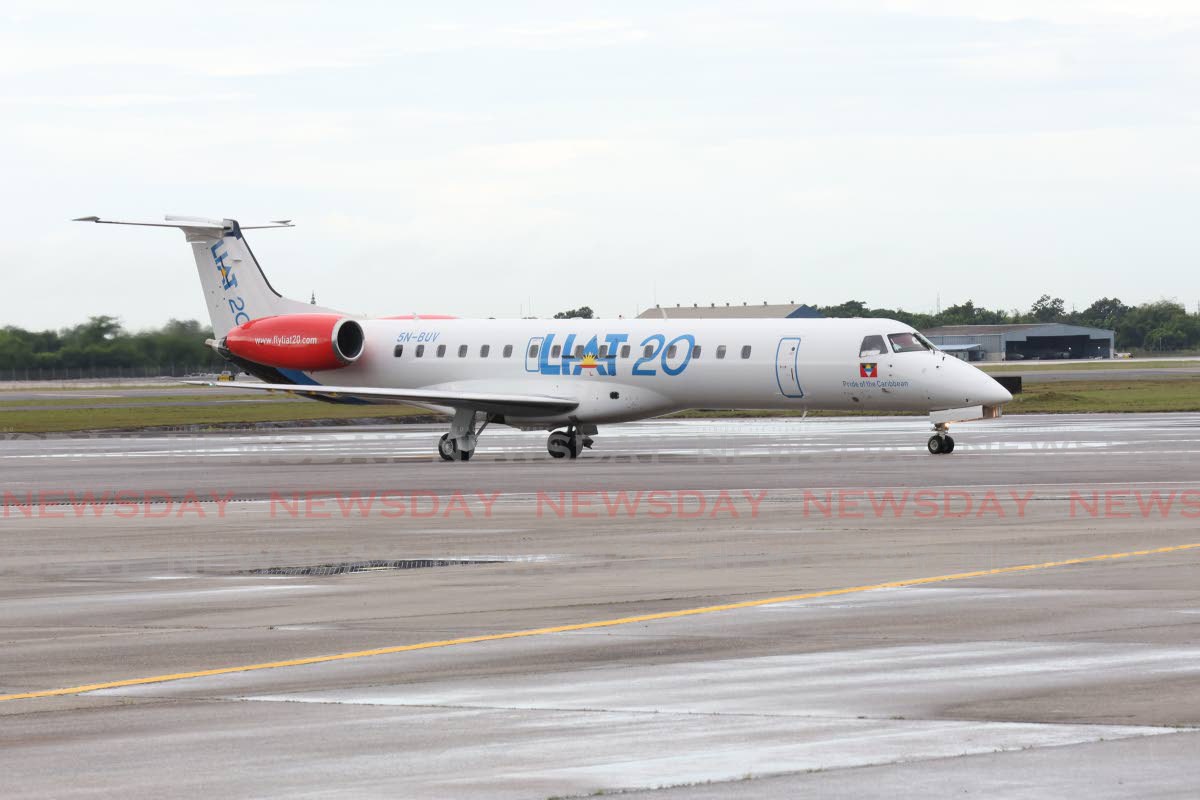
At the recent State of the Tourism Industry Conference in Barbados, the tax dilemma dominated discussions. Barbados Tourism Minister Lisa Cummins defended the fees as necessary for infrastructure funding, acknowledging the challenge of reducing taxes without compromising service quality. Meanwhile, LIAT Air CEO Hafsah Abdulsalam stressed the urgent need for efficiency improvements and tax reform to enable regional expansion plans, including future routes to South America and Africa.
A Caribbean Development Bank working paper from 2018 remains critically relevant, recommending reductions in both aviation taxes and airport charges to stimulate connectivity. The report highlighted that high costs particularly distort intra-regional travel markets, where demand proves highly price-sensitive. Without intervention, the Caribbean’s aviation ecosystem risks further contraction, potentially isolating islands and undermining tourism recovery efforts.