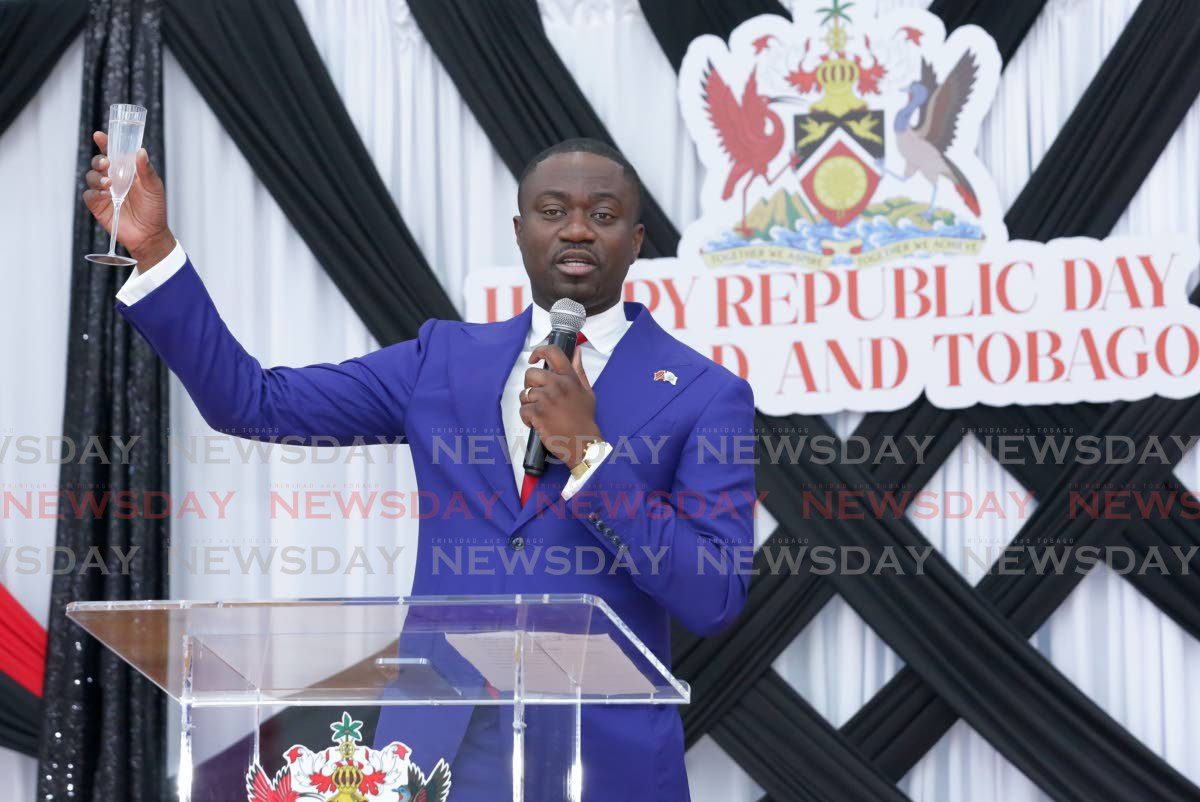
Recent parliamentary deliberations on amendments to the Tobago House of Assembly (THA) Act have sparked significant public discourse regarding governance quality and democratic legitimacy in Tobago. Prime Minister’s compelling arguments during the bill’s second reading emphasized the urgent necessity of these institutional reforms, positioning them as critical enhancements rather than mere political adjustments.
The legislative revisions address fundamental structural mismatches created by Tobago’s evolving administrative landscape. Since the 2021 expansion increased Assembly membership from 17 to 20 representatives, governance responsibilities have substantially grown while executive frameworks remained stagnant. This discrepancy has generated operational strain across service delivery systems and democratic accountability mechanisms.
Core amendments propose eliminating arbitrary limitations on Executive Council secretaries, enabling the Chief Secretary to allocate portfolios according to Tobago’s actual administrative requirements. With over thirty distinct responsibility areas enumerated in the act’s fifth schedule, specialized portfolio distribution emerges as essential for effective oversight and expertise development rather than bureaucratic expansion.
Equally significant is the quorum elevation from nine to twelve members for official Assembly proceedings. This adjustment transcends technicalities by establishing stronger democratic foundations—preventing minority decision-making that binds Tobago’s entire population while reinforcing institutional credibility through broader consensus requirements.
The reforms reflect Tobago’s evolving partnership within national development frameworks, evidenced through record budgetary allocations, economic initiatives supporting local industries, housing projects, and social infrastructure investments. Institutional modernization thus represents a logical progression toward meaningful self-governance, replacing outdated statutory constraints with capable, flexible structures.
Despite potential criticisms regarding administrative expansion, these amendments respond to demonstrated increases in representation scope and governance complexity. Leadership responsibility necessitates aligning institutional capabilities with operational mandates to prevent systemic inefficiencies and oversight deterioration.
These measured but impactful revisions signal profound respect for Tobago’s democratic mandate while fostering interregional unity through strengthened partnerships and enhanced governance efficacy.