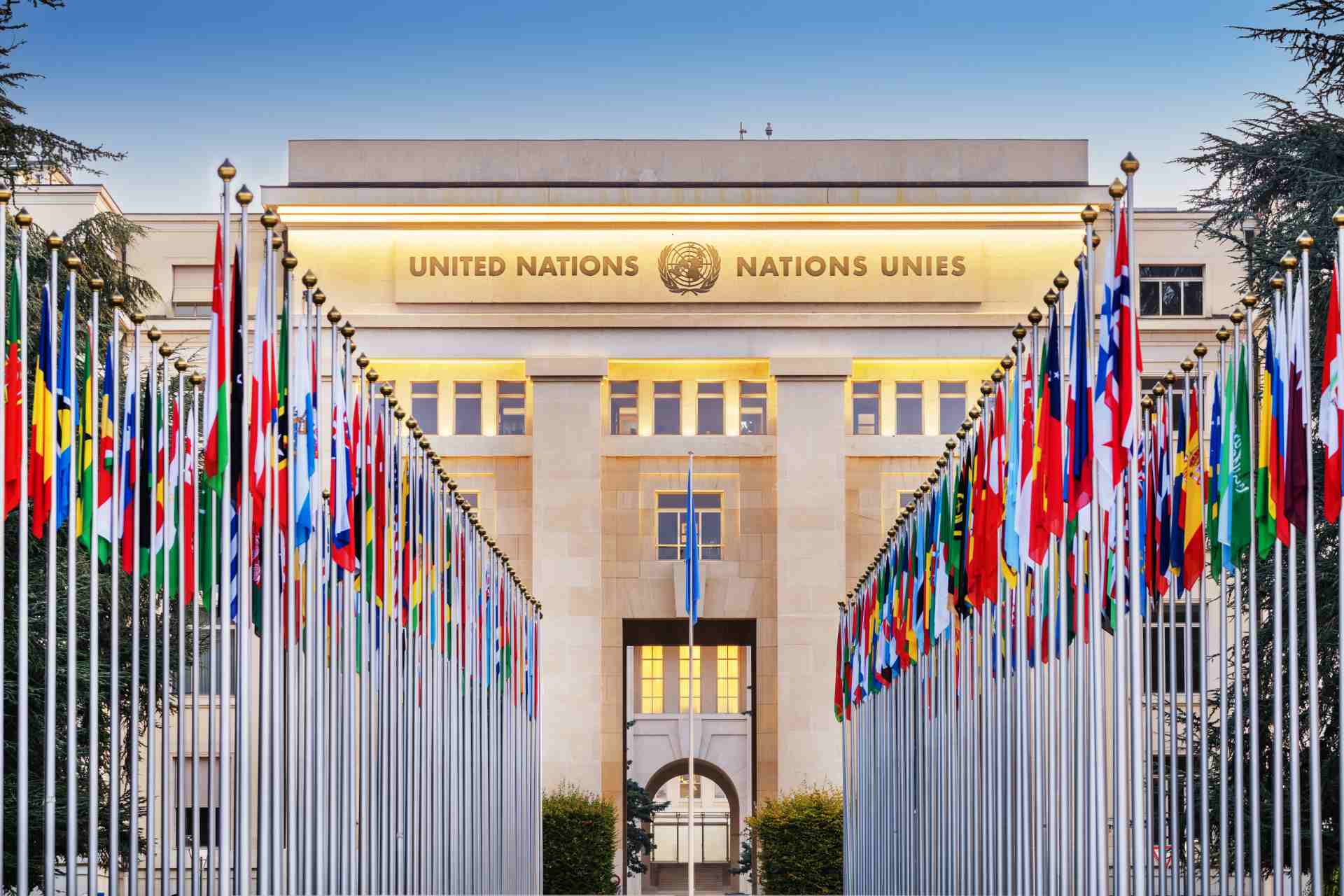
The United States has officially terminated its membership with the World Health Organization (WHO), severing ties with one of the UN agency’s most significant financial contributors. This decision, initiated through an executive order signed by President Donald Trump one year ago, culminates a prolonged dispute regarding the organization’s pandemic management and perceived political biases.
The U.S. Department of Health and Human Services justified the withdrawal by citing the WHO’s alleged mishandling of the COVID-19 crisis, insufficient reform progress, and undue influence from member nations. The organization has consistently denied these allegations, with Director-General Tedros Adhanom Ghebreyesus characterizing the departure as detrimental to both American global health leadership and worldwide public health initiatives.
The financial impact has been immediate and substantial. Washington has withheld its 2024-2025 contributions totaling approximately $260 million, triggering significant workforce reductions within the organization. Although WHO legal experts contend the U.S. remains obligated to settle outstanding dues, American officials have explicitly refused payment.
Operational disengagement is virtually complete. All U.S. personnel and contractors have been recalled from WHO headquarters in Geneva and field offices worldwide. Hundreds of collaborative engagements have been suspended indefinitely. In a joint statement, Health Secretary Robert F Kennedy and Secretary of State Marco Rubio accused the WHO of having ‘abandoned its core mission and acted repeatedly against the interests of the United States,’ notably referencing the organization’s failure to return the American flag displayed at its Geneva headquarters.
Future U.S. global health participation will prioritize bilateral agreements for disease surveillance and pathogen sharing, though officials could not identify specific partner countries when questioned. Regarding ongoing initiatives against polio and HIV, representatives indicated partnerships would transition to non-governmental and faith-based organizations, though no concrete arrangements have been disclosed.
The WHO has placed the U.S. withdrawal on the agenda for its February 2-7 governing board meeting. The secretariat confirmed it will execute decisions based on governing body directives.
This development occurs against the backdrop of critical assessments of pandemic responses in numerous developed nations. Multiple studies have documented how delayed interventions exacerbated viral transmission. Former U.S. public health official Drew Altman attributed America’s elevated mortality rates to inconsistent adherence to WHO guidelines regarding masking and social distancing, exacerbated by politicized COVID-19 policies across partisan lines.
Research published in the UN National Library of Medicine further criticized the Trump administration’s ‘slow and mismanaged federal response,’ highlighting systemic failures in leadership and coordination during the global health emergency.