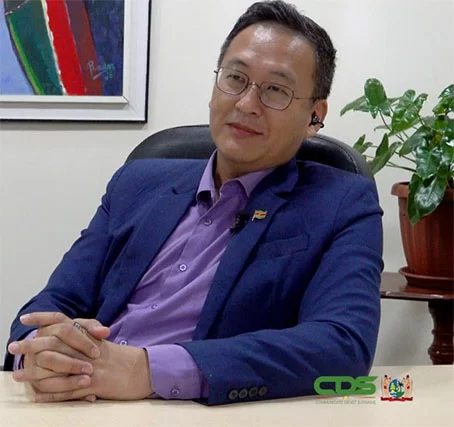
The Ministry of Public Works and Spatial Planning (OWRO) in Suriname is grappling with the complex implementation of a court judgment mandating back-pay compensation for 52 individuals who performed labor without formal employment contracts. Minister Stephen Tsang has confirmed the ministry’s commitment to executing the December court ruling while emphasizing the necessity of proper administrative and legal procedures.
Minister Tsang acknowledged the fundamental principle that individuals who have performed work deserve compensation, yet highlighted the constitutional challenge of processing payments without established bureaucratic frameworks. ‘The court ruling creates a payment obligation, but we must determine how to execute this in a fiscally responsible manner,’ Tsang stated through Suriname’s Communication Service.
The ministry’s internal investigation revealed significant irregularities within OWRO’s previous operations, including the unauthorized hiring of personnel without official appointment letters or decrees. Legal experts within the ministry are currently examining compliant execution methods, with potential further judicial consultation if required.
Tsang suggested that affected individuals might have been misled into believing they would receive formal employment contracts. The minister indicated that the state may seek to recover compensation costs from those responsible for violating hiring regulations.
Clarifying the employment status, Tsang emphasized that the 52 individuals were never formally employed and therefore cannot be considered wrongfully terminated. The minister also pointed to more pressing cases within OWRO, including approximately 150 properly documented workers from 2020 who were subsequently dismissed and have ongoing litigation.
‘My priority must be resolving those cases first,’ Tsang declared regarding the documented workers. Concerning the court-mandated payments, he affirmed: ‘If they performed the work and there is a court judgment, they will be paid. But this must occur through legally and fiscally appropriate channels.’