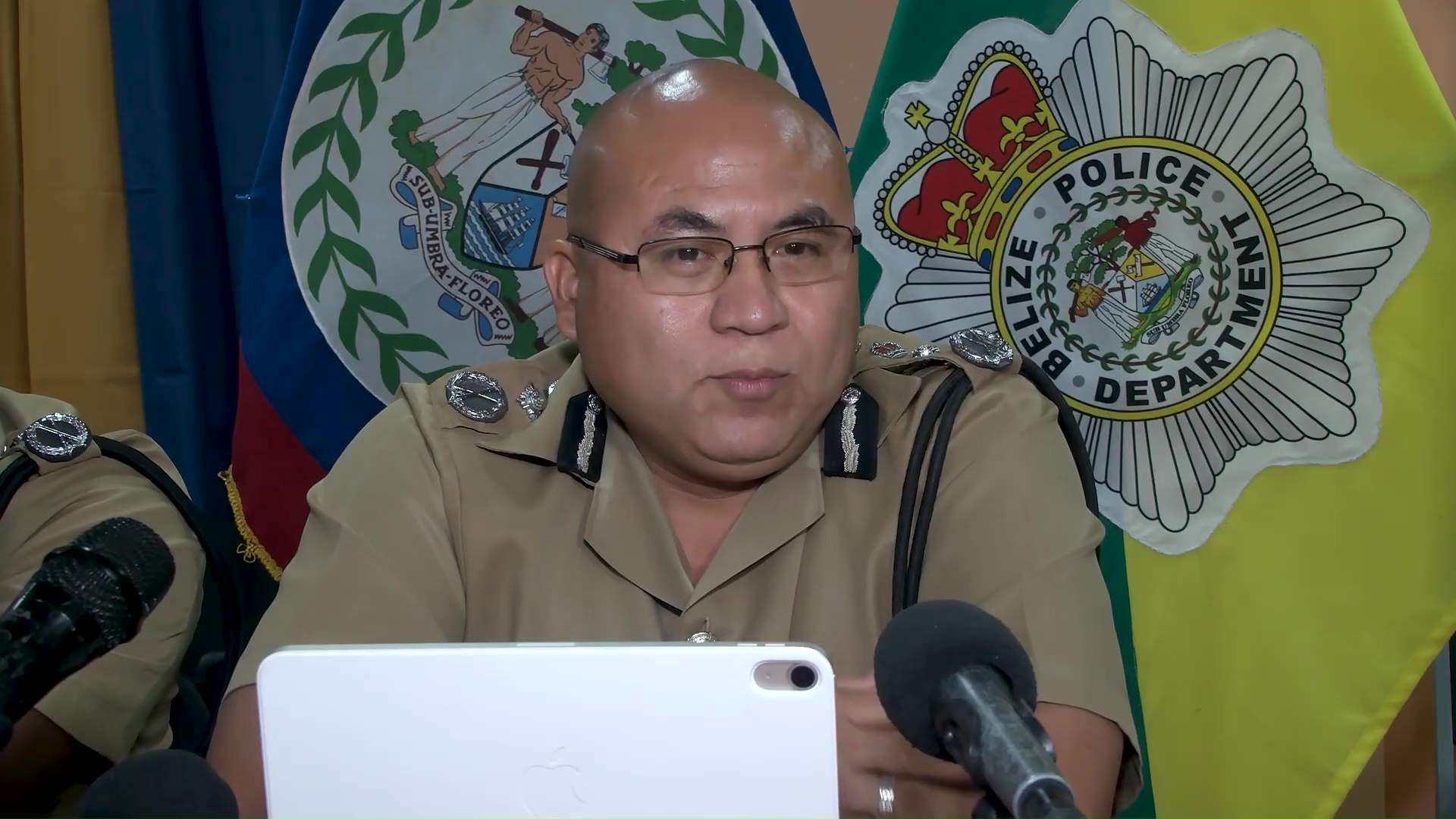
In a significant legal development, Belize’s Police Commissioner Dr. Richard Rosado has been formally named as a defendant in a constitutional lawsuit filed against the Government of Belize. The substantial 74-page claim, initially submitted in September by attorneys Arthur Saldivar, Michelle Trapp, and Emmertice Anderson, represents social media commentator Joseph Budna, who remains detained in Guatemala following what he describes as an unlawful abduction from Belizean territory.
The litigation presents serious allegations against high-ranking police officials, including Commissioner Rosado, with attorneys asserting potential obstruction of justice during the investigation’s critical early phases. Central to the legal challenge are discrepancies regarding surveillance footage that Commissioner Rosado reportedly referenced, yet allegedly cannot produce for verification.
Attorney Saldivar maintains that including the commissioner was necessary, citing fundamental questions about evidence handling and investigative transparency. The case highlights concerning delays in transferring investigation files to the Director of Public Prosecutions (DPP), who reportedly received inadequate documentation months after the incident occurred.
Critical evidence includes four separate surveillance cameras under government control—Banquita’s House of Culture, court security footage, social security cameras, and police station recordings—all of which allegedly contain relevant footage that has not been properly accounted for in official investigations.
With the constitutional challenge now formally encompassing the nation’s top law enforcement official, unresolved questions regarding missing evidence, delayed judicial reviews, and potential political interference continue to mount. Saldivar characterizes the situation as ‘suspect’ and suggestive of systematic concealment, noting that the matter should have been referred to the DPP immediately following the August 23rd incident.
The case represents growing scrutiny of Belize’s judicial processes and could have profound implications for police accountability and governmental transparency in the Central American nation.