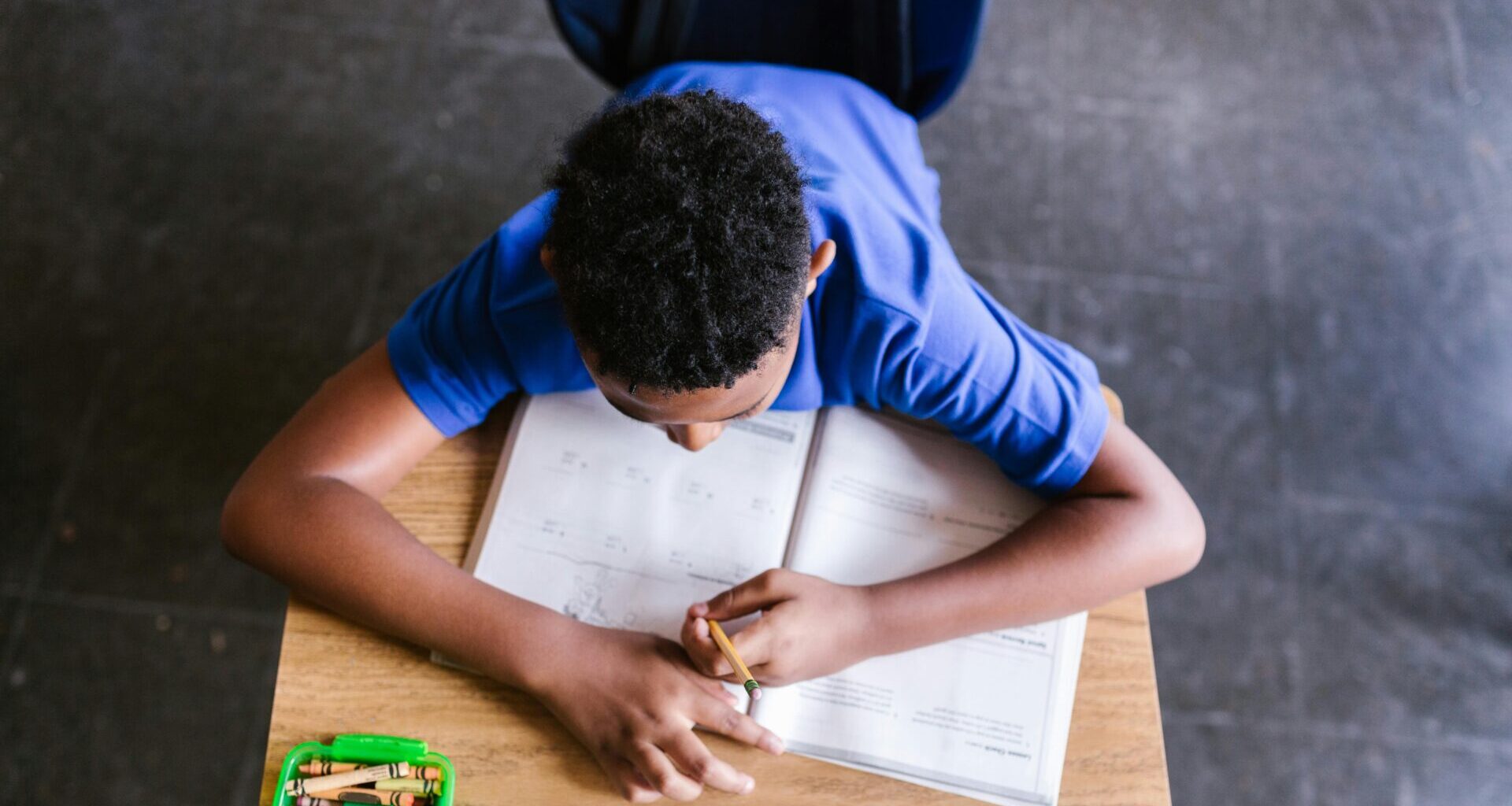
On International Day of Education 2026, UNESCO’s Caribbean Directorate reveals a concerning educational gender gap where young males increasingly disengage from academic systems across the region. While Caribbean youth demonstrate remarkable potential as innovators and social change agents, systemic failures threaten to leave boys behind with profound societal consequences.
Statistical evidence indicates male students constitute the majority of out-of-school youth in numerous Caribbean nations, particularly at upper secondary levels. This educational disengagement creates cascading effects—reduced employment prospects, limited life opportunities, and heightened vulnerability to violence and high-risk behaviors. UNESCO’s research demonstrates that incomplete secondary education correlates strongly with unemployment, social marginalization, and increased violence involvement among young men.
The organization emphasizes that traditional educational approaches frequently overlook boys’ specific needs. Meaningful youth engagement through policy development, curriculum design, and program implementation has proven effective in reversing this trend. Initiatives like Youth Forums, SDG 4 Youth and Student Networks, and community consultations demonstrate that when boys participate in educational co-creation, their academic engagement and success rates improve significantly.
Successful interventions combine academic curricula with community-based activities, mentorship programs, and digital skills training. These approaches help students connect education to practical applications, maintaining motivation through relevant learning experiences. UNESCO highlights the critical importance of family involvement and school-based guidance systems in supporting male educational persistence.
Structural barriers including poverty, restrictive gender norms, limited access to quality institutions, and unclear career pathways contribute substantially to dropout rates. UNESCO advocates for equitable funding, enhanced social support systems, and targeted programs for at-risk youth alongside policy reforms.
Education serves as a powerful protective factor—engaged male students not only achieve higher graduation rates but demonstrate reduced vulnerability to violence and social risks. Academic success provides young men with skills, confidence, and opportunities that strengthen both family structures and broader community development.
UNESCO Caribbean Director Eric Falt concludes that inclusive, responsive educational systems can transform disengagement into participation and potential into achievement. On this International Day of Education, the call emphasizes ensuring no young person—especially the most vulnerable boys—gets left behind in the Caribbean’s educational evolution.