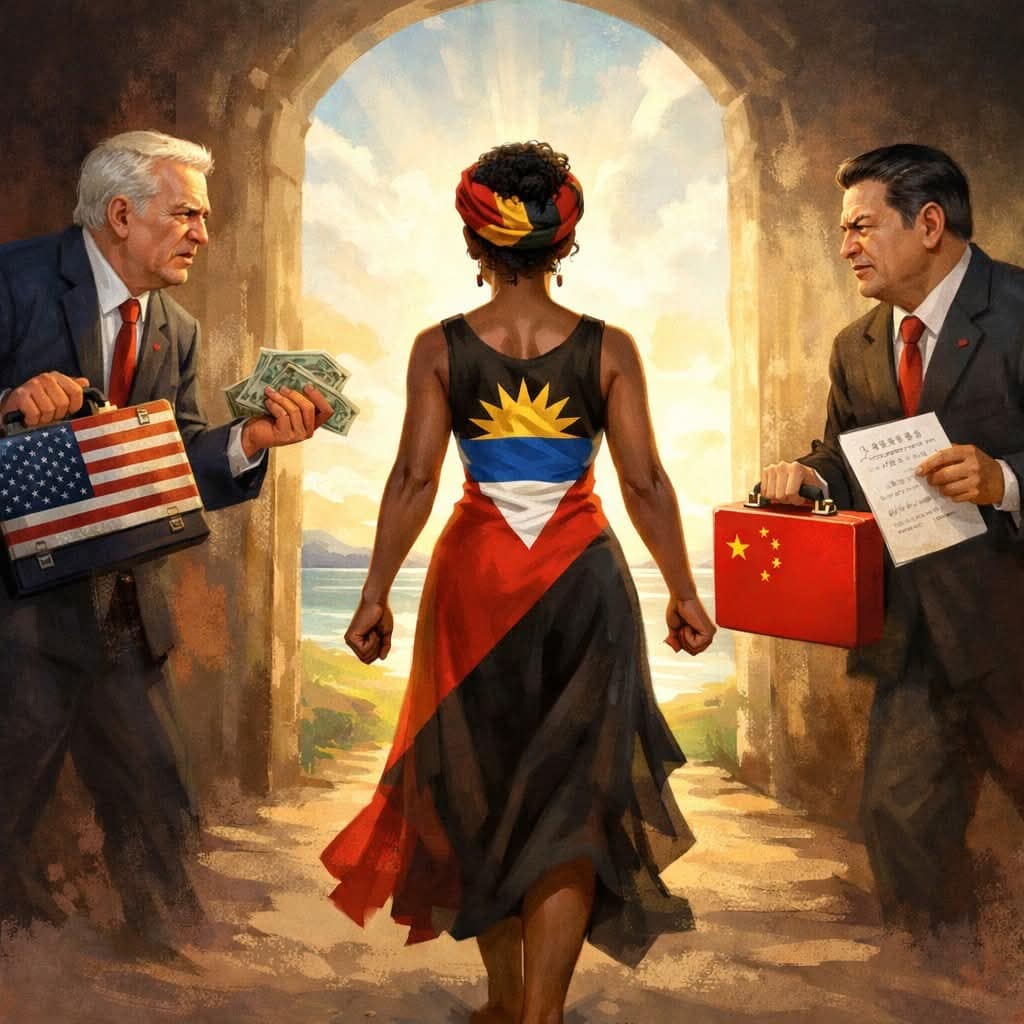
In a provocative examination of national sovereignty, Antigua and Barbuda confronts fundamental questions about its independence and international relationships. The Caribbean nation, which gained independence from Britain, now grapples with balancing foreign investments against genuine self-determination.
The discourse draws powerful parallels with Barbados’ historic stance articulated by former Prime Minister Errol Barrow, who famously declared his nation as ‘friends to all, satellites of none’ during his 1967 United Nations address. This philosophy established Barbados as a respected sovereign entity that maintains international friendships without compromising its autonomy.
Current concerns center on whether Antigua and Barbuda has sacrificed this principle for economic convenience. Critics argue the nation has entered numerous compromising international arrangements that potentially undermine its sovereignty. The analogy of a ‘love triangle’ between China and the United States illustrates the delicate diplomatic balancing act the country must perform.
The article questions whether the nation’s leadership prioritizes transparency with citizens or maintains excessive confidentiality with foreign entities. Specific concerns include forced acceptance of deportees against national interests and the apparent trade of sovereignty for visa-free travel privileges.
There is a growing call for leadership that embodies fierce patriotism, prioritizes national interests, and establishes clear boundaries in international negotiations. The current perception of Antigua and Barbuda as economically desperate in international circles raises urgent questions about the nation’s self-respect and long-term strategic direction.