Suriname’s dairy industry is confronting an unprecedented crisis as official data reveals a catastrophic 95% decline in milk production compared to five years ago. Current figures show only 126 active dairy farmers remain, collectively producing just 3,000-4,000 liters daily—a dramatic collapse from the 1,200 farmers who previously generated 6-7 million liters annually.
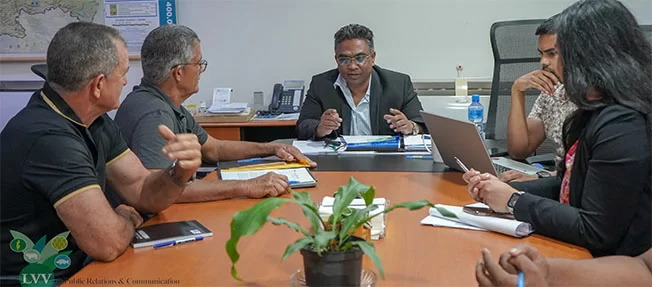
The alarming statistics emerged during emergency consultations between Agriculture Minister Mike Noersalim and representatives from both dairy farmers and the Milk Processing Center. Industry delegates presented a comprehensive list of structural challenges threatening the very survival of Suriname’s dairy sector.
Edmond Blufpand, spokesperson for dairy farmers, highlighted the central issue of unsustainable pricing. The current government procurement rate of SRD 25 per liter has become economically unviable due to soaring costs of animal feed and fuel. Historical requests for price adjustments have gone unaddressed, with previous agreements made without substantive consultation.
Additional critical concerns include:
– Land redistribution projects encroaching on dairy farming territories
– Unfulfilled commitments regarding production support including breeding cattle imports and artificial insemination programs
– Outdated infrastructure featuring obsolete aluminum milk cans and delayed quality testing
– Insufficient cold chain transportation and unclear logistics management
– Critical shortage of refrigeration vehicles for proper milk preservation
Minister Noersalim acknowledged the severity of the situation, characterizing the agricultural sector as being in a “critical phase.” His proposed solution involves establishing a tripartite consultation and implementation body comprising LVV Ministry representatives, dairy farmers, and processing stakeholders.
This collaborative entity will develop an action matrix with time-bound initiatives focused on sustainable development. Immediate steps include cataloging active operations and their production capacities, while exploring financing options through the NOFA fund.
The Ministry is simultaneously revitalizing its fourteen core responsibilities, with particular emphasis on strengthening the Livestock Directorate. Minister Noersalim confirmed concrete agreements with other relevant ministries and outlined plans to reactivate previously dismantled systems.
“We’re examining every avenue to boost production in the near future,” Noersalim stated. “Beyond imports, we’re revitalizing the Artificial Insemination division with new equipment and training programs. The State Farm is also being reinvigorated as part of this comprehensive approach.”
Additional proposals under consideration include rapid testing equipment acquisition, replacement of outdated milk containers, establishment of collection centers, and potential breeding cattle imports from Brazil with ministry facilitation. The Milk Processing Center’s fundamental responsibility to purchase, process, and ensure distribution of raw milk was also emphasized during the talks.