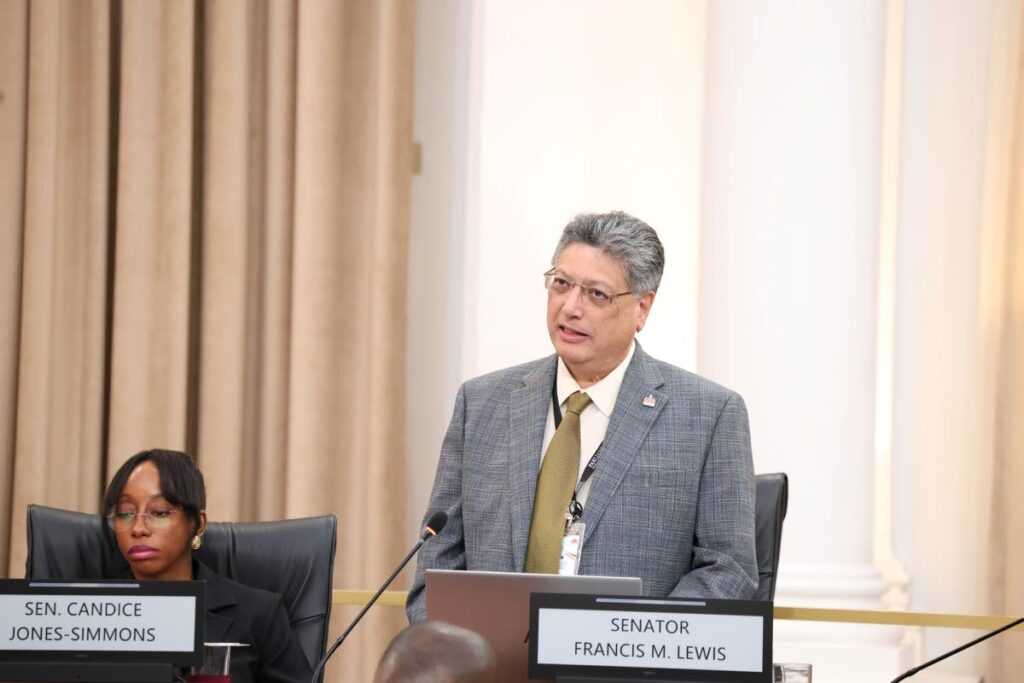
The Trinidad and Tobago Senate remains gridlocked after three days of intense deliberation on the Law Reform (Zones of Special Operations) (Special Security and Community Development Measures) Bill, 2026. The proposed legislation, already approved by the House of Representatives on January 16, has sparked contentious debate among government, opposition, and independent senators, revealing deep ideological divisions regarding national security approaches.
The bill would empower Prime Minister Kamla Persad-Bissessar, as National Security Council chair, to designate specific high-crime areas as Zones of Special Operations (ZOSOs) for up to 180 days, in consultation with police and military leadership. However, the legislation requires a three-fifths majority (19 votes) for passage, presenting a significant challenge for the government which holds only 15 of the Senate’s 30 seats.
Debate turned particularly heated when Government Senator David Nakhid accused the opposition PNM party of racially targeting black communities, claiming they view black citizens merely as “a vote bank.” The comments prompted temporary Opposition Senator Taharqa Obika to formally complain to Senate President Wade Mark, resulting in a warning issued to Nakhid.
The absence of Attorney General John Jeremie during critical debate sessions raised questions, though Government Business Leader Barry Padarath clarified Jeremie was representing Trinidad and Tobago at an official meeting in Barbados. Daniel Rasheeed was temporarily appointed to fill Jeremie’s Senate position during his absence.
Independent Senators emerged as pivotal voices in the debate, with Candice Jones-Simmons emphasizing that “scrutiny must never be sacrificed for expediency” while Anthony Vieira, SC, defended the independent senators’ role to “ask uncomfortable questions” when legislation expands state powers. Meanwhile, Labour Minister Leroy Baptiste appealed for collaborative action, arguing that murder rates among young black men have become normalized and require immediate intervention.
Prime Minister Persad-Bissessar previously criticized independent senators and opponents of the bill, accusing them of defending “violent criminals” and displaying “fake sense of humanity.” Opposition Leader Pennelope Beckles condemned these remarks as “divisive and reckless tirade” intended to bully dissenters into silence.
The Senate will resume consideration of the controversial bill on January 27, with the nation awaiting whether compromises can be reached on legislation that balances security concerns with constitutional protections and community rights.