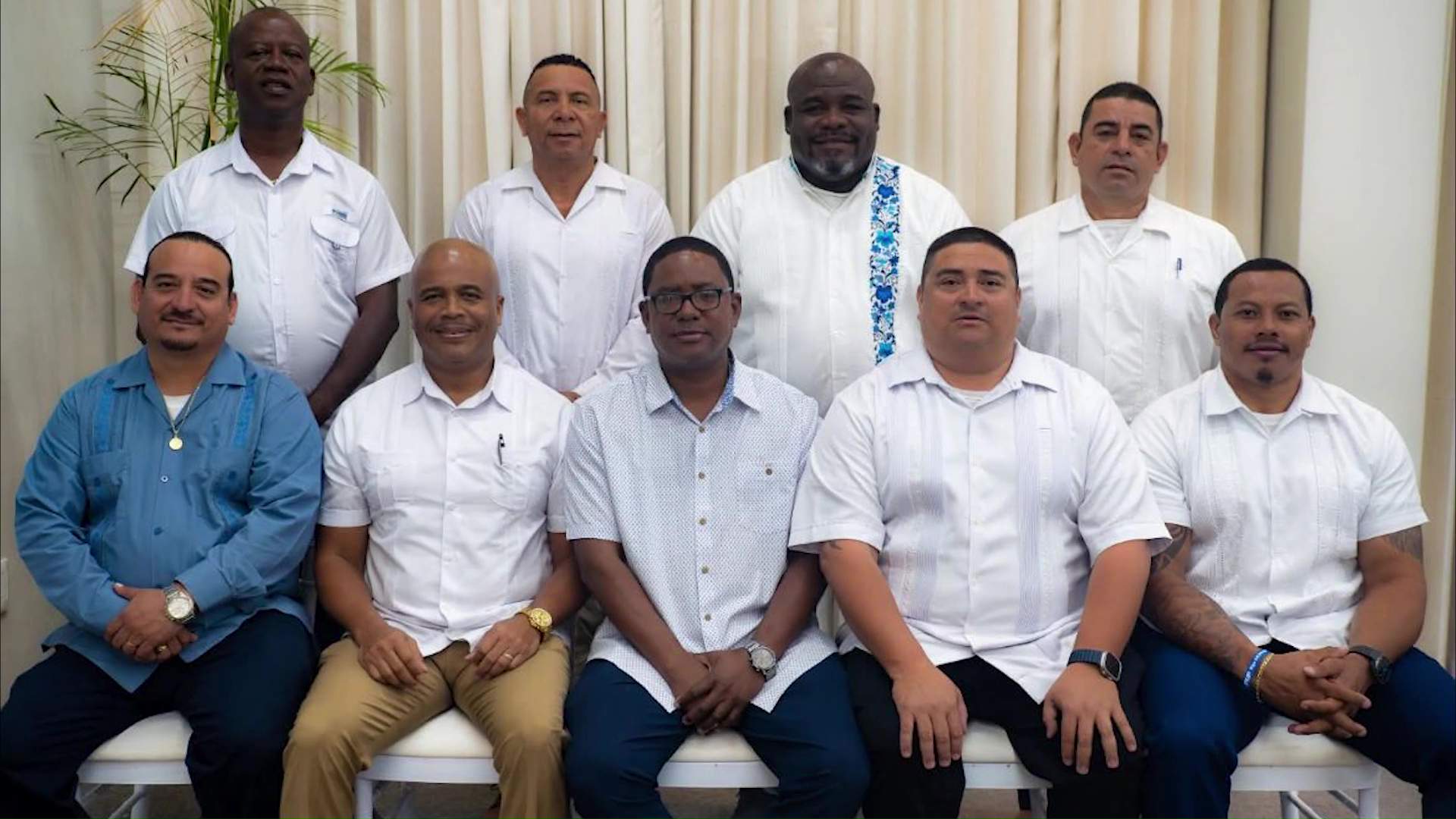
In a revealing examination of municipal governance in Belize, a significant disparity in compensation and post-service benefits for mayors and councilors has come to light. The Belize Mayors Association is currently advocating for systemic reforms to address what they describe as inadequate remuneration structures and the complete absence of retirement security for long-serving public officials.
While public perception often portrays municipal leaders as well-compensated figures, investigative reporting reveals stark contrasts in stipends across municipalities. Belize City councilors receive approximately $2,800 monthly—roughly half the compensation of their counterparts in the smaller San Pedro municipality. This discrepancy occurs despite Belize City’s significantly larger population and more complex budgetary responsibilities.
Belize City Mayor Bernard Wagner exemplifies the financial sacrifice many leaders make. Prior to public service, Wagner earned a six-figure salary as a senior banking executive. His current compensation package totals $6,100 monthly after taxes, including a base salary of $5,500 supplemented by allowances for transportation, communications, and expenses. For professionals qualified to manage multimillion-dollar public budgets, this represents a substantial financial reduction.
The situation becomes particularly acute regarding post-service benefits. San Ignacio and Santa Elena Mayor Earl Trapp, with twenty-three years of continuous service across various municipal positions, faces the prospect of departing office without pension benefits or any form of financial security. This reality affects all municipal leaders equally, regardless of tenure or performance.
Minister of Local Government Oscar Requena acknowledges the compensation review requests, emphasizing that any adjustments must prioritize municipal service delivery to residents. “We must ensure that residents’ services are met first and foremost before considering any increase,” Requena stated, noting that compensation varies significantly between municipalities based on available finances.
The Ministry maintains ultimate authority over salary determinations, requiring thorough discussion and analysis before implementing changes. This ongoing dialogue between municipal leaders and national government officials highlights the complex balance between fair compensation for public service and fiscal responsibility to taxpayers.