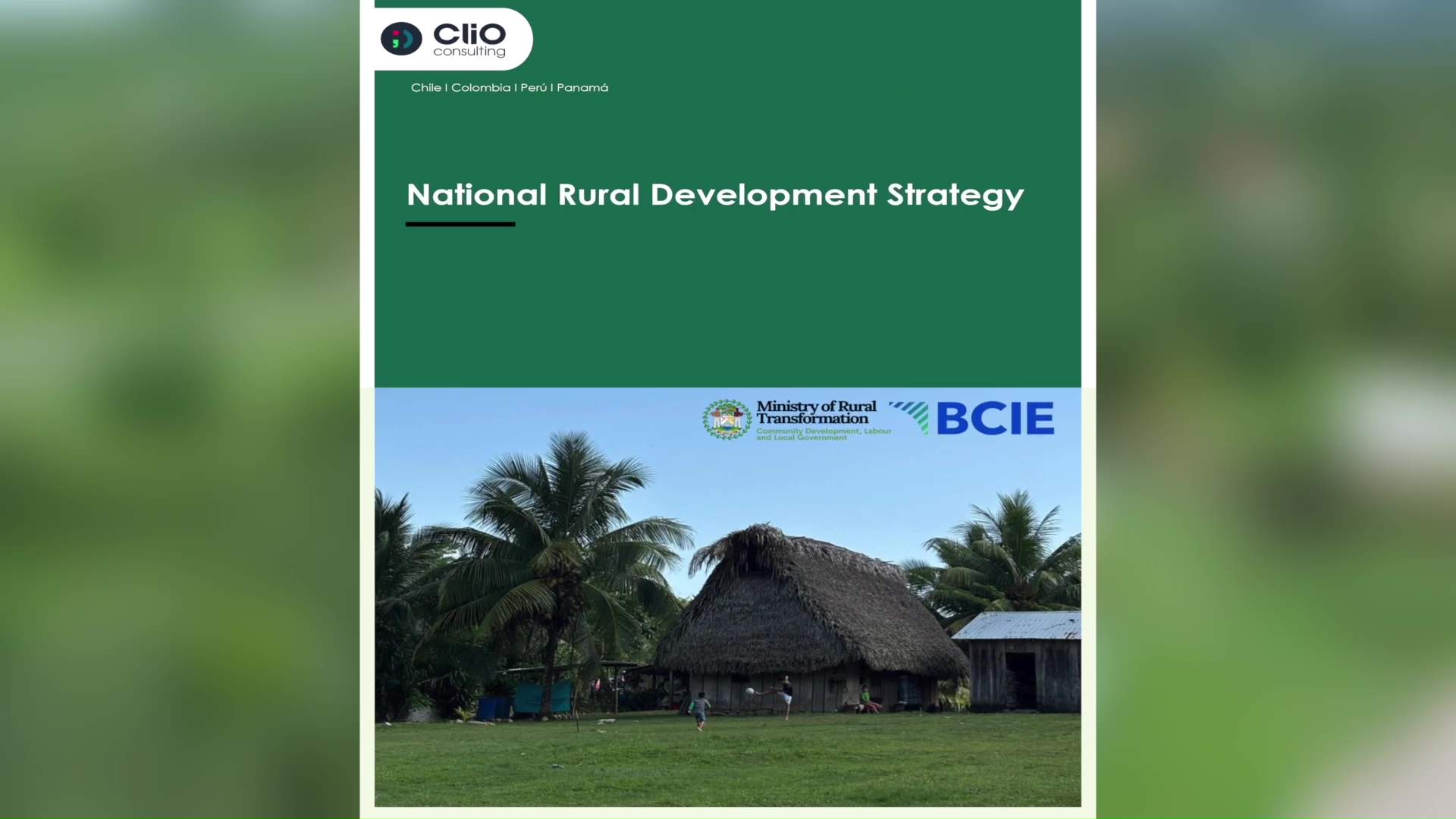
In a landmark announcement on January 21, 2026, the Belizean government unveiled a comprehensive National Rural Development Strategy designed to address decades of systemic neglect in the nation’s villages and countryside. Prime Minister John Briceño declared that Belize’s true wealth originates not in urban centers but within its rural communities, which drive the nation’s agriculture and tourism sectors—accounting for approximately 42-60% of GDP.
The strategic framework, developed by the Ministry of Rural Transformation in collaboration with the Central American Bank for Economic Integration and Clio Consulting, represents a five-year commitment to transformative change. The initiative targets four critical development challenges: territorial governance and financing leverage, inclusive and competitive rural economics, skilled human capital development, and resilient infrastructure improvements.
Chief Executive Officer Valentino Shal emphasized that the strategy emerged from extensive research documenting persistent deprivation in rural areas despite their economic contributions. The blueprint outlines 14 specific action areas and 32 concrete initiatives aimed at creating sustainable improvements in living standards.
Minister of Rural Transformation Oscar Requena highlighted the program’s focus on restoring opportunities for youth, women, farmers, and entrepreneurs—groups he identified as vital to the nation’s future. The government has already secured increased budgetary allocations through the Ministry of Finance and is actively engaging international development partners to supplement funding requirements.
While officials acknowledge the ambitious scope of the undertaking, they emphasize that success will depend on strengthened administrative structures and sustained financial support from both domestic and international sources.